What inspection variables should be evaluated?
Record polariser angle and exposure changes. Check whether removing glare also removes useful inspection features.
What lighting geometry fits this inspection task?
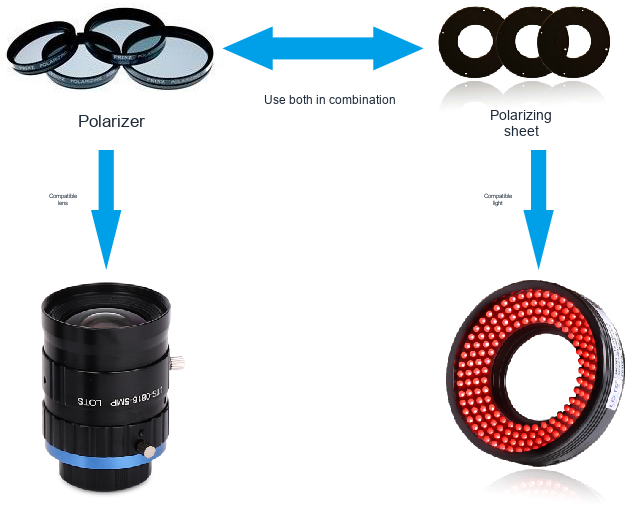
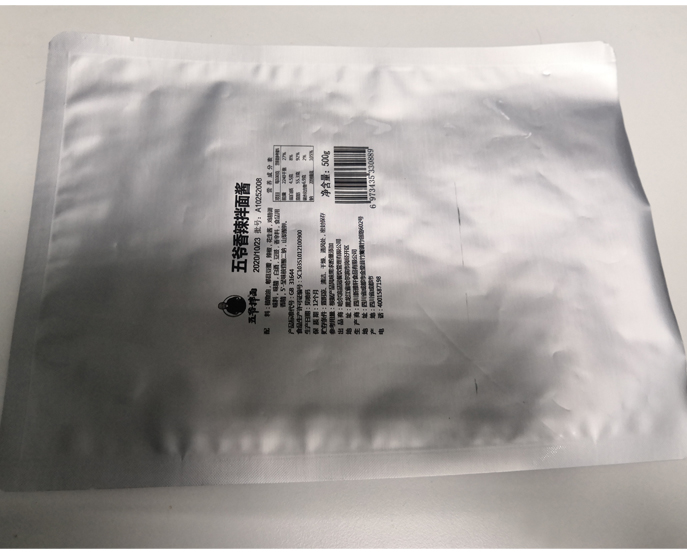
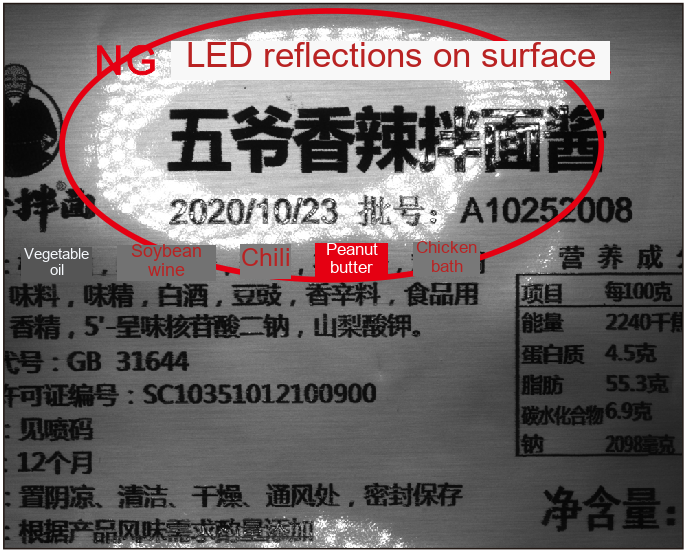
Cross polarisation can reduce some specular reflections, but materials preserve polarisation differently. Adjust the light-side and lens-side elements together and test curved surfaces, metals and multilayer films separately.
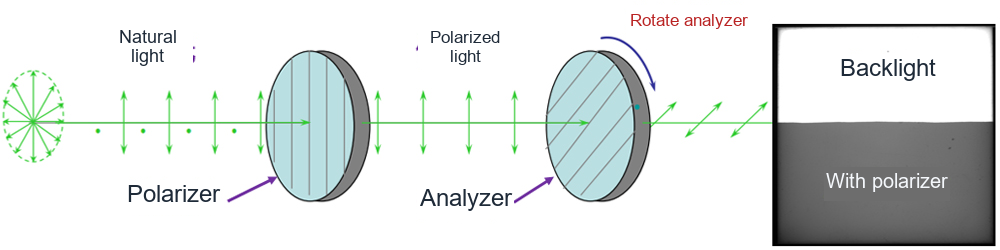
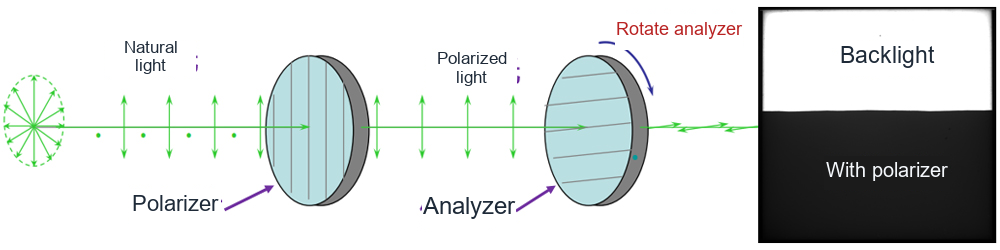
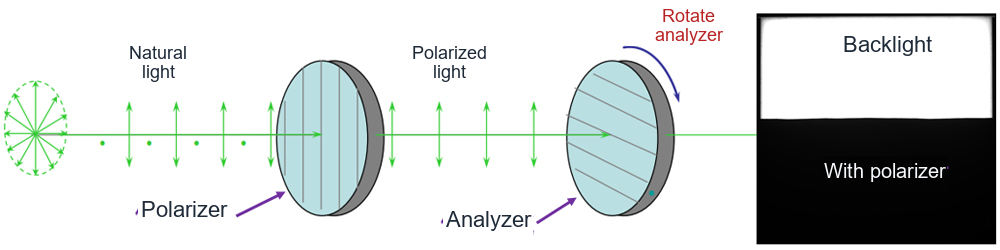
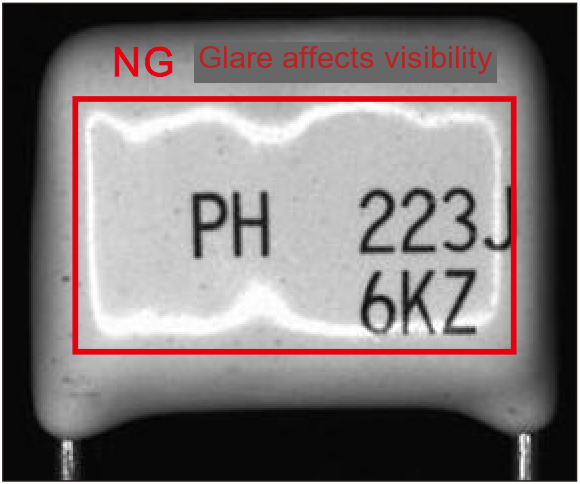
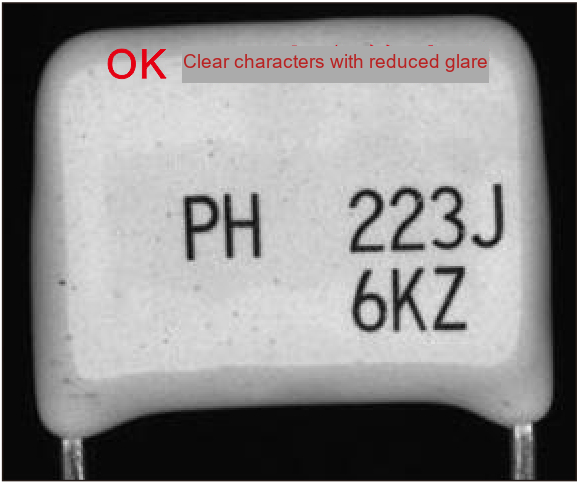
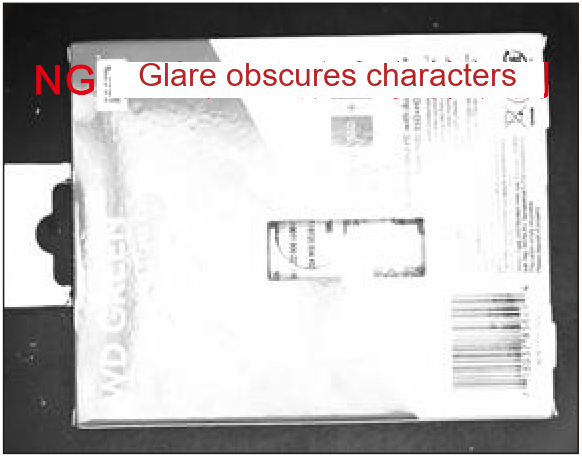
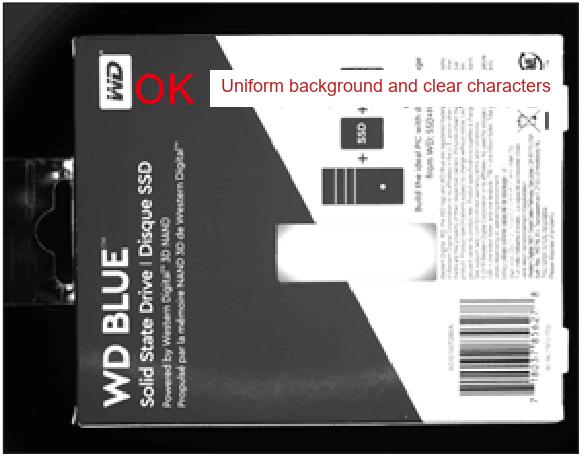
Rotate the lens filter while judging target contrast, rather than seeking the darkest image. Polarisation reduces available light, so recheck motion blur when changing exposure. Confirm that useful texture and lettering have not disappeared along with the glare.
Related product family?
LXV-OPTICS
Complete your lighting setup with matching accessories.
Before choosing a configuration?
For selection, specify the field of view, smallest target feature, height variation, cycle time and installation space. Use the specific product page and drawing to verify electrical ratings, dimensions and compatibility.
Aligning a polariser pair?
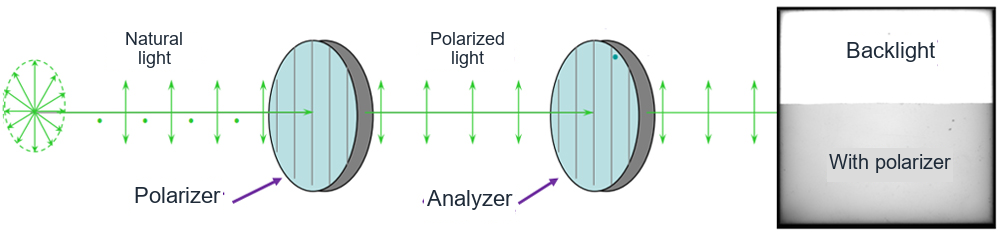
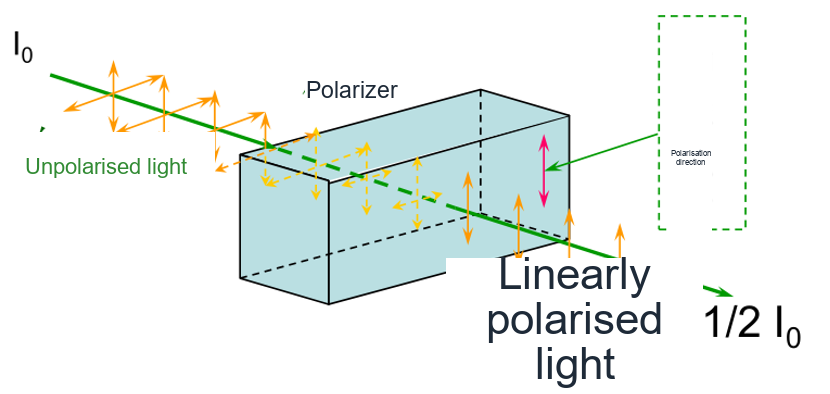
Place one polarising element in the illumination path and another before the lens when the geometry supports it. Rotate the analyser while viewing the target, rather than relying only on the orientation marks.
Compare glare reduction with the remaining signal and feature contrast. Test curved surfaces and stressed transparent material separately because polarisation can reveal other patterns. Record the orientation and exposure used in the accepted setup.
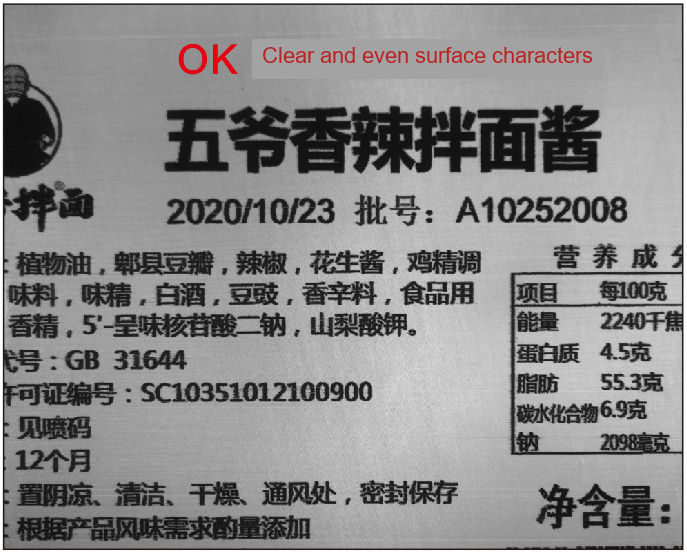
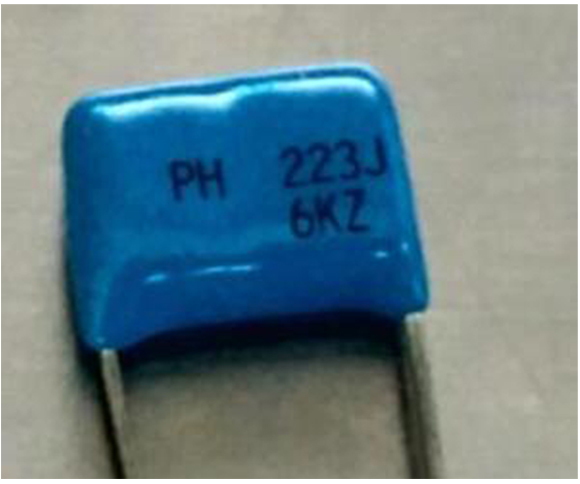
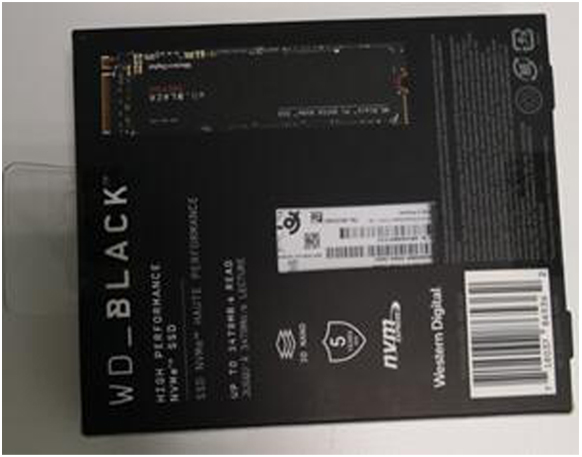
What do the optical setup and sample images show?