What inspection variables should be evaluated?
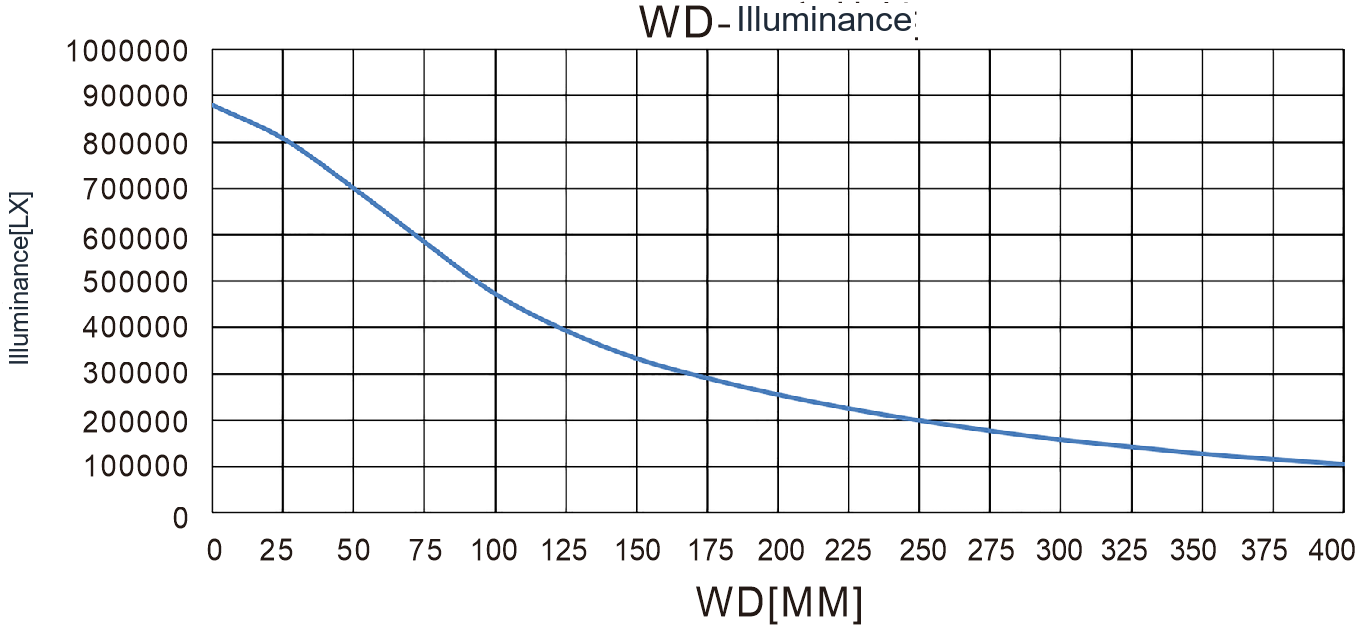
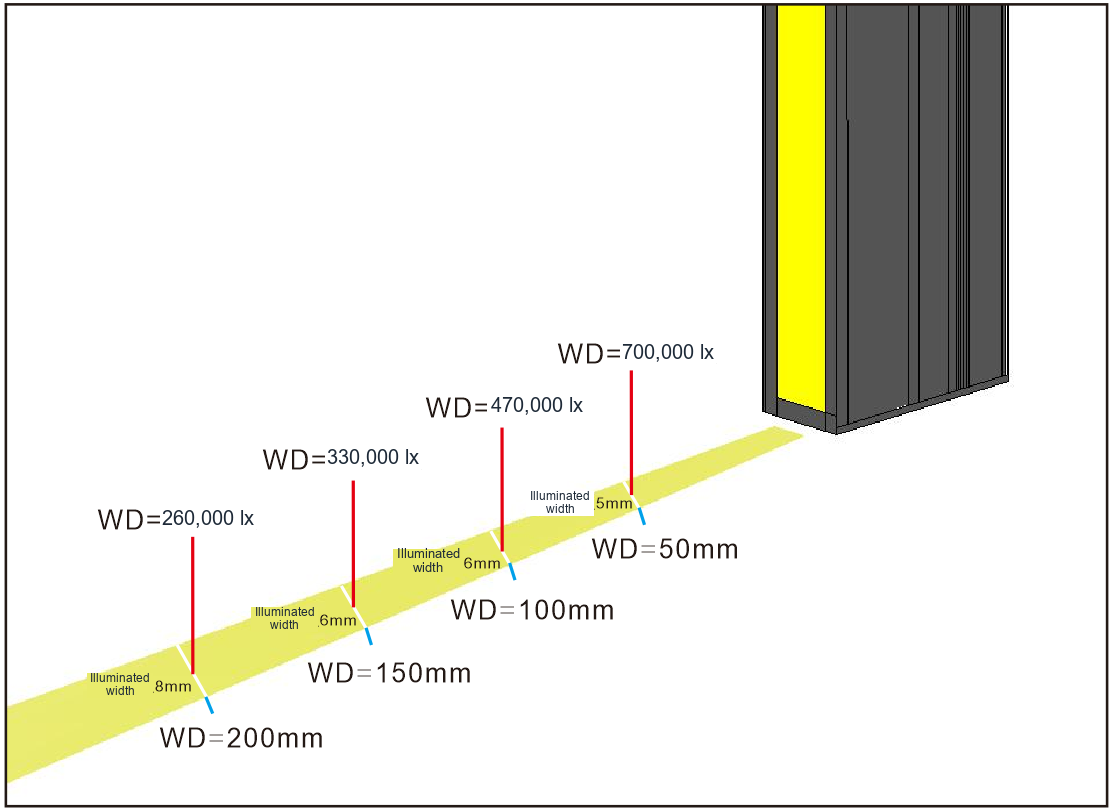
Working distance changes both band width and sample brightness. Recheck thermal conditions and exposure margin after adjustment.
What lighting geometry fits this inspection task?
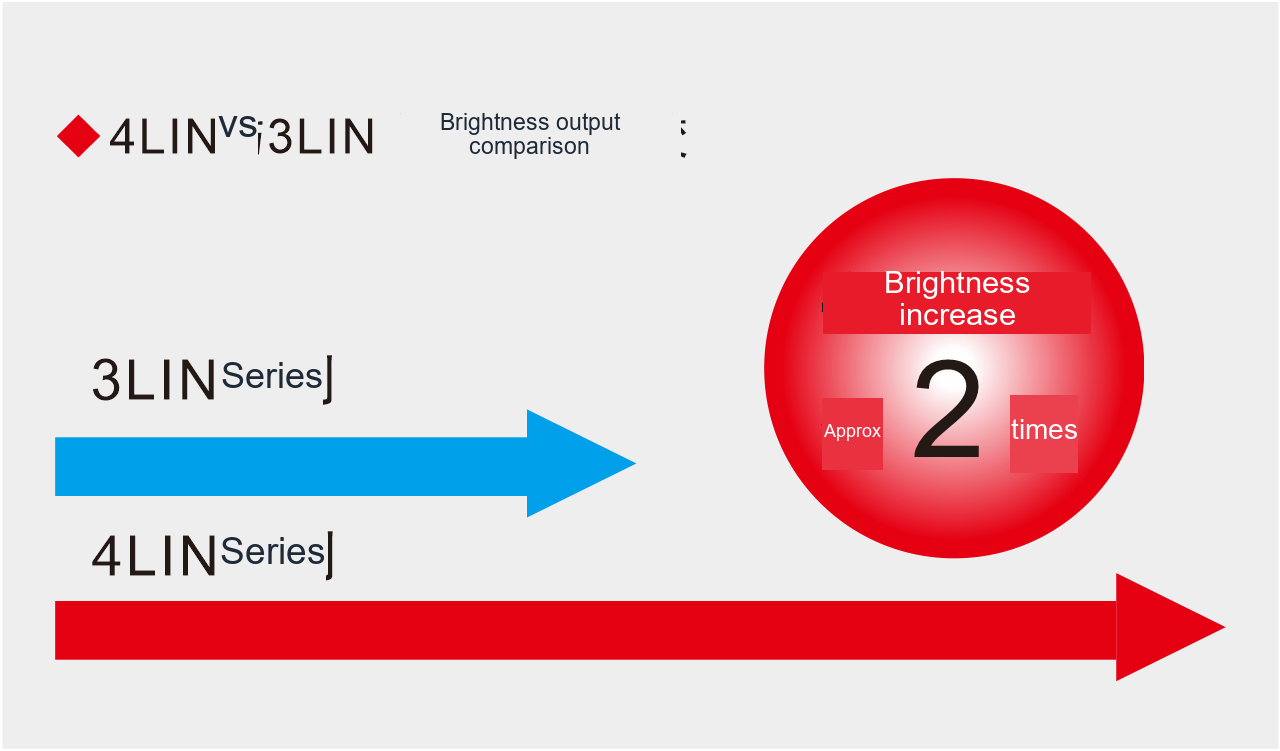
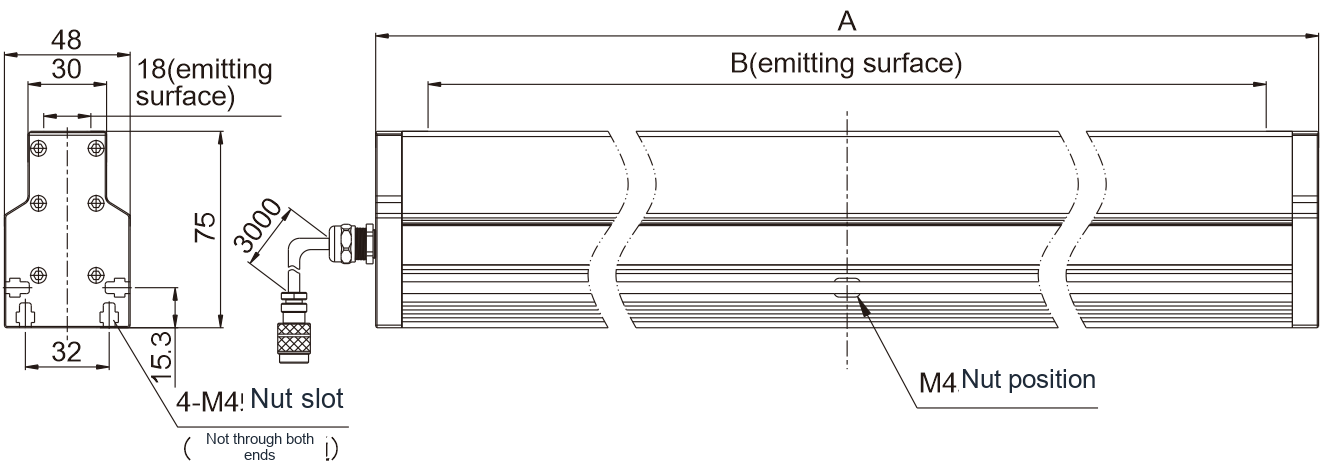
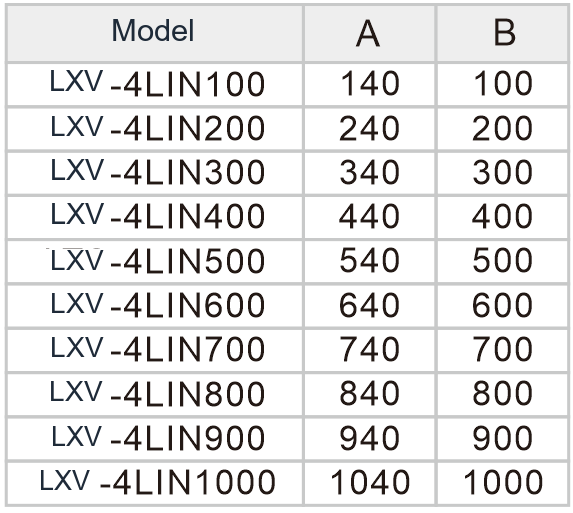
Align the illuminated line with the camera scan line and cover the complete inspection width. Compare brightness, working distance and line width together; housing length alone is not enough. Continuous motion also needs stable triggering and speed information.
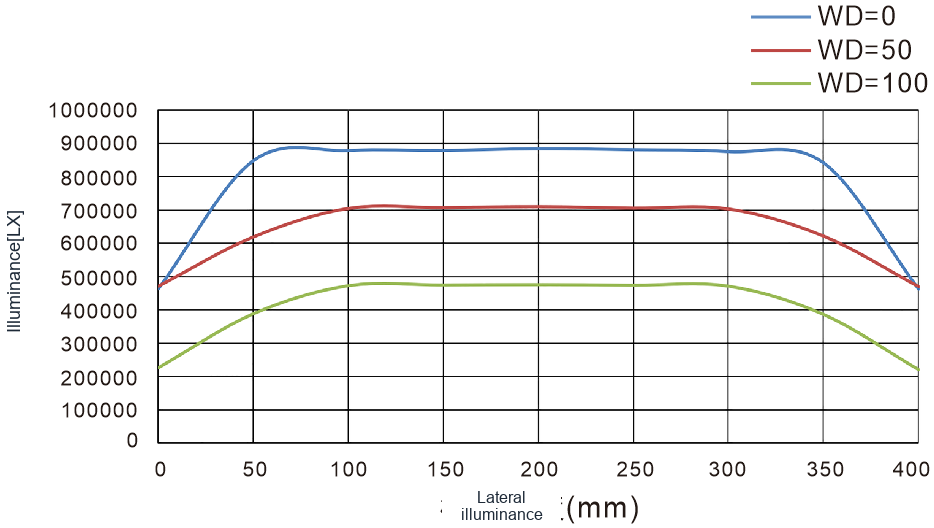
Fix line rate and exposure, compare both ends with the centre, and check moving samples for smear and banding. Cooling affects sustained operation, so repeat captures after temperature stabilises. Record speed, mounting angle and controller settings to make the setup reproducible.
Related product family?
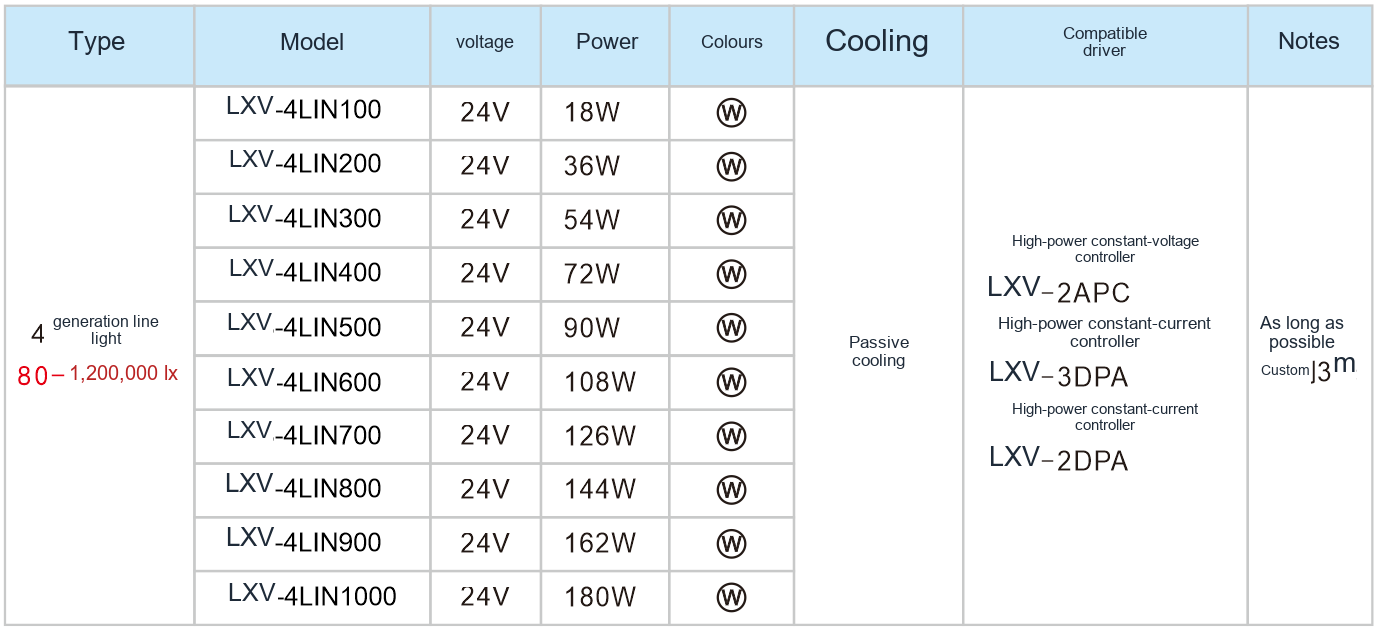
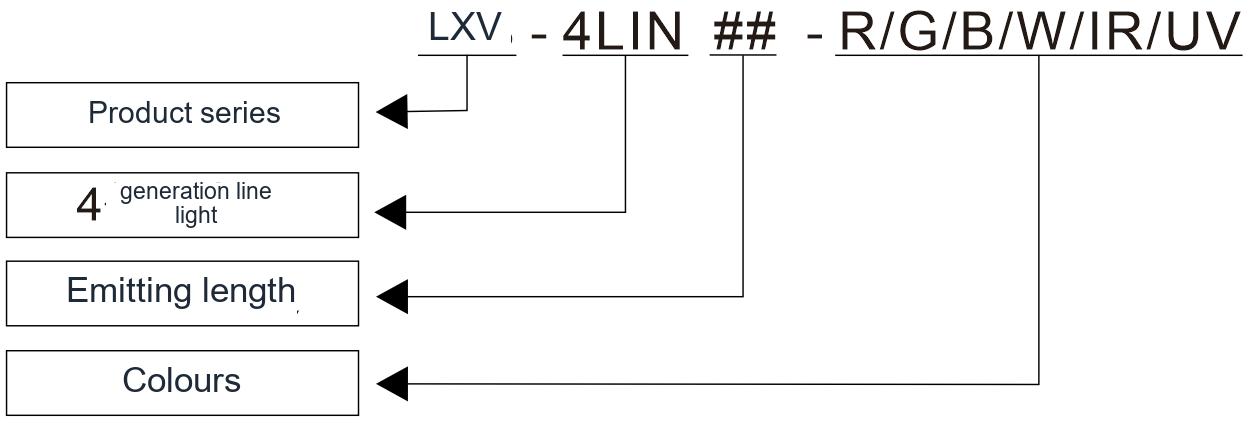
LXV-4LIN
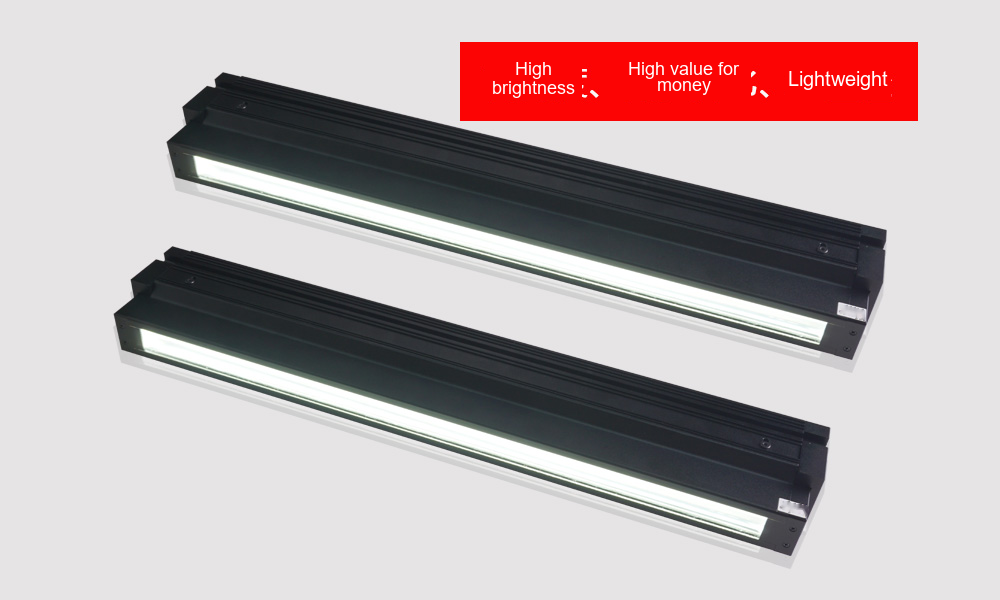
A focused line of light for inspecting surfaces and edges.
Before choosing a configuration?
For selection, specify the field of view, smallest target feature, height variation, cycle time and installation space. Use the specific product page and drawing to verify electrical ratings, dimensions and compatibility.
Balancing distance and heat management?
Working distance changes the illuminated footprint and useful brightness. Evaluate it together with the required mounting and cooling conditions for the selected light. Avoid using a distance change to compensate for an unstable thermal installation.
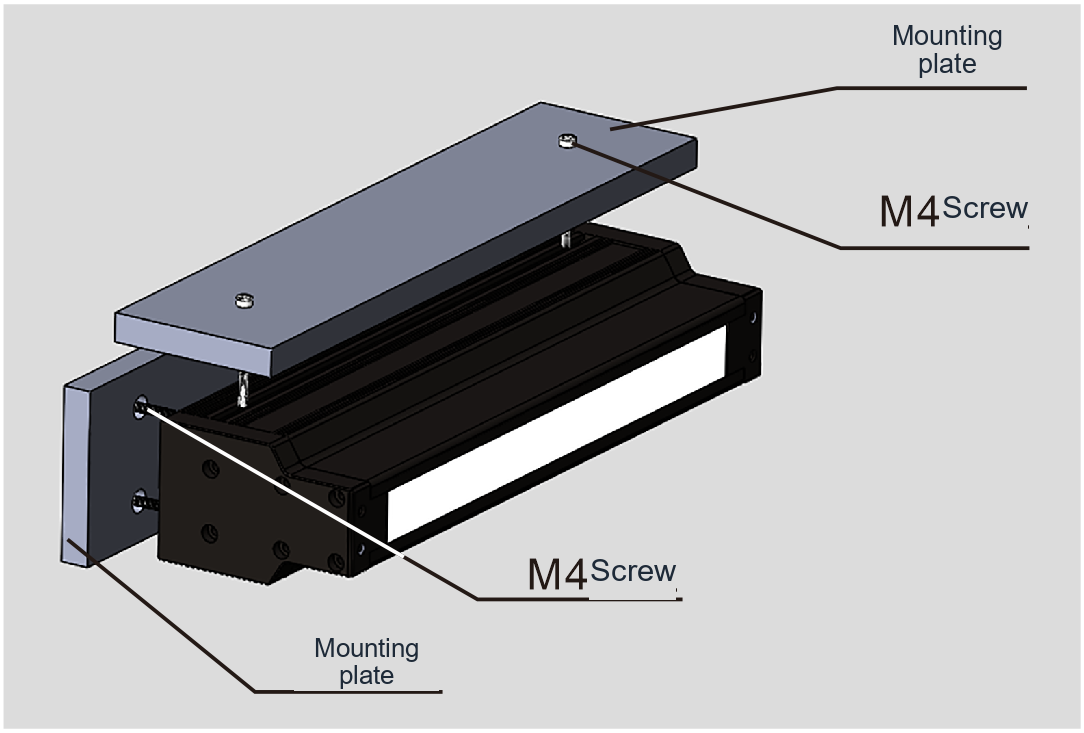
Measure image uniformity and exposure after warm-up. Check the same settings over the expected ambient range. Confirm that the mechanical mount and cooling arrangement follow the model-specific documentation.
What do the optical setup and sample images show?