What inspection variables should be evaluated?
Check incidence on straight edges and all four corners separately. Correct centre exposure can still leave corner highlights.
What lighting geometry fits this inspection task?
Ring lighting surrounds the lens, but different illumination angles produce different images. Higher angles can illuminate surfaces facing the camera; low angles can reveal edges and relief. Hole depth, occlusion and surface reflectance matter.
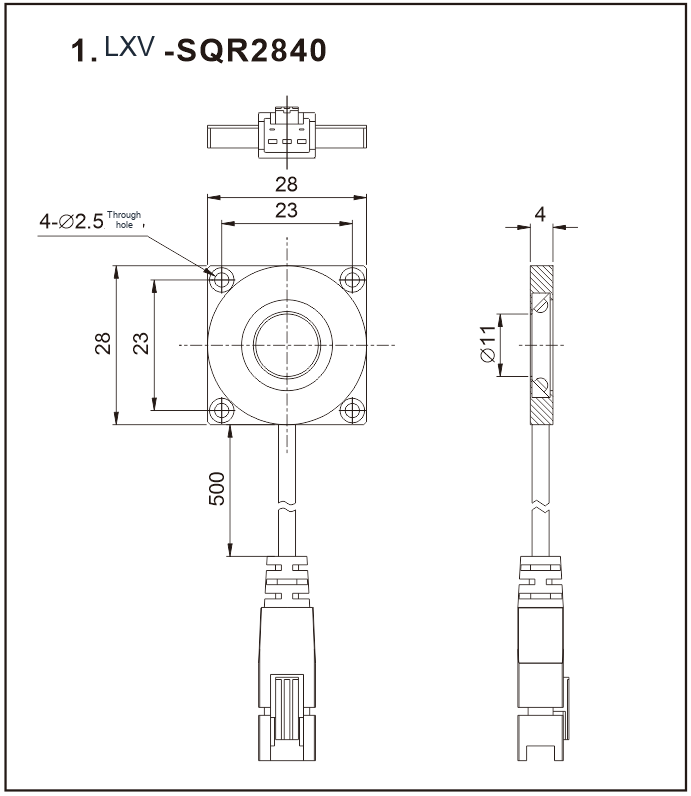
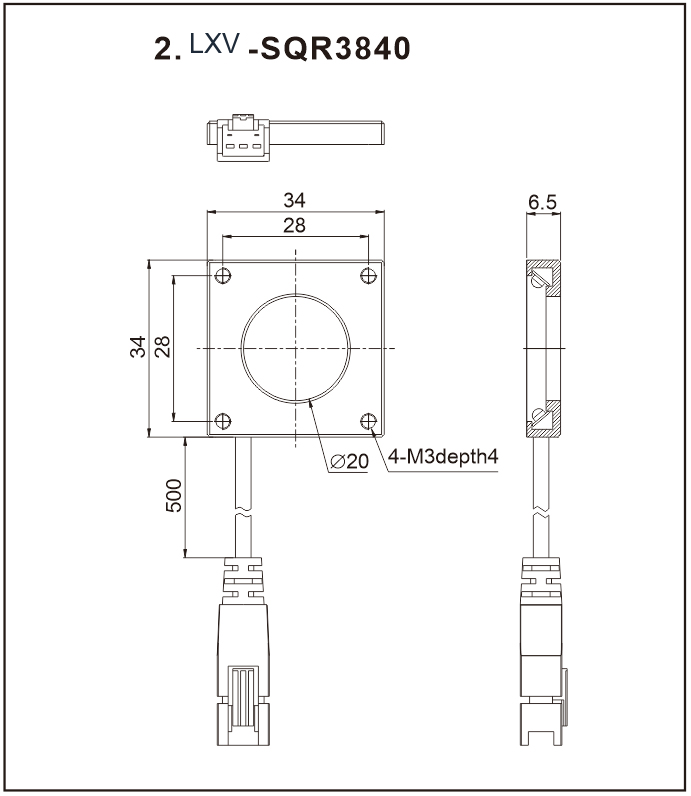
Confirm that the clear opening does not restrict the field of view. Compare target and background at different light heights. Inspect peripheral pins, corners and recesses as well as the centre. Keep the sample pose controlled, then test throughout the permitted tilt range.
Related product family?
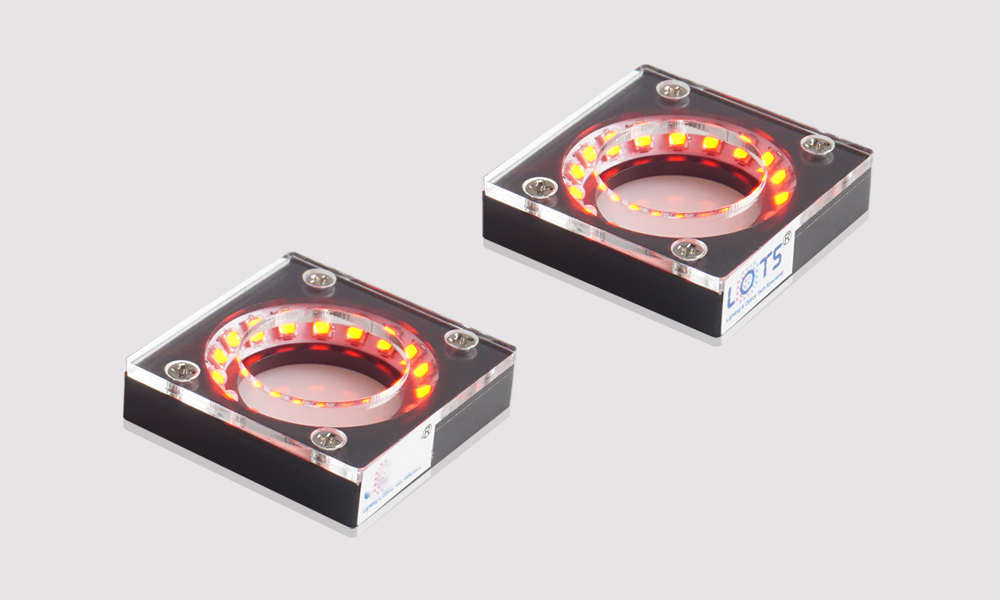
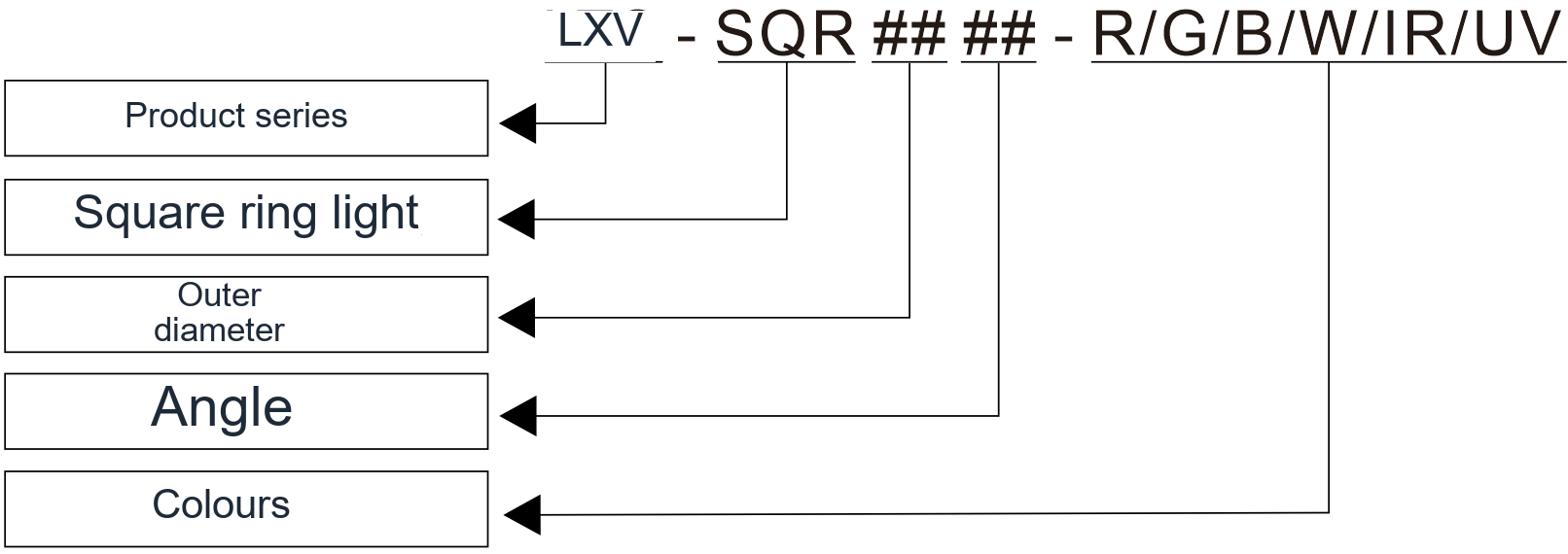
LXV-SQR
Lighting for inspecting shapes, surfaces and small details.
Before choosing a configuration?
For selection, specify the field of view, smallest target feature, height variation, cycle time and installation space. Use the specific product page and drawing to verify electrical ratings, dimensions and compatibility.
Checking square-ring coverage?
Align the ring opening with the camera view and the workpiece. Evaluate the corners independently from straight edges because their illumination angles differ. Include the fixture and nearby reflective surfaces in the test.
Rotate and translate the part within its tolerance. Compare bright-field and lower-angle positions when practical. Select a geometry that reveals the required features across the full perimeter without obscuring recesses.
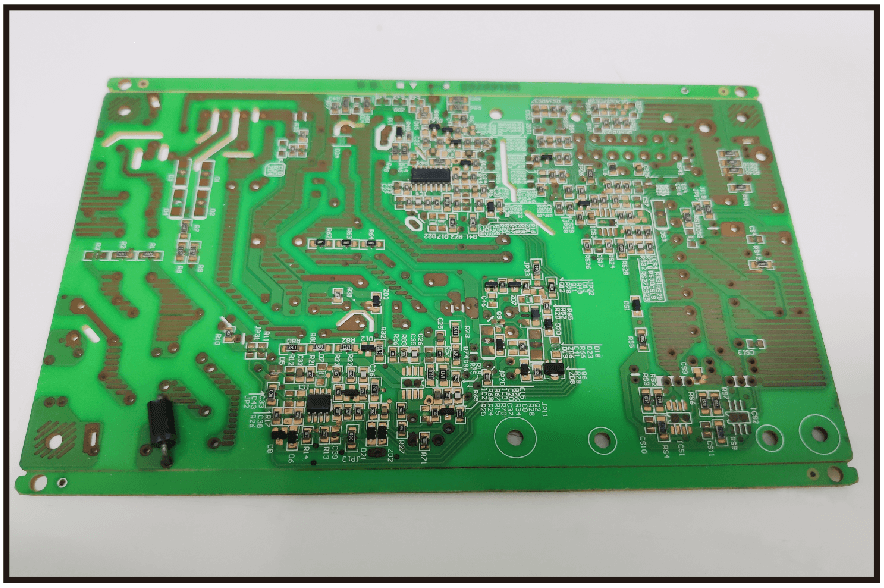
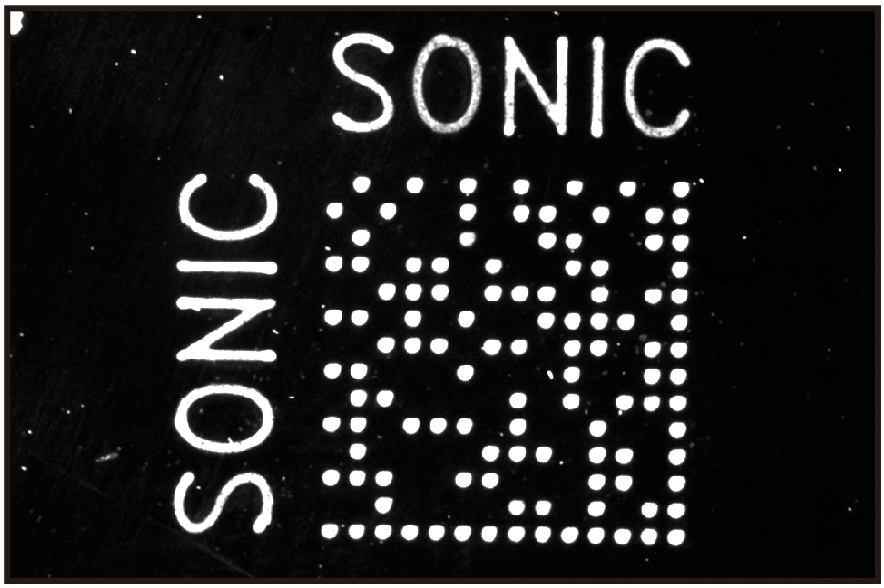
What do the optical setup and sample images show?