What inspection variables should be evaluated?
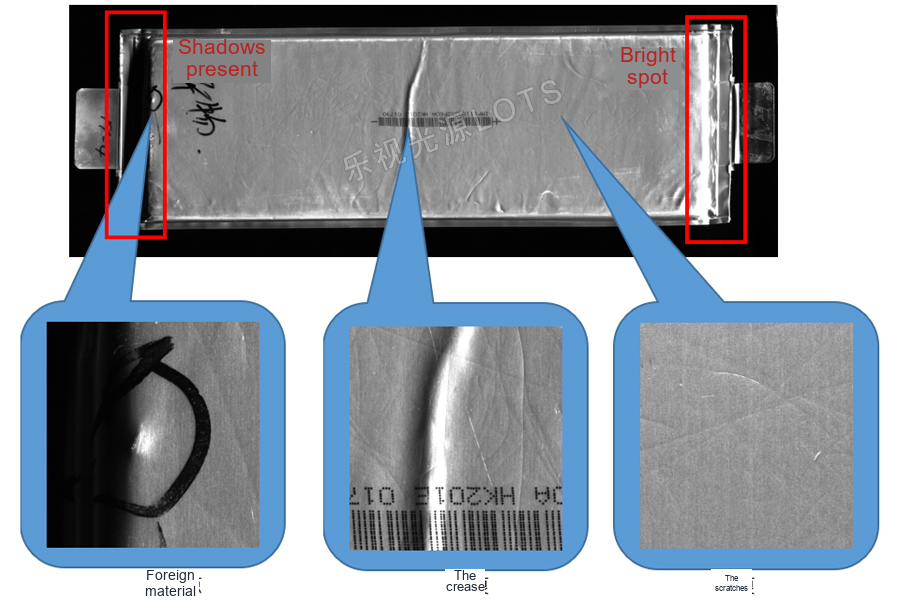
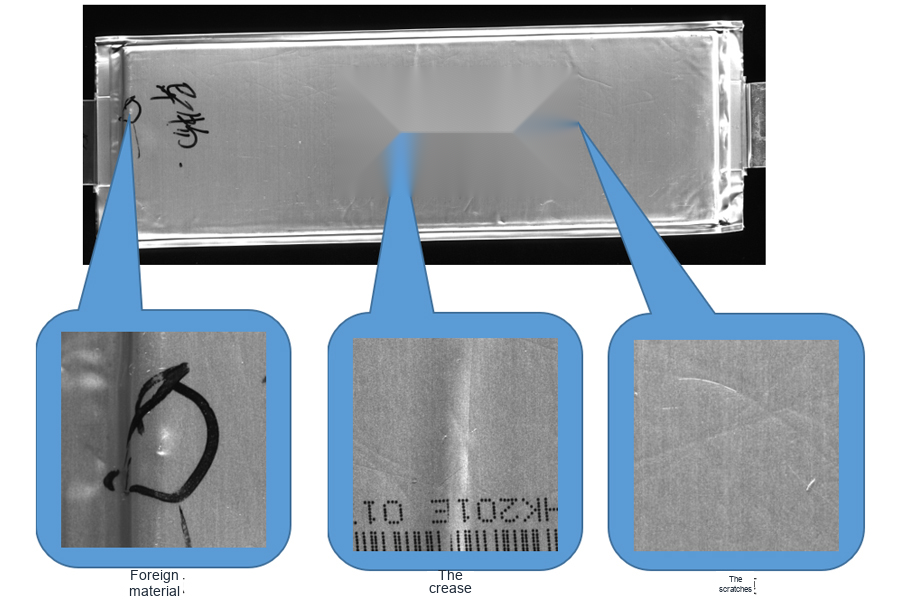
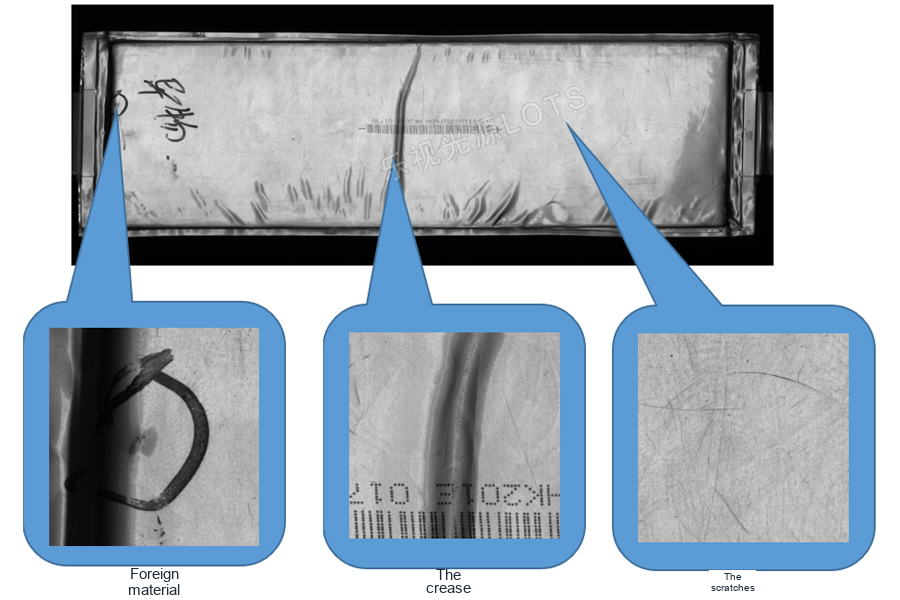
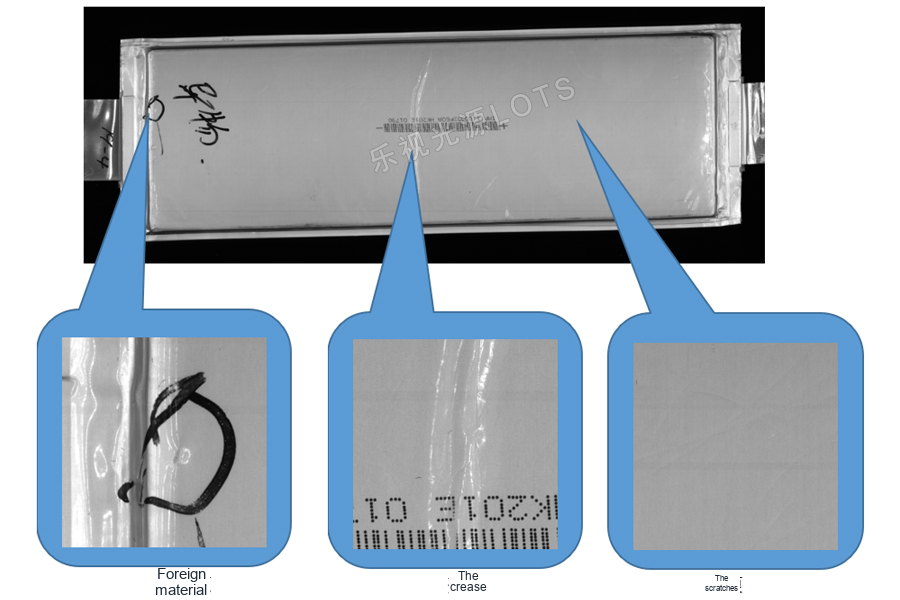
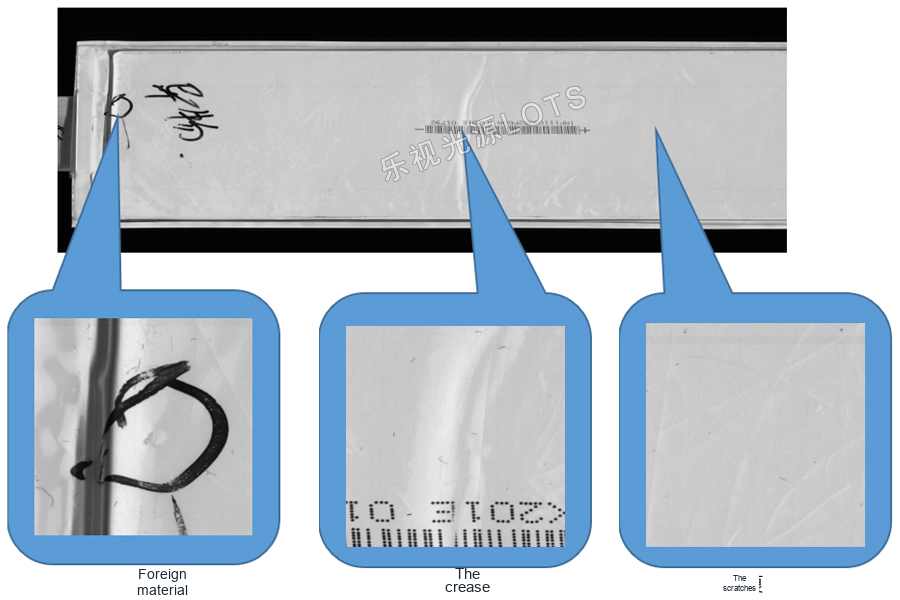
Sample creases, contamination and scratches separately. Reflective wrapping also requires normal wrinkles and tension variation in the test set.
What lighting geometry fits this inspection task?
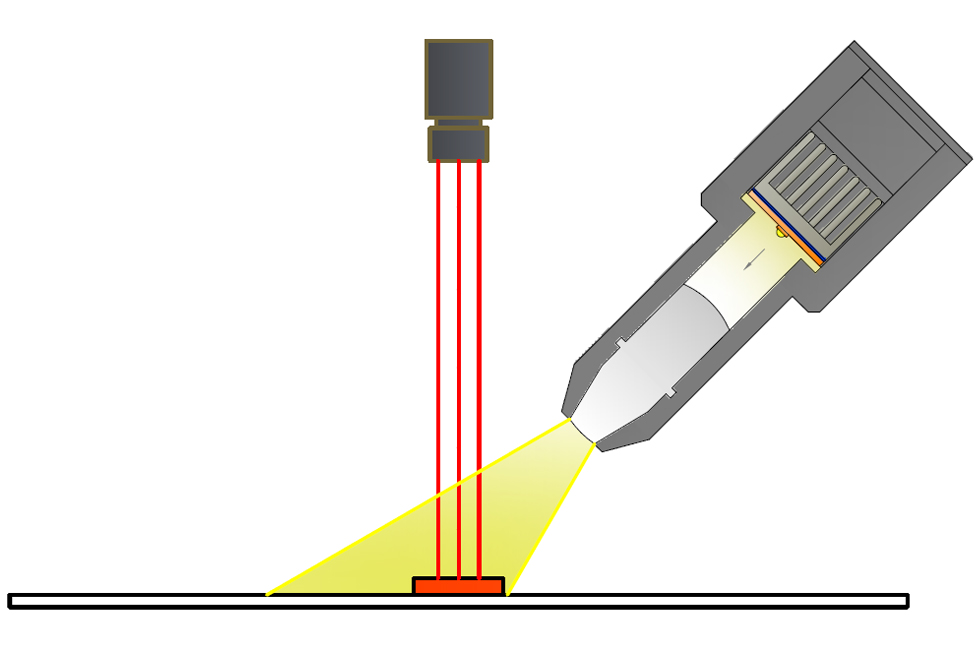
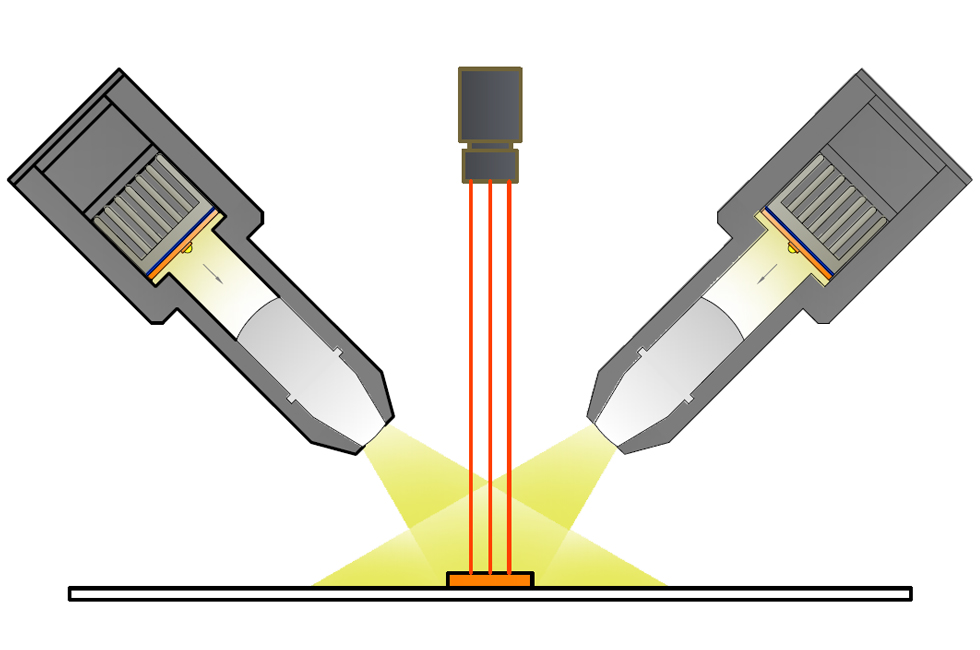
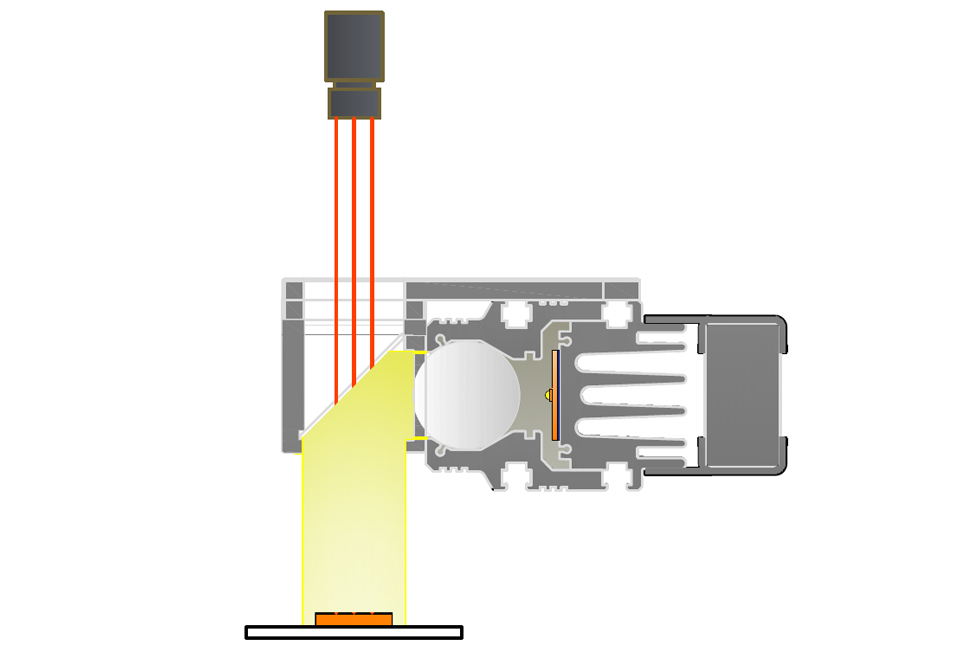
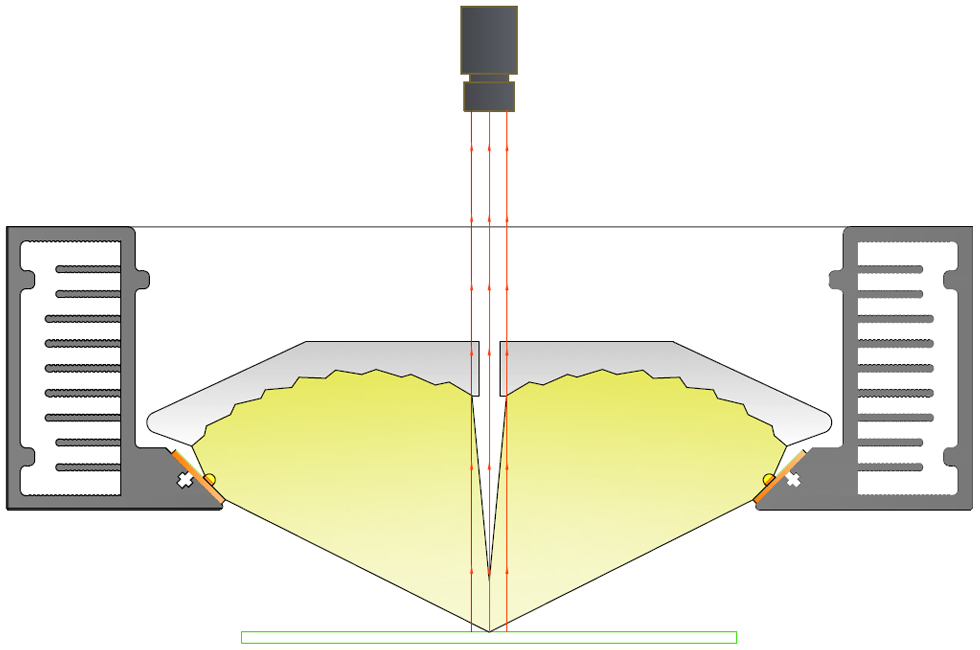
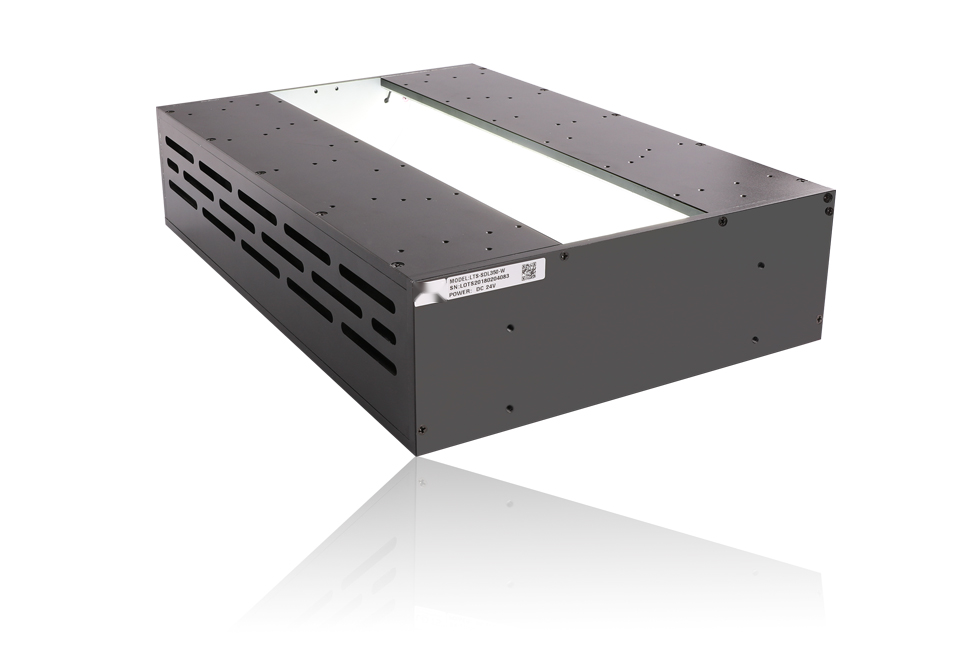
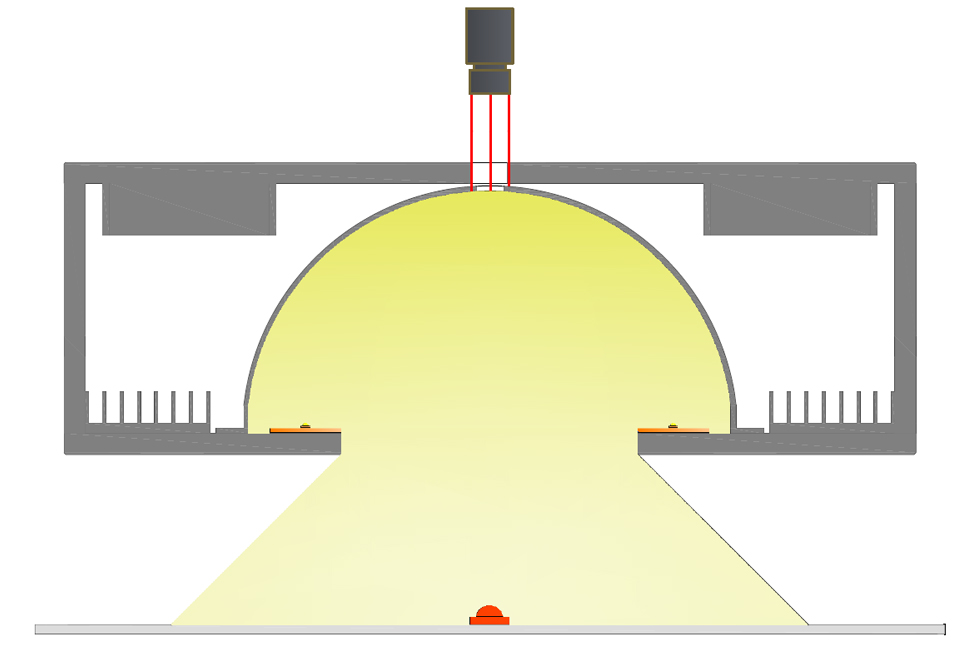
Coaxial illumination sends light close to the camera viewing axis. It can help separate flat reflective areas from markings, depressions and scratches. Tilt, curvature and protective films can change the result, so align the light, lens and sample together.
Start below saturation and adjust alignment while watching the target feature. Test good and defective parts from different batches. Check the field edges, material texture and lens reflections. An even background is useful, but does not by itself support defect contrast.
Related product family?
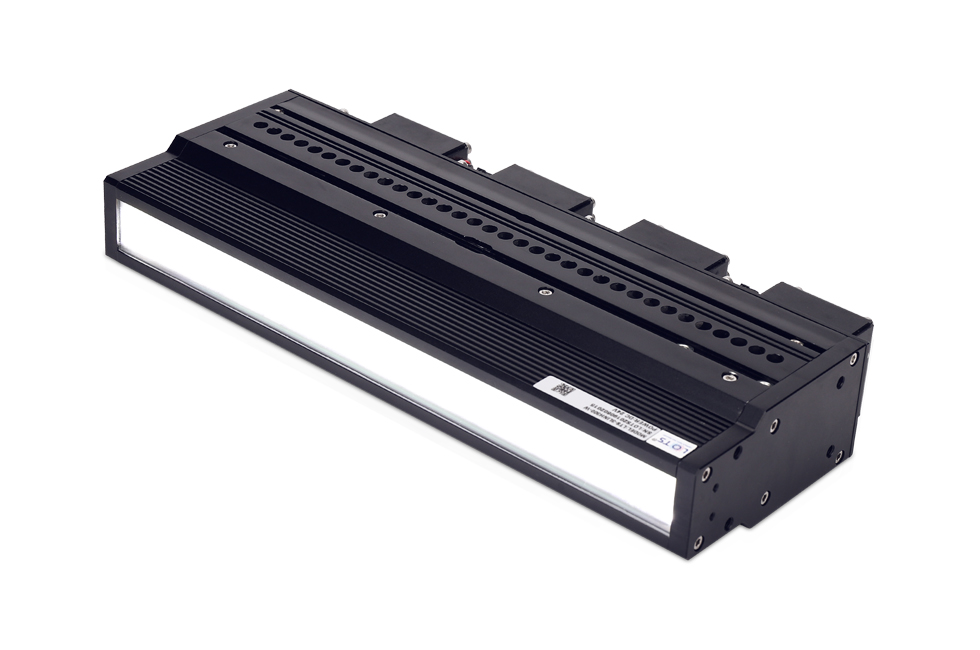
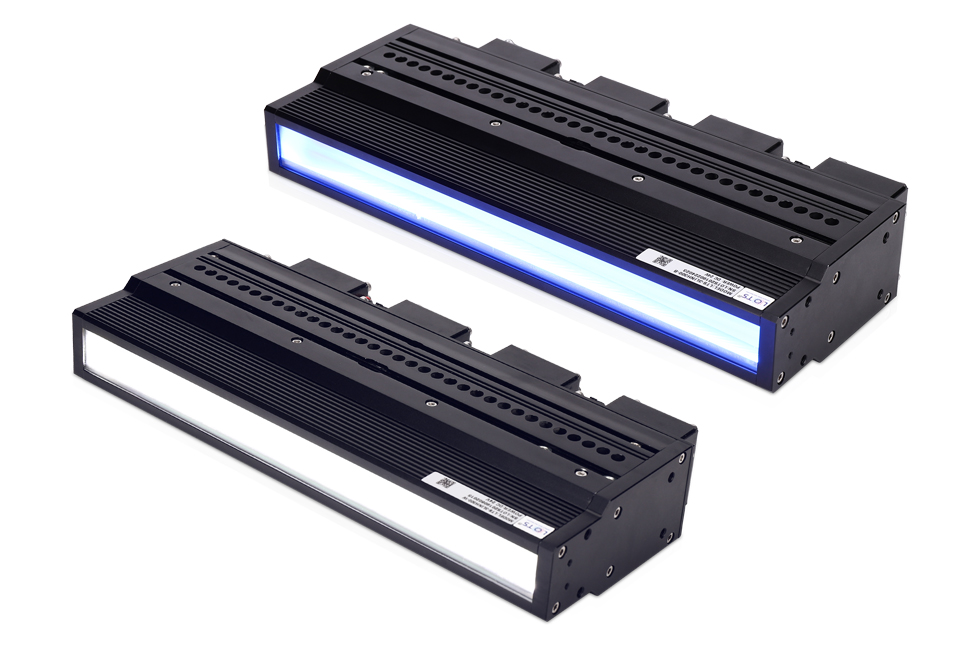
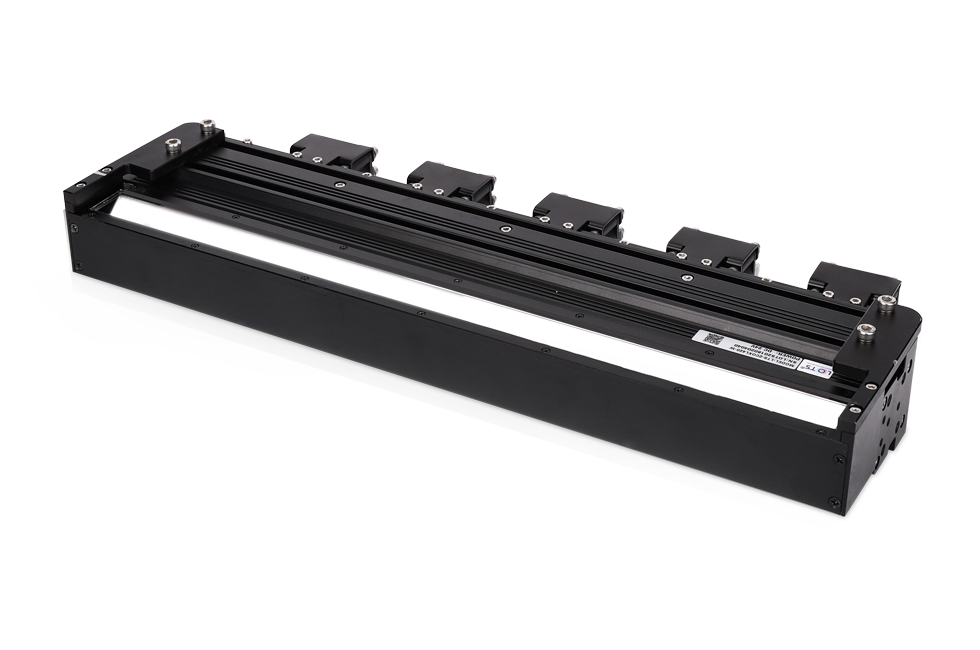
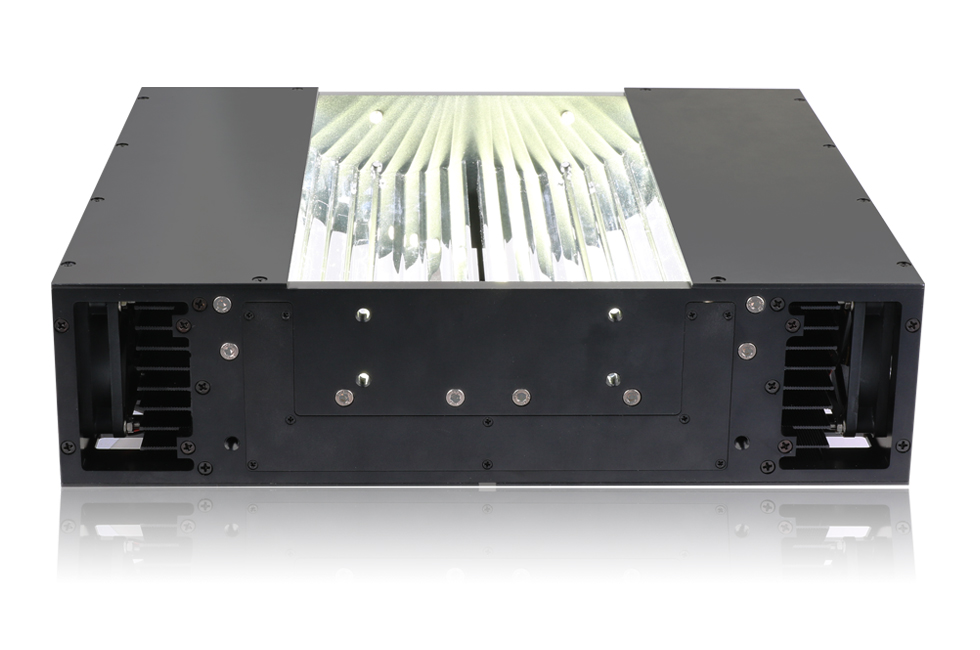
LXV-4COXL
A focused line of light for inspecting surfaces and edges.
Before choosing a configuration?
For selection, specify the field of view, smallest target feature, height variation, cycle time and installation space. Use the specific product page and drawing to verify electrical ratings, dimensions and compatibility.
Separating battery-surface defect classes?
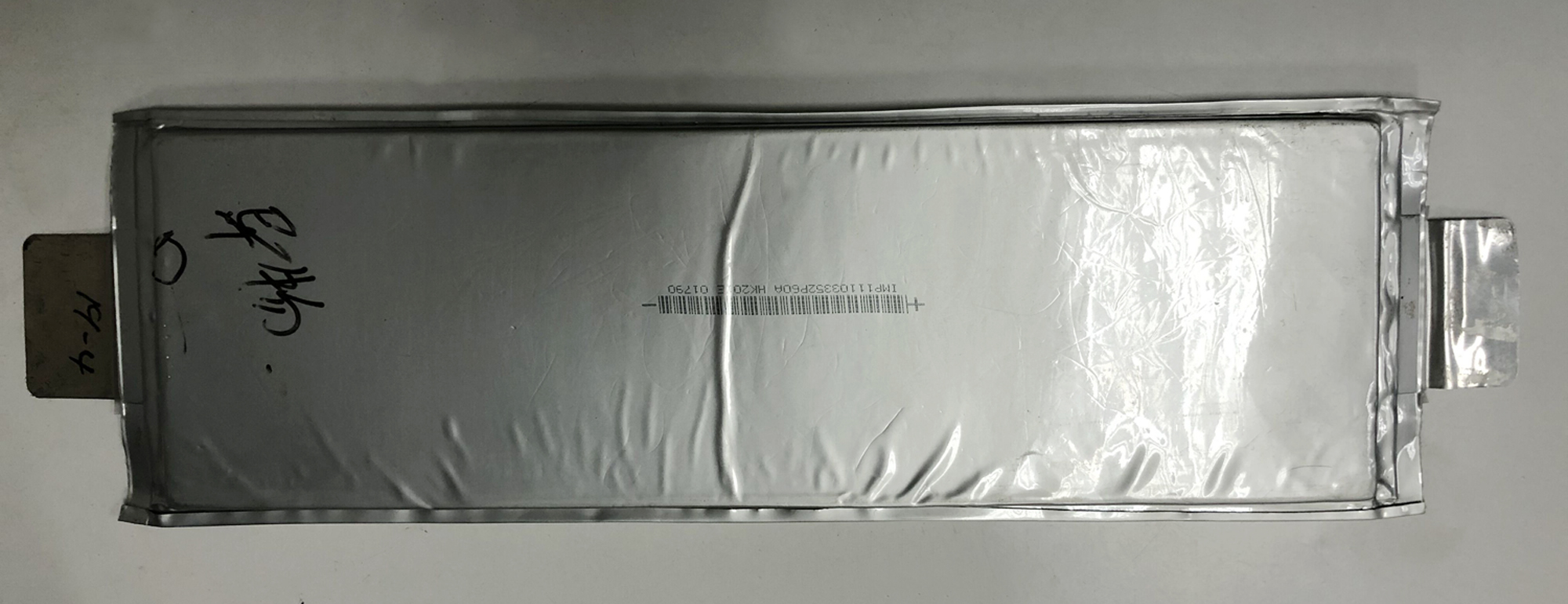
Creases, foreign material and scratches can alter reflection in different ways. Use representative defects to compare coaxial, diffuse and directional arrangements where the geometry permits. Include the actual pouch or casing finish.
Evaluate the same region under each state and retain the raw examples. Check pose and height variation before choosing thresholds. Use multiple acquisition states when one image cannot distinguish the required defect classes reliably.
What do the optical setup and sample images show?