What inspection variables should be evaluated?
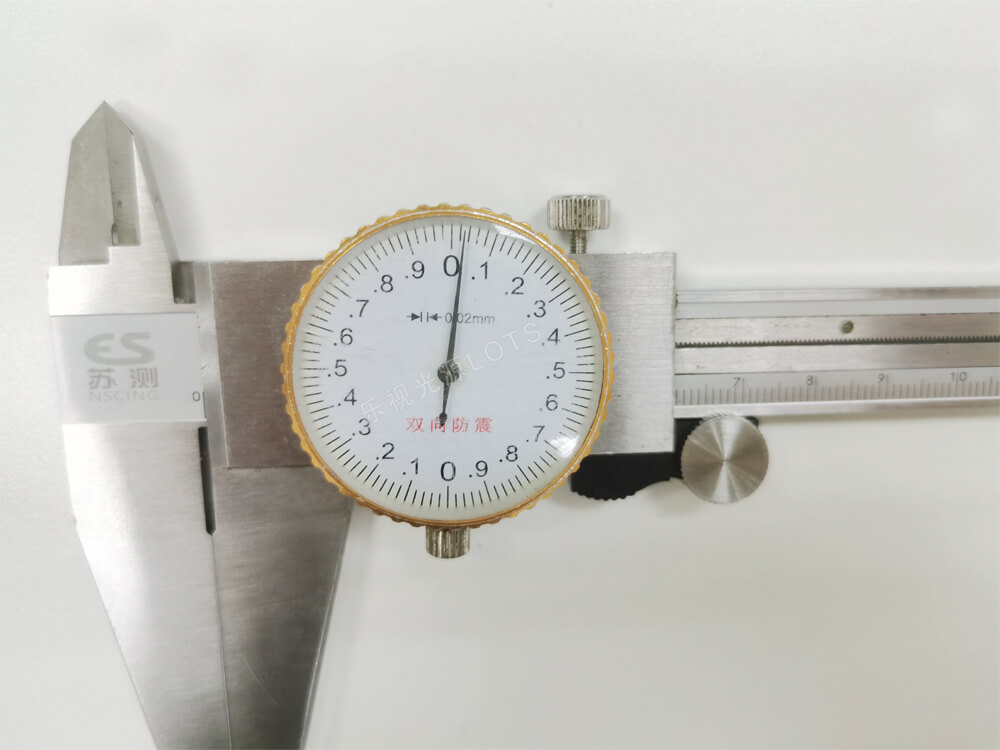
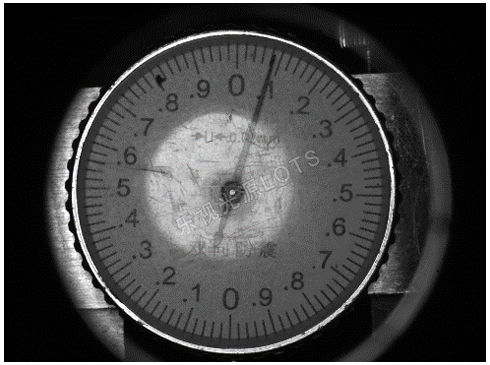
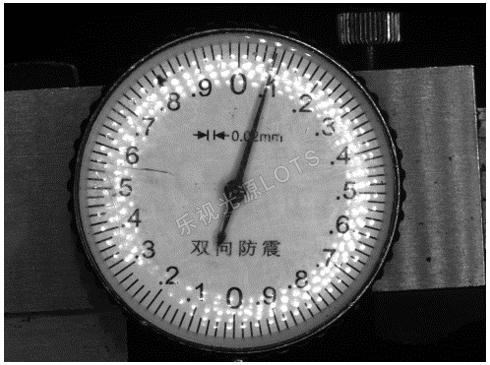
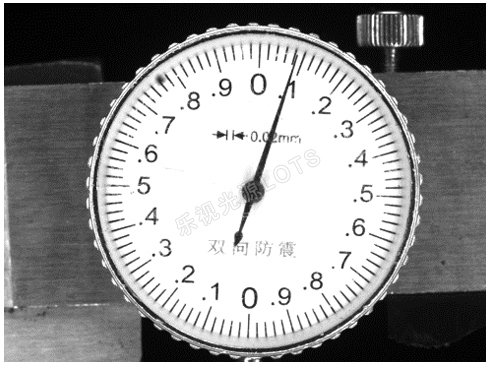
Dial-cover glare can hide lettering or pointers. Compare angles and check visibility through the pointer’s range of movement.
What lighting geometry fits this inspection task?
Diffuse lighting spreads illumination over a broad area to reduce concentrated reflections. It is useful to evaluate curved parts, glossy packaging and uneven textures. Dome, flat and square diffuse lights have different openings and working distances.
Check background brightness at the centre and edges and look for reflections of the camera opening. Diffusion may also reduce fine-scratch contrast; a separate directional exposure can help. Evaluate colour, markings and defects on real samples instead of selecting a light only for a visually pleasing image.
Related product family?
LXV-FPR
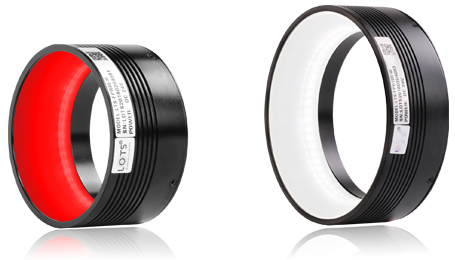
Lighting for inspecting shapes, surfaces and small details.
Before choosing a configuration?
For selection, specify the field of view, smallest target feature, height variation, cycle time and installation space. Use the specific product page and drawing to verify electrical ratings, dimensions and compatibility.
Reading a dial through reflective surfaces?
Treat printed characters, the pointer and any transparent cover as separate optical elements. Compare diffuse light and suitable polarisation to control cover reflections while retaining the pointer edge.
Test representative pointer positions and dial finishes. Check the smallest characters and markings at the production exposure. Verify that a reflection or shadow does not change the apparent pointer position.
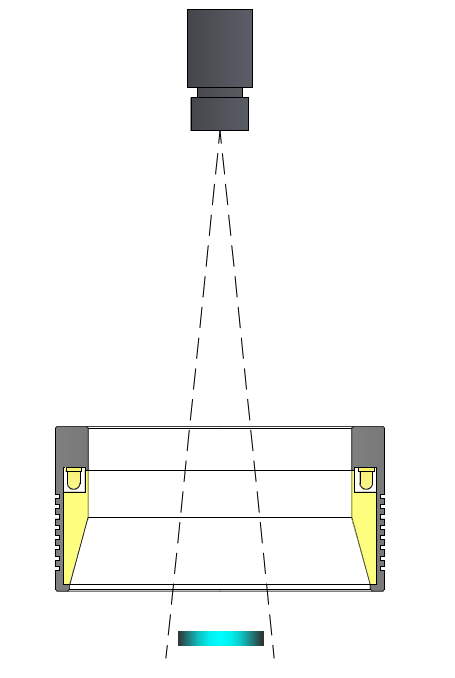
What do the optical setup and sample images show?