What inspection variables should be evaluated?
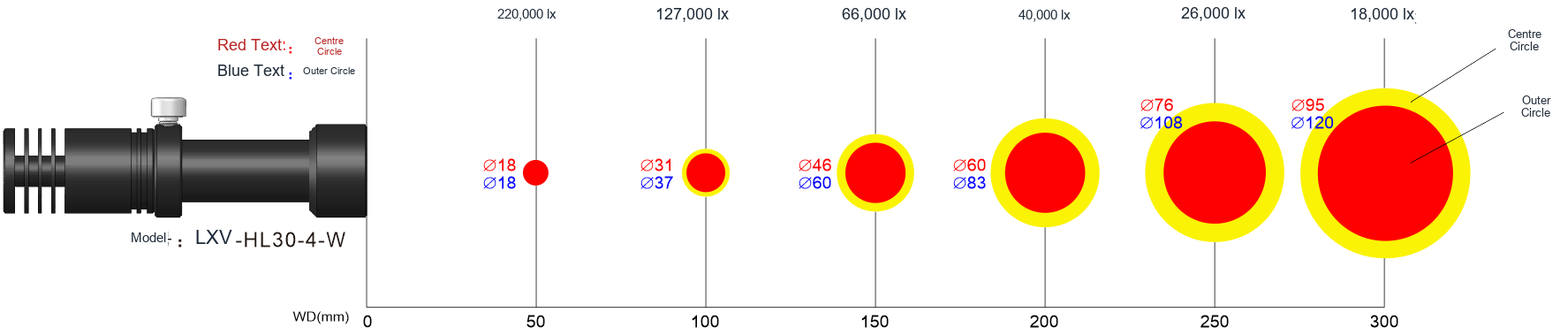
Spot matching involves edge falloff and central hotspots as well as diameter. Test at the actual working distance.
What lighting geometry fits this inspection task?
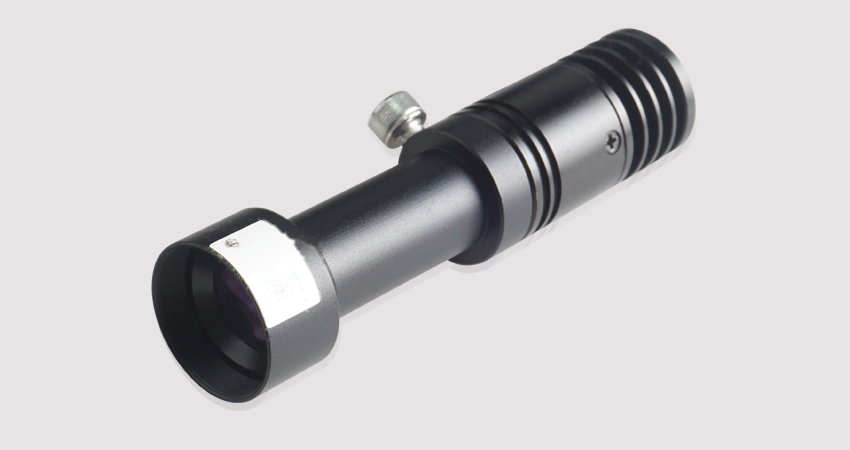
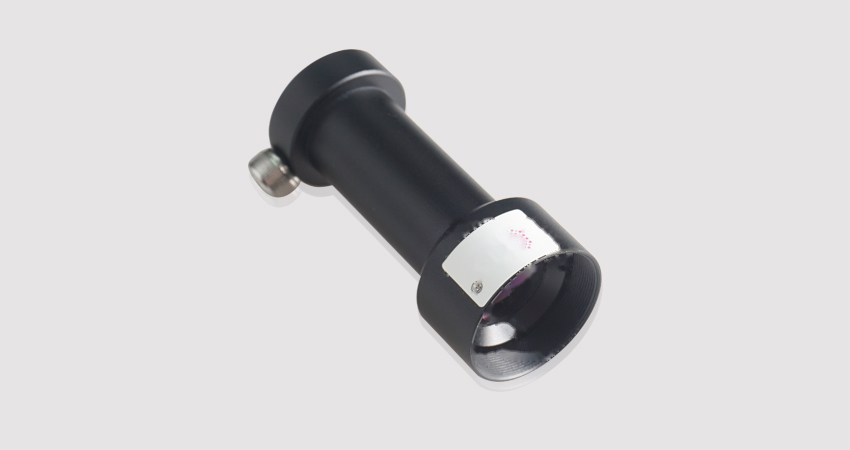
Match a spot light to the lens illumination port, magnification and target area. A small or off-centre spot can cause uneven brightness.
A fibre system separates the light source from its output. Match the source interface, guide diameter, numerical aperture and output geometry. Spot, line and ring guides suit different spaces; coupling and bend radius affect the light reaching the sample.
For comparisons, use the same guide, working distance and camera settings. Check connector cleanliness, mounting and temperature. Source output is not the same as illuminance on the workpiece. Judge the complete optical path by usable contrast and exposure margin.
Related product family?
LXV-HL
Lighting for inspecting shapes, surfaces and small details.
Before choosing a configuration?
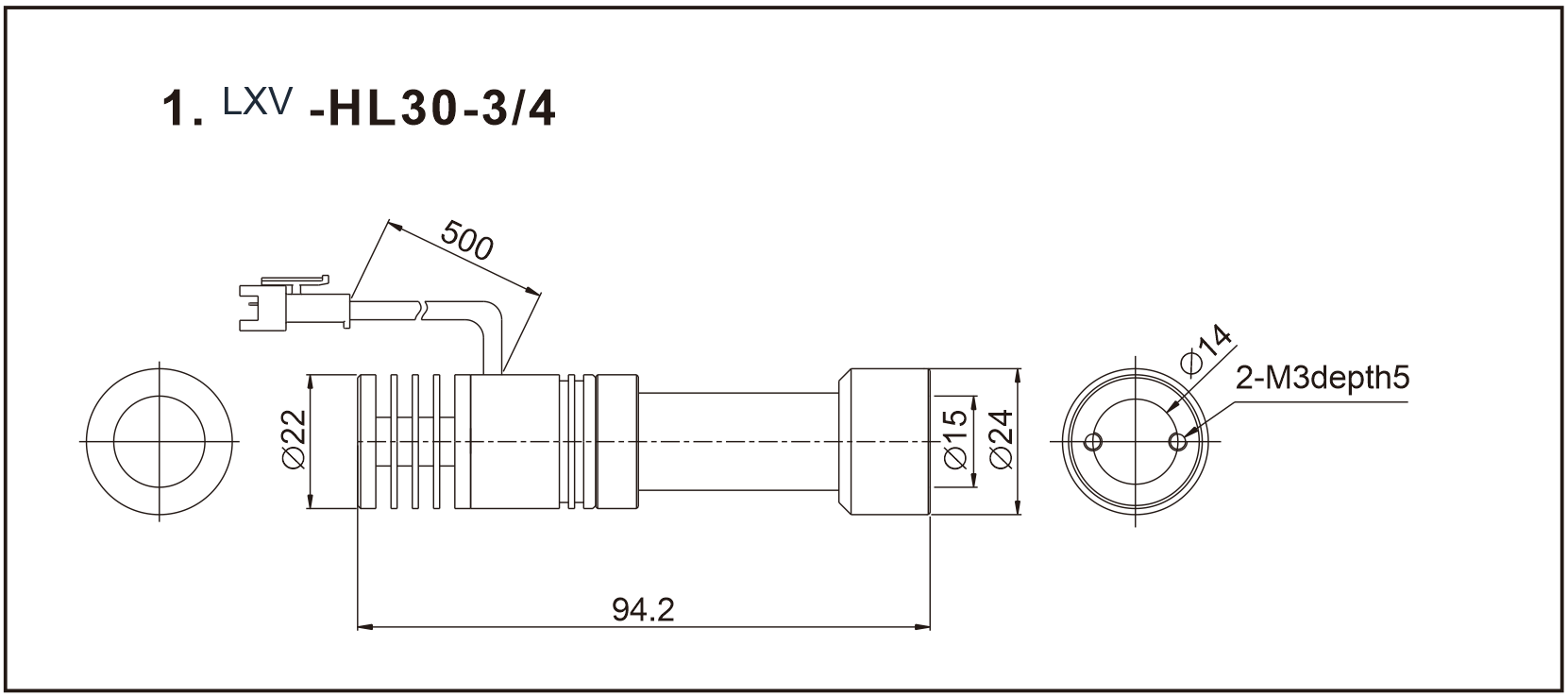
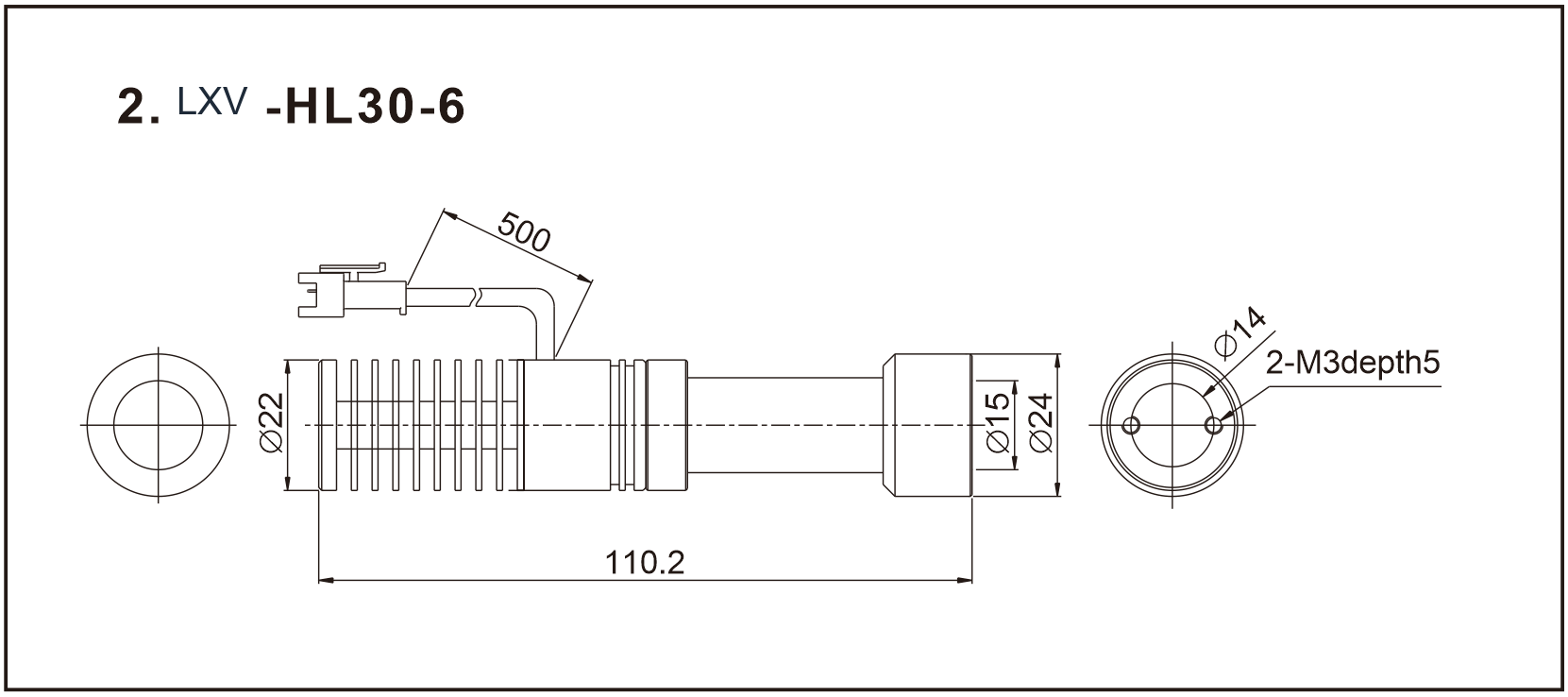
For selection, specify the field of view, smallest target feature, height variation, cycle time and installation space. Use the specific product page and drawing to verify electrical ratings, dimensions and compatibility.
Checking the illuminated spot?
Measure the spot at the intended working distance and compare it with the field of view. Check the edge of the useful region as well as the centre. Coupling optics and alignment can change both coverage and brightness.
Move a uniform target through the permitted distance range. Confirm adequate exposure without saturated hotspots. Record the optical accessories and mounting position so that the setup can be reproduced.
What do the optical setup and sample images show?