What inspection variables should be evaluated?
Transmission trials should cover thickness, doping and coatings. Material names alone do not establish infrared transparency.
What lighting geometry fits this inspection task?
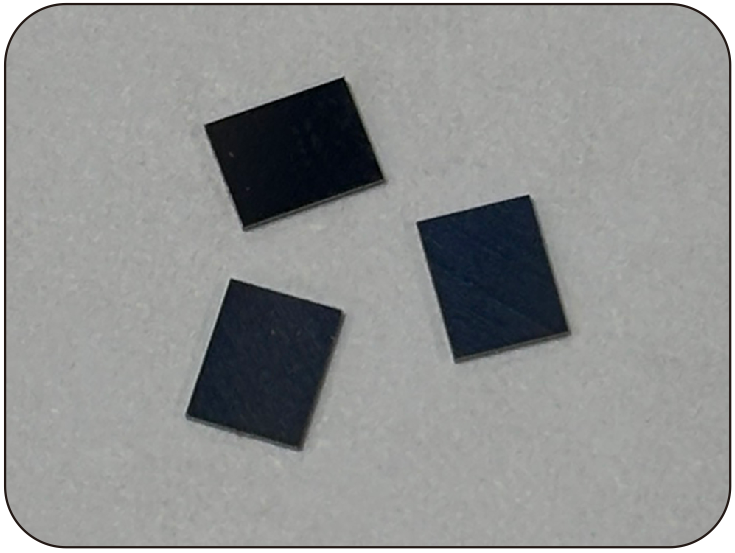
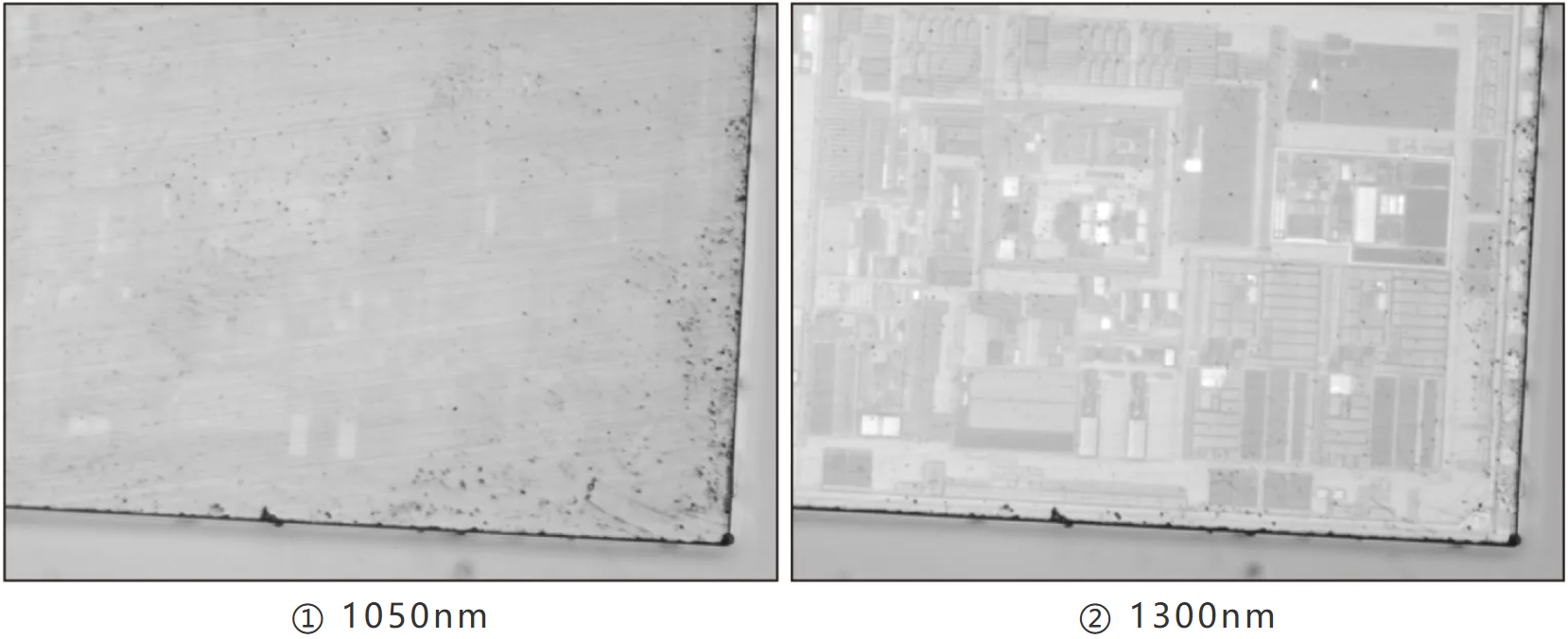
SWIR imaging relies on transmission or absorption differences at the chosen wavelength. A material that blocks visible light is not necessarily transparent throughout the infrared range. Thickness, fillers and package construction need individual checks.
Confirm that the camera, lens, filters and guide support the selected band. Compare transmitted and reflected light using known good and defective samples. Record signal-to-noise performance, exposure and temperature. Appearance or material name alone cannot establish whether internal structures will be visible.
Related product family?
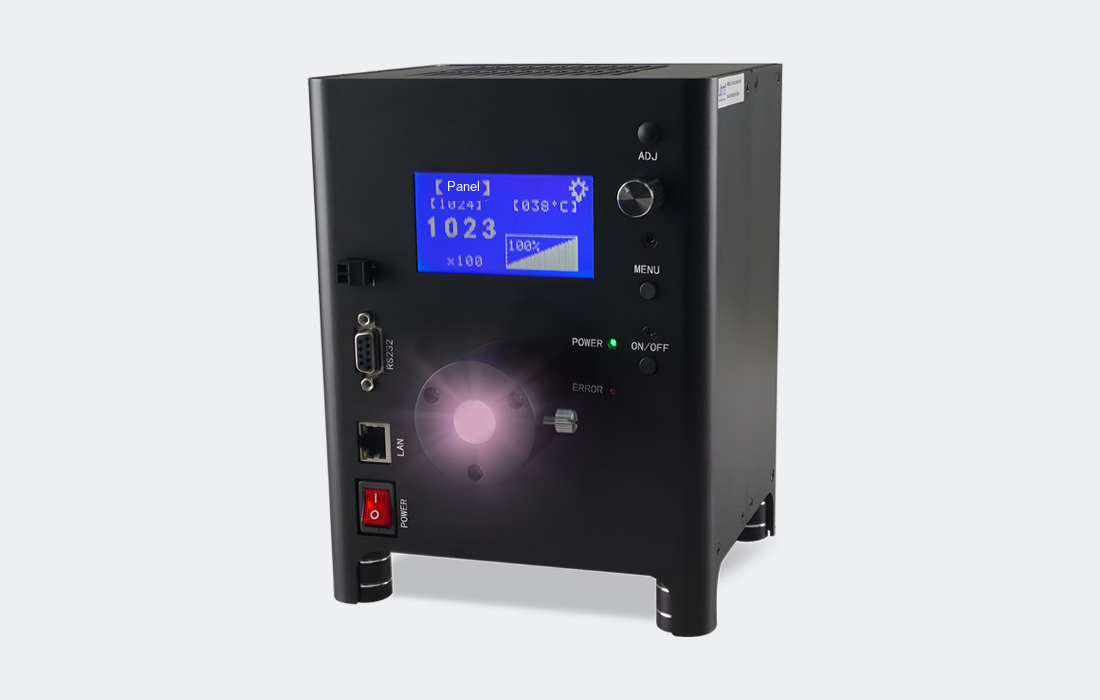
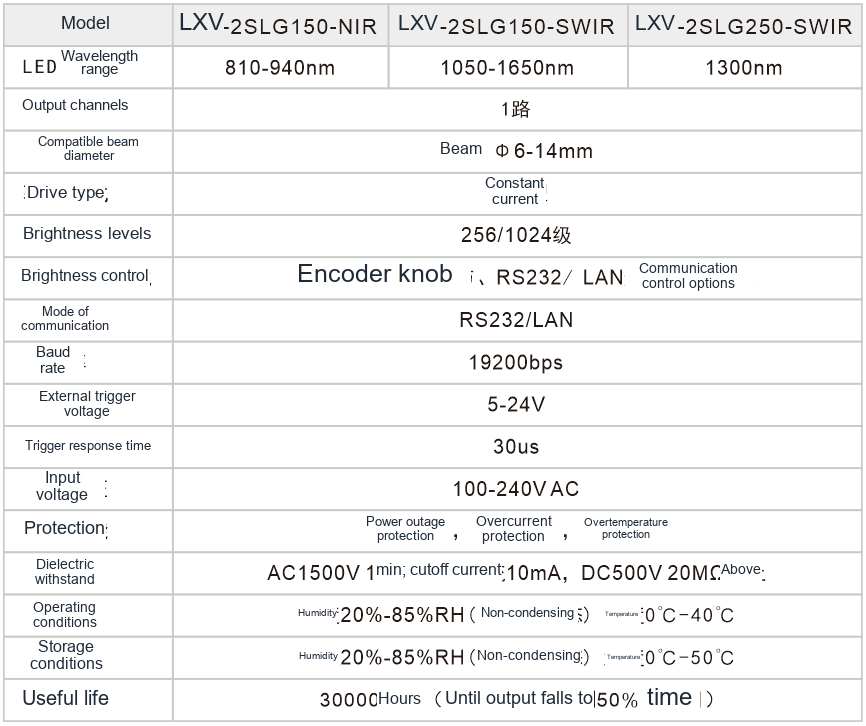
LXV-2SLG-SWIR
Bring light into compact spaces with a fiber guide.
Output channels: 1 channel
Compatible bundle diameter: Bundle Φ6-14mm
Drive mode: Constant-current drive
Brightness levels: 256/1024 levels available
Before choosing a configuration?
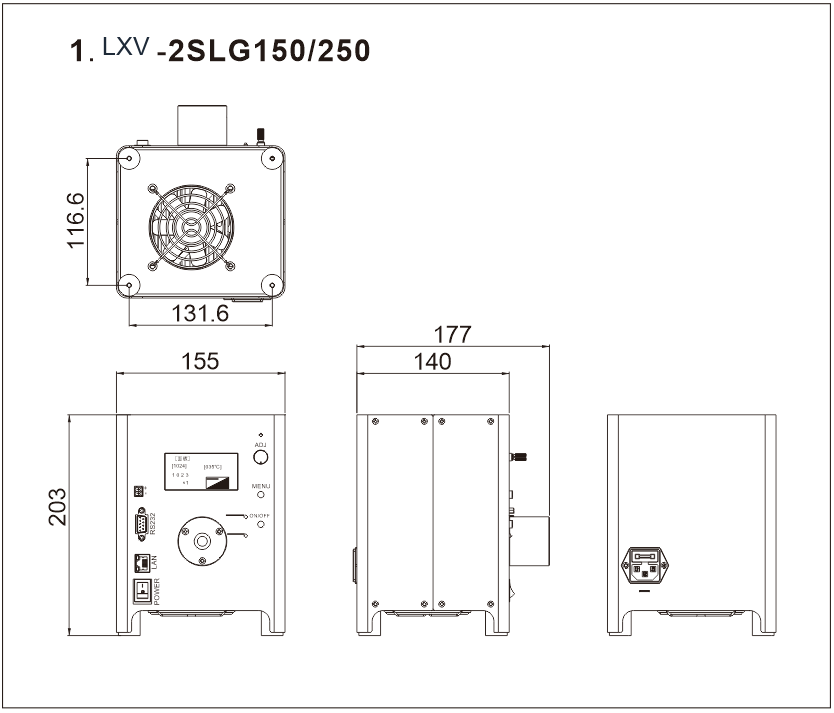
For selection, specify the field of view, smallest target feature, height variation, cycle time and installation space. Use the specific product page and drawing to verify electrical ratings, dimensions and compatibility.
Verifying transmission before selection?
Start with the actual semiconductor material, thickness and coating. A material that appears opaque in visible light may transmit some infrared wavelengths, but the usable band and signal level require measurement on representative samples.
Capture a clear path, an intact sample and the feature of interest using the same optical system. Compare transmitted signal with camera noise and stray light. Verify that a change in thickness does not imitate the feature being inspected.
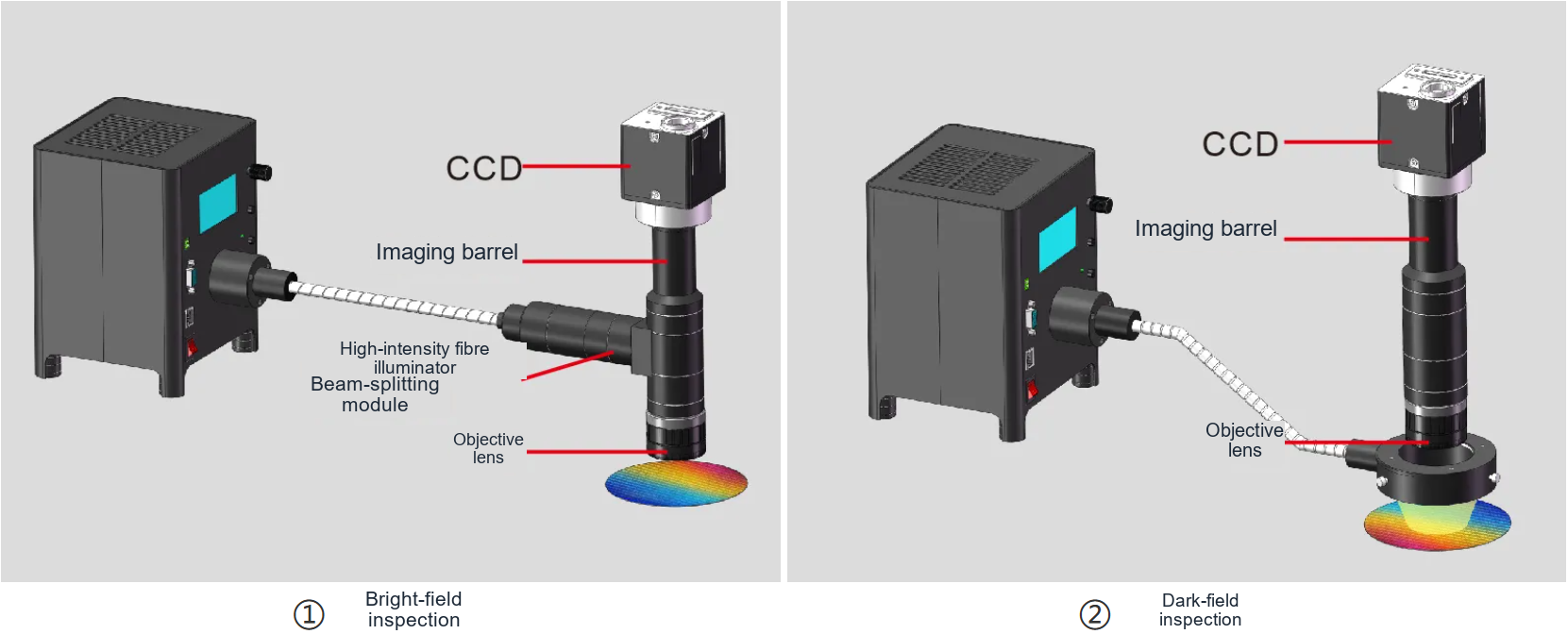
What do the optical setup and sample images show?