What inspection variables should be evaluated?
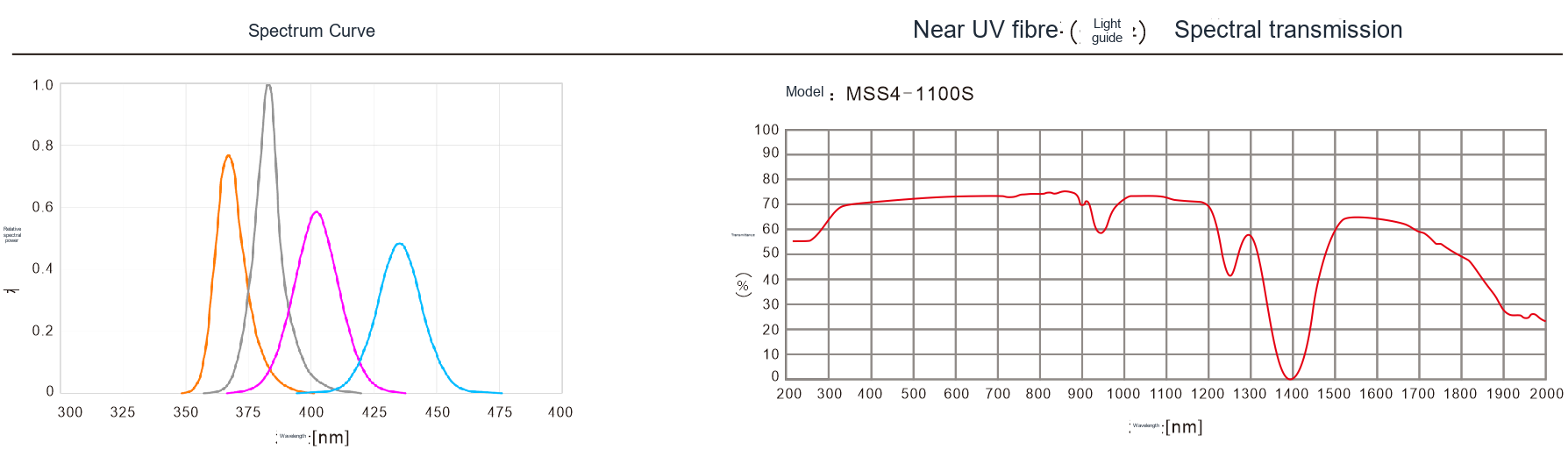
First test whether the material fluoresces under the selected UV band. Then separate excitation light from fluorescence with suitable filtering.
What lighting geometry fits this inspection task?
UV inspection can use reflected-light differences or fluorescence excited in a material. These methods require different filters and camera settings. Check the actual adhesive or material response before choosing excitation and observation bands.
Compare samples with and without adhesive, including cured and uncured states where relevant. Check whether the substrate also fluoresces. Fluorescence imaging often requires rejection of excitation light. Record filters, exposure and material batch, and provide shielding appropriate to the equipment.
Related product family?
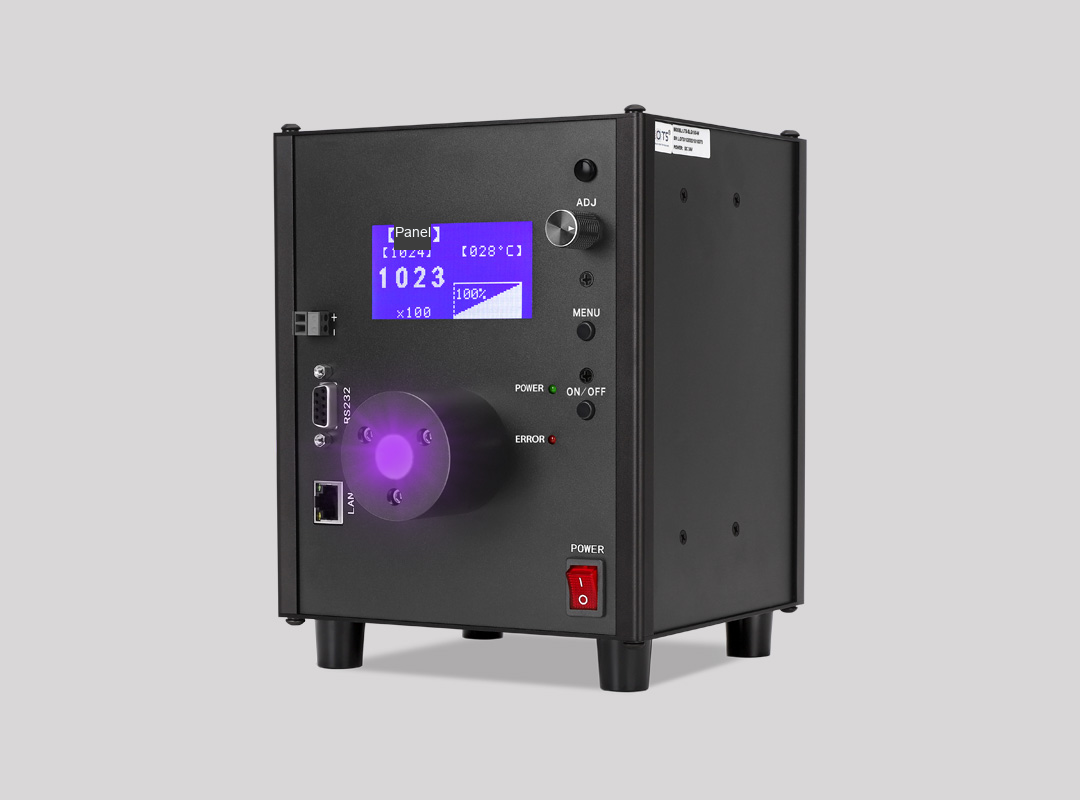
LXV-2SLG
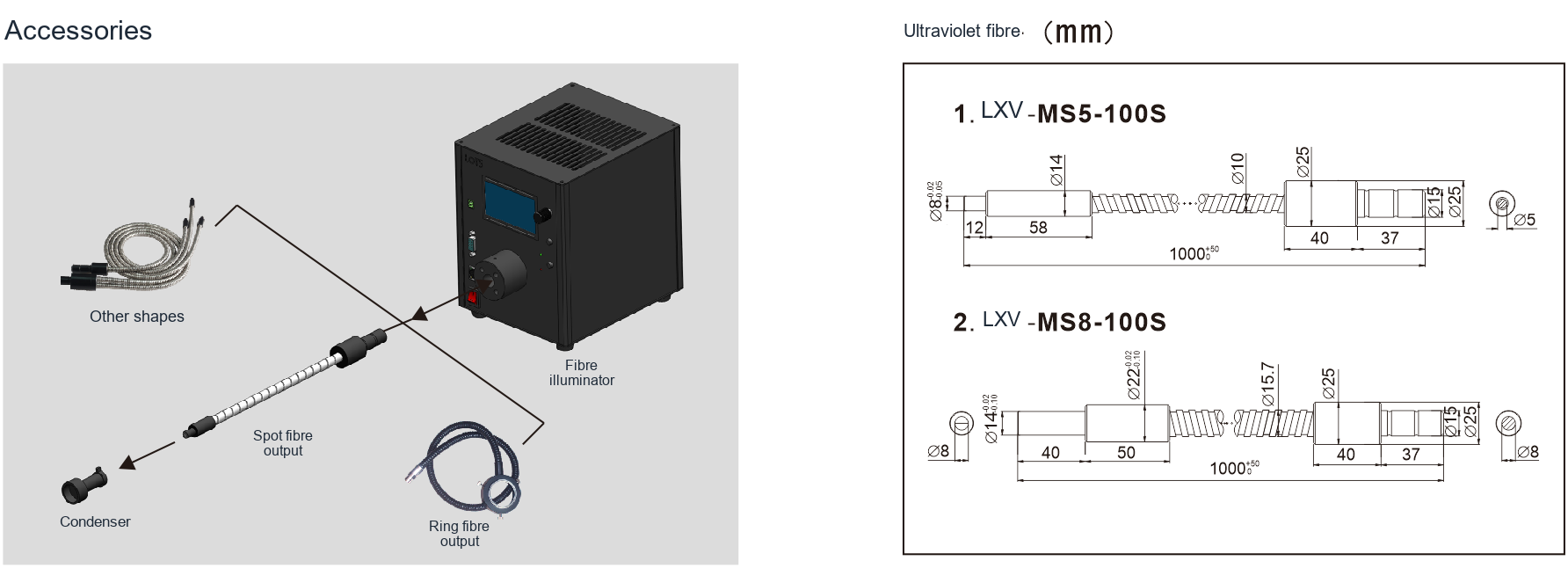
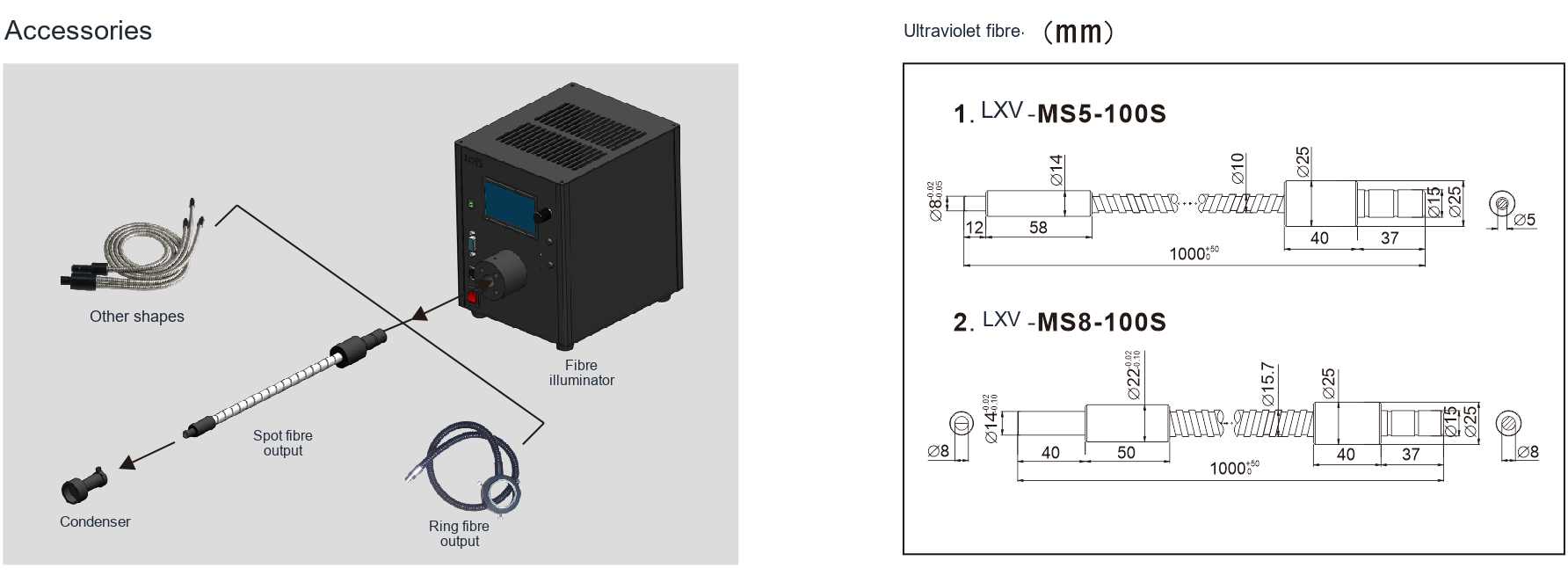
Bring light into compact spaces with a fiber guide.
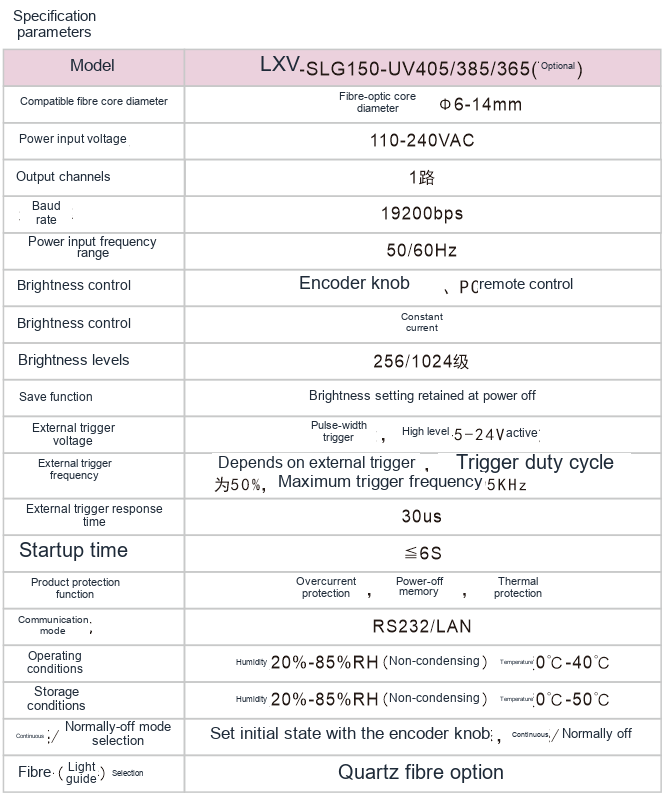
Communication: RS232/LAN
Light output ports: 1
Compatible bundle diameter: Bundle diameter Φ6-14mm
Beam angle: Full angle 30°
Before choosing a configuration?
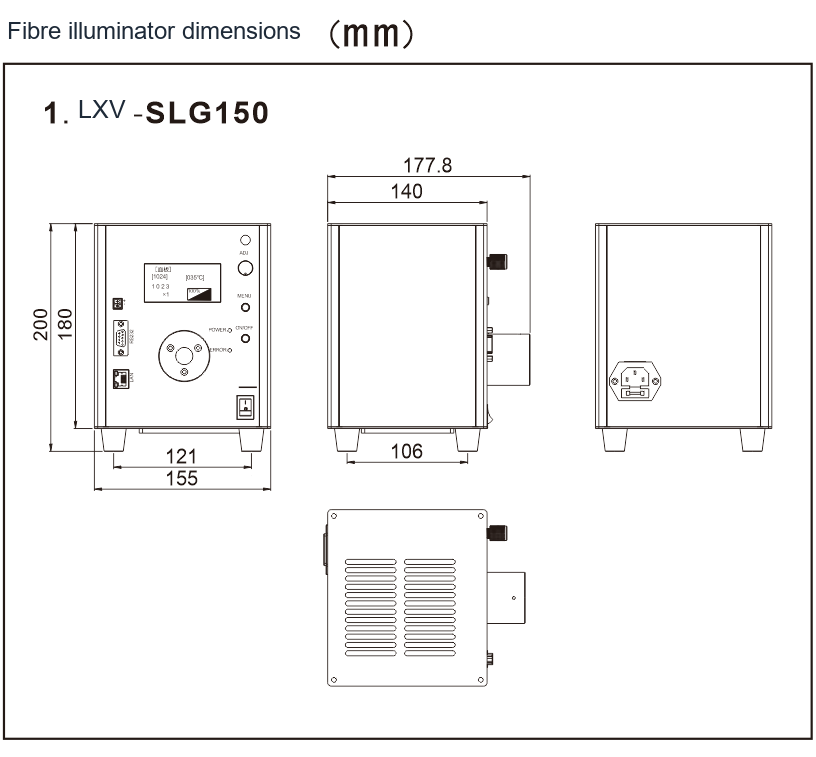
For selection, specify the field of view, smallest target feature, height variation, cycle time and installation space. Use the specific product page and drawing to verify electrical ratings, dimensions and compatibility.
Separating fluorescence from reflected UV?
A fluorescence test requires an excitation band and a camera-side filter that separates useful emission from reflected excitation. First establish that the target material produces a measurable emission under the selected conditions.
Compare the target, background and likely contaminants with the same exposure. Check optical-component transmission and ambient-light leakage. Follow the specified UV shielding and operating requirements for the complete machine.
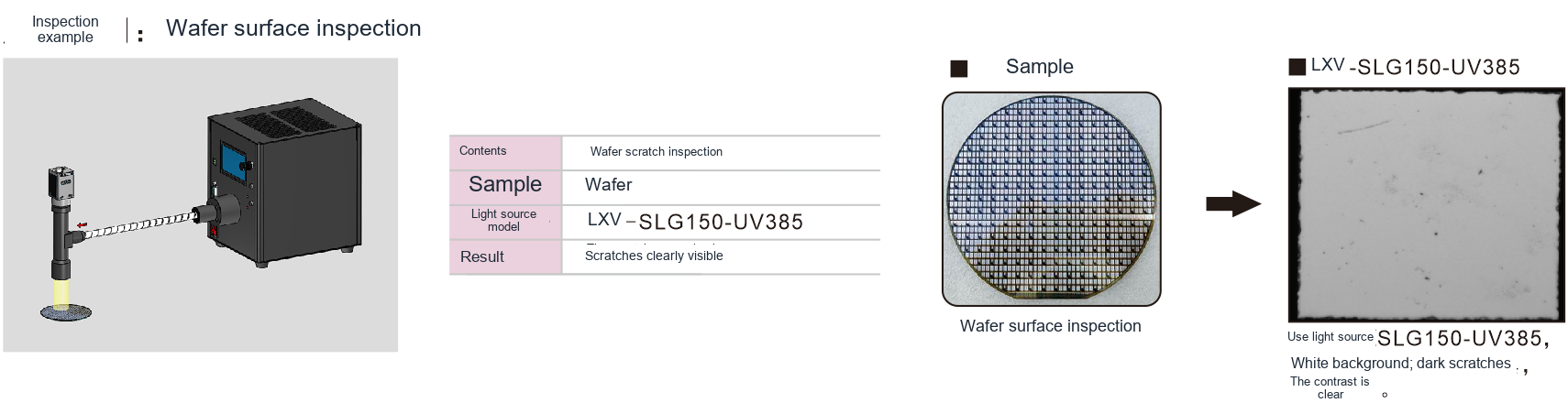
What do the optical setup and sample images show?