
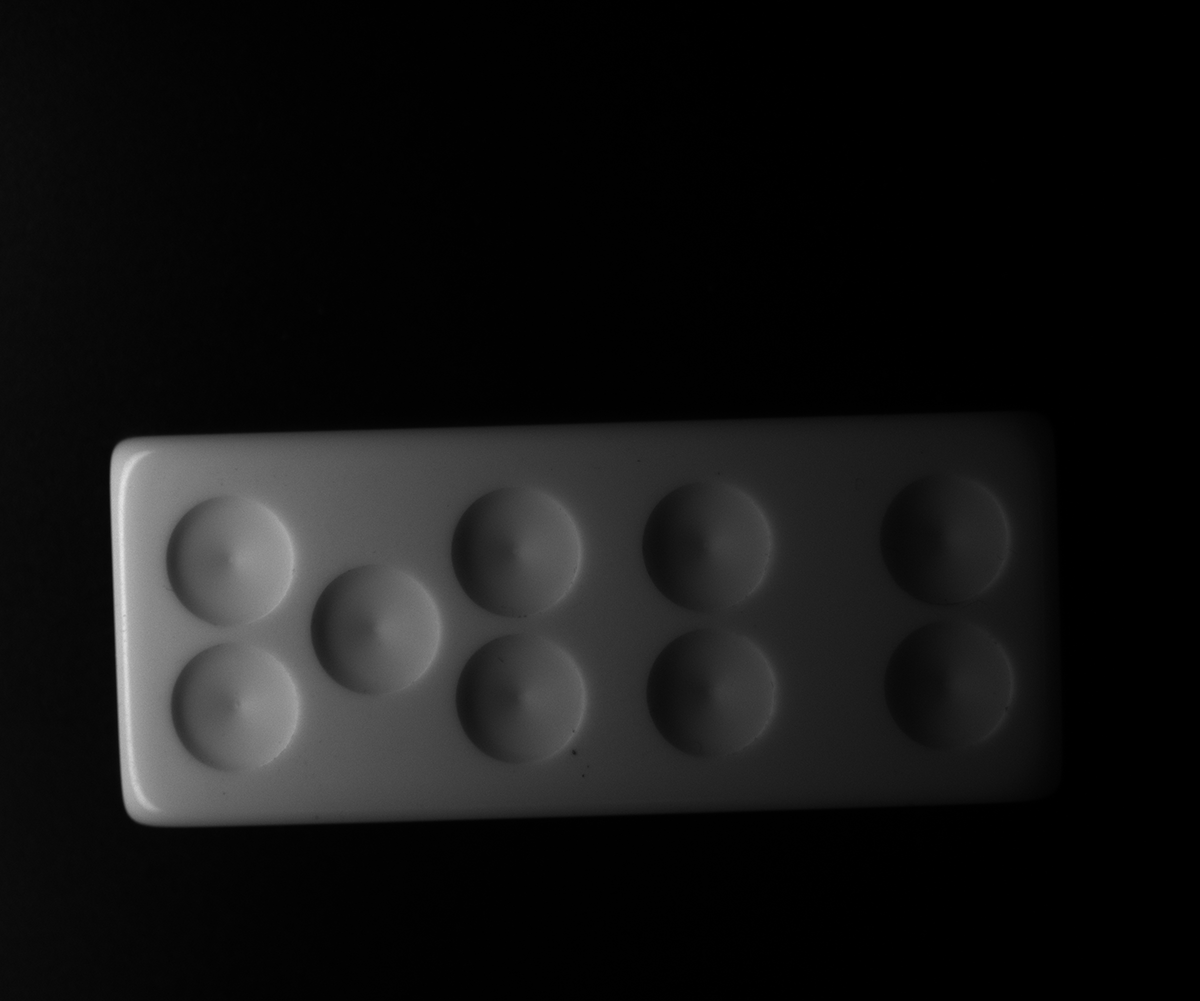
Feature:
1. Multi-zone lighting: Traditional light sources often operate with uniform illumination, while multi-zone lighting divides the light source into multiple zones, allowing each zone to be illuminated independently. This provides more precise control for machine vision systems, ensuring optimal visual inspection results.
2. Multi-directional lighting: In many cases, simultaneous illumination from two directions is required to achieve the desired effect. The four-zone lighting solution provides a comprehensive solution, facilitating a more comprehensive analysis and evaluation of the inspection object.
Application:
1. Surface Bump Detection: In the electronics manufacturing, automotive industry, and other fields, multi-zone lighting can help you detect tiny bumps and bumps on product surfaces.
2. Background Defect Detection: When faced with complex backgrounds, multi-zone lighting can highlight the defects of interest, minimize background interference, and improve defect detection accuracy.
3. Character Reading: Whether you need to read characters in the packaging industry, logistics centers, or other fields, the multi-directional lighting of multi-zone lighting can enhance character clarity and provide a higher character reading success rate.
4. Working with Photometric Stereo Algorithms: Our multi-zone lighting works seamlessly with photometric stereo algorithms to provide advanced visual inspection solutions, ensuring more accurate results in complex inspection scenarios.
Imaging instance:
1.Pai Gow point recognition
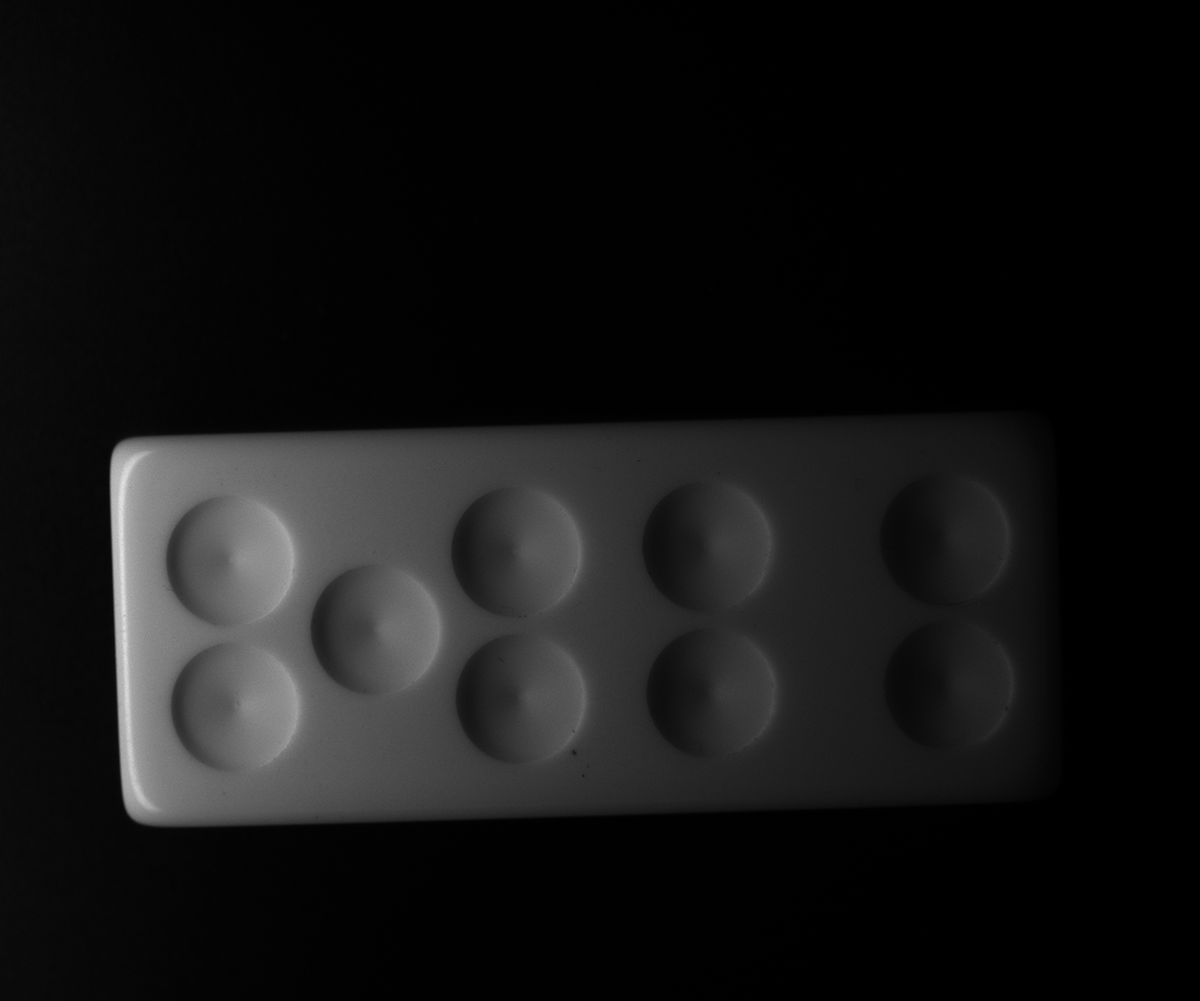 Effect of the first zone
 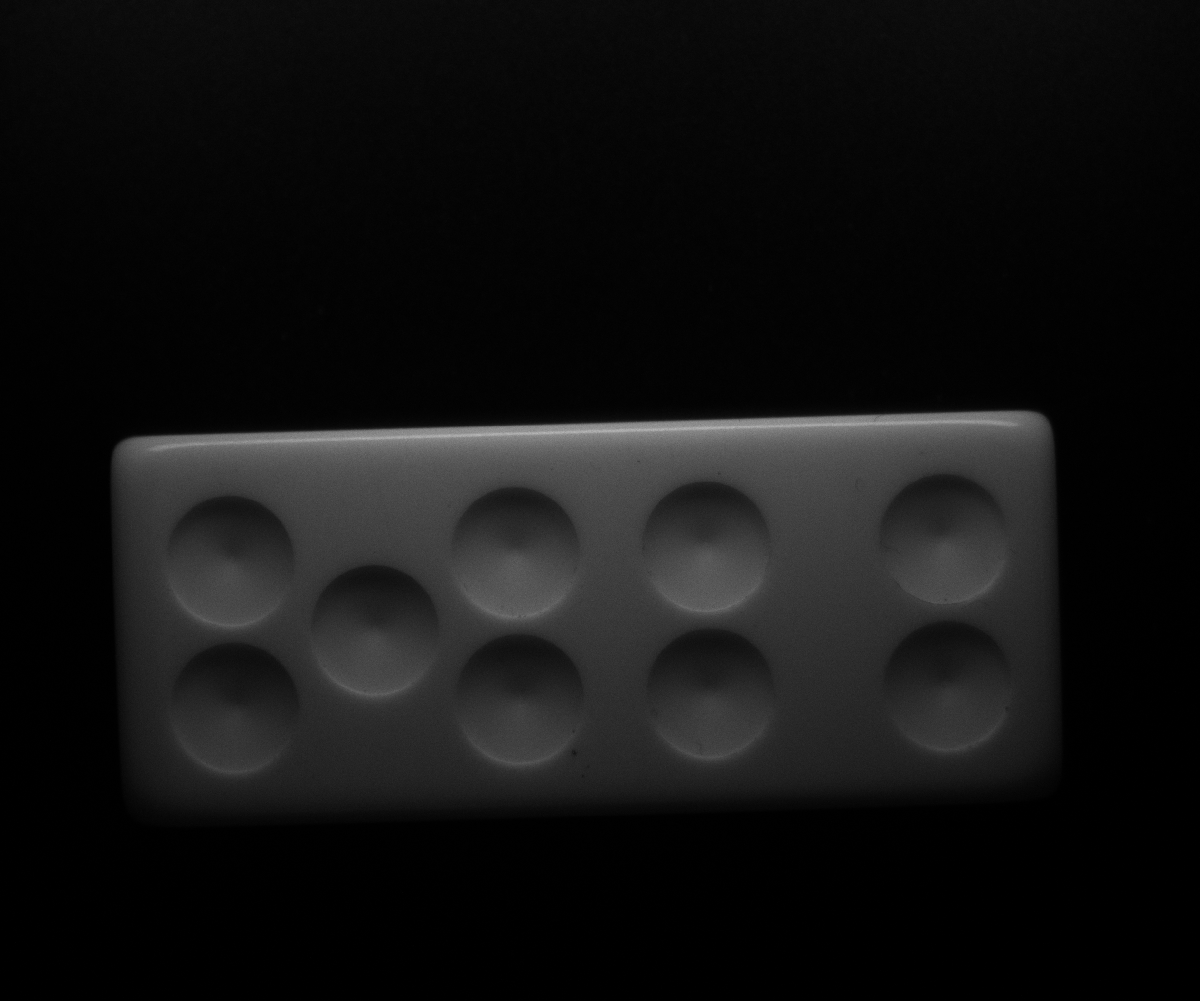 Effect of the second zone
 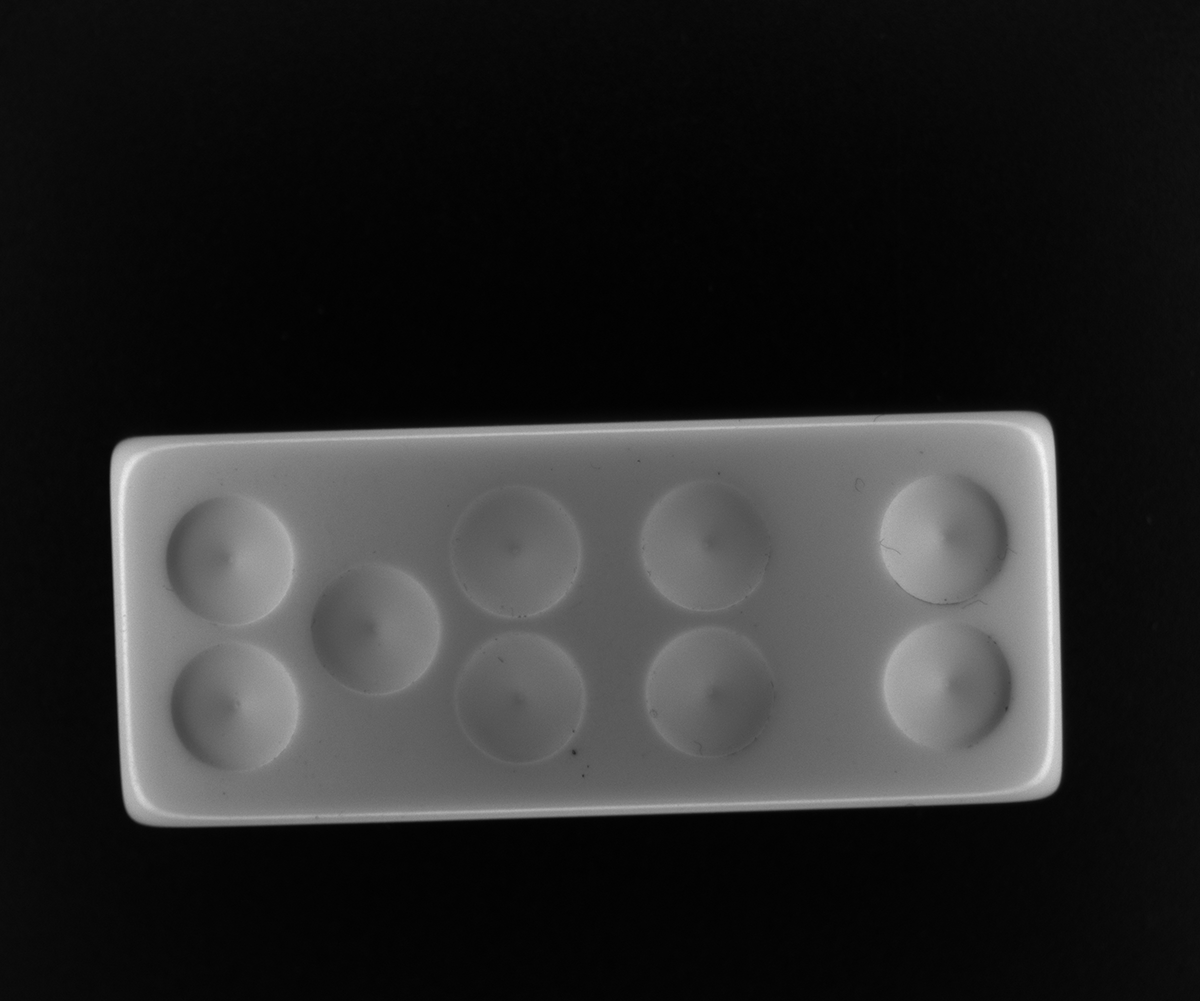 All effects of all zones
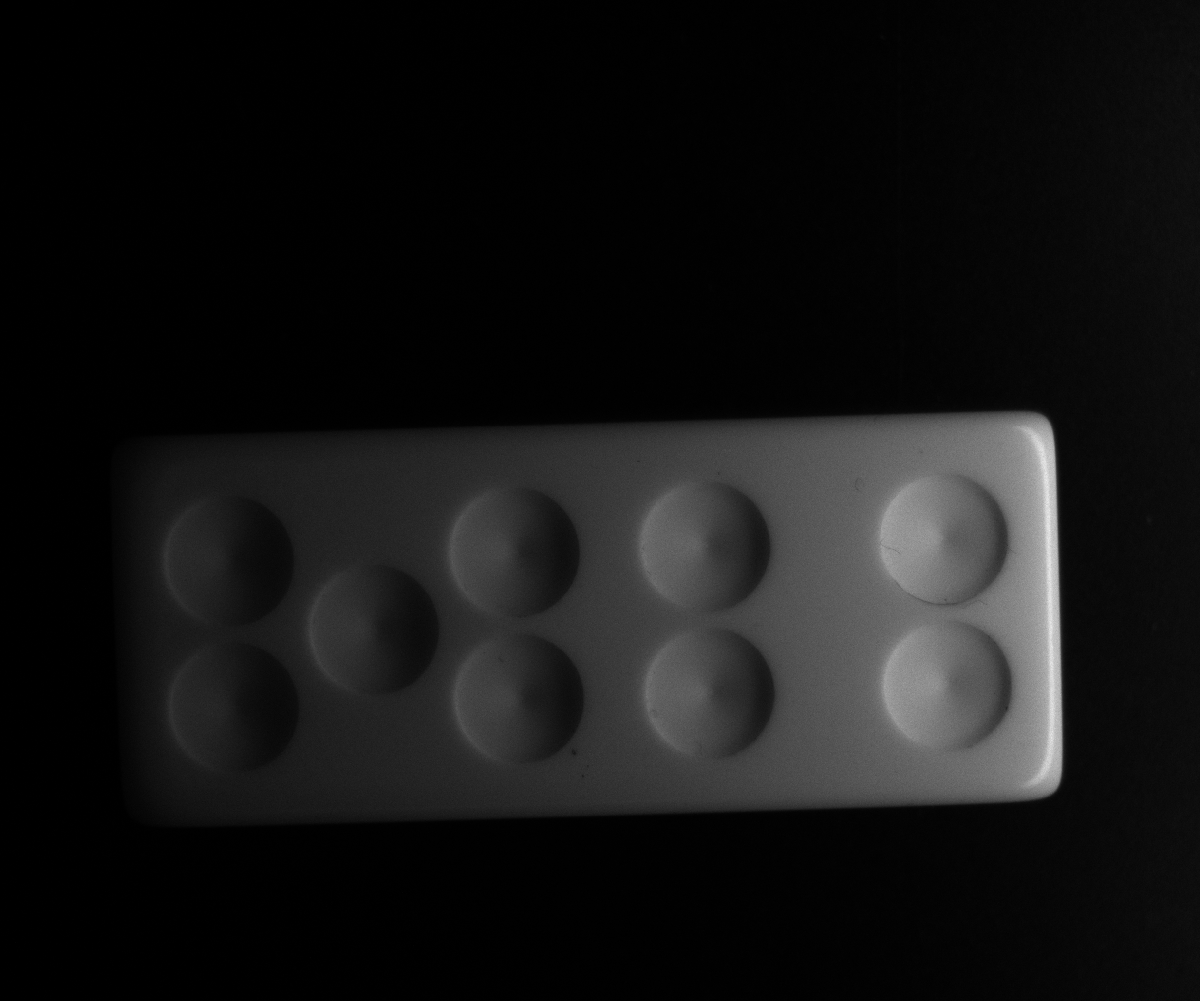 Effects of the third zone
 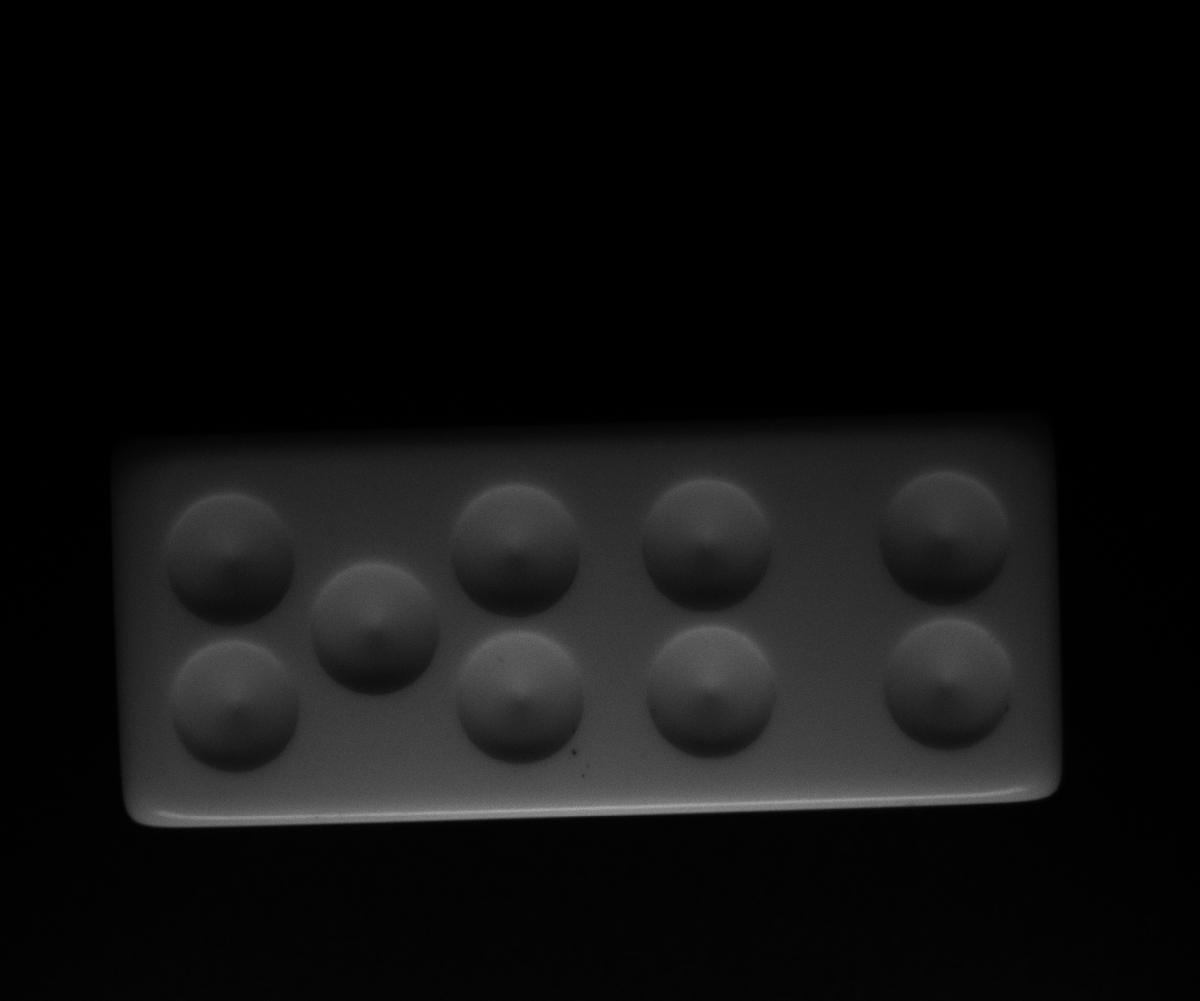 Effects of the fourth zone
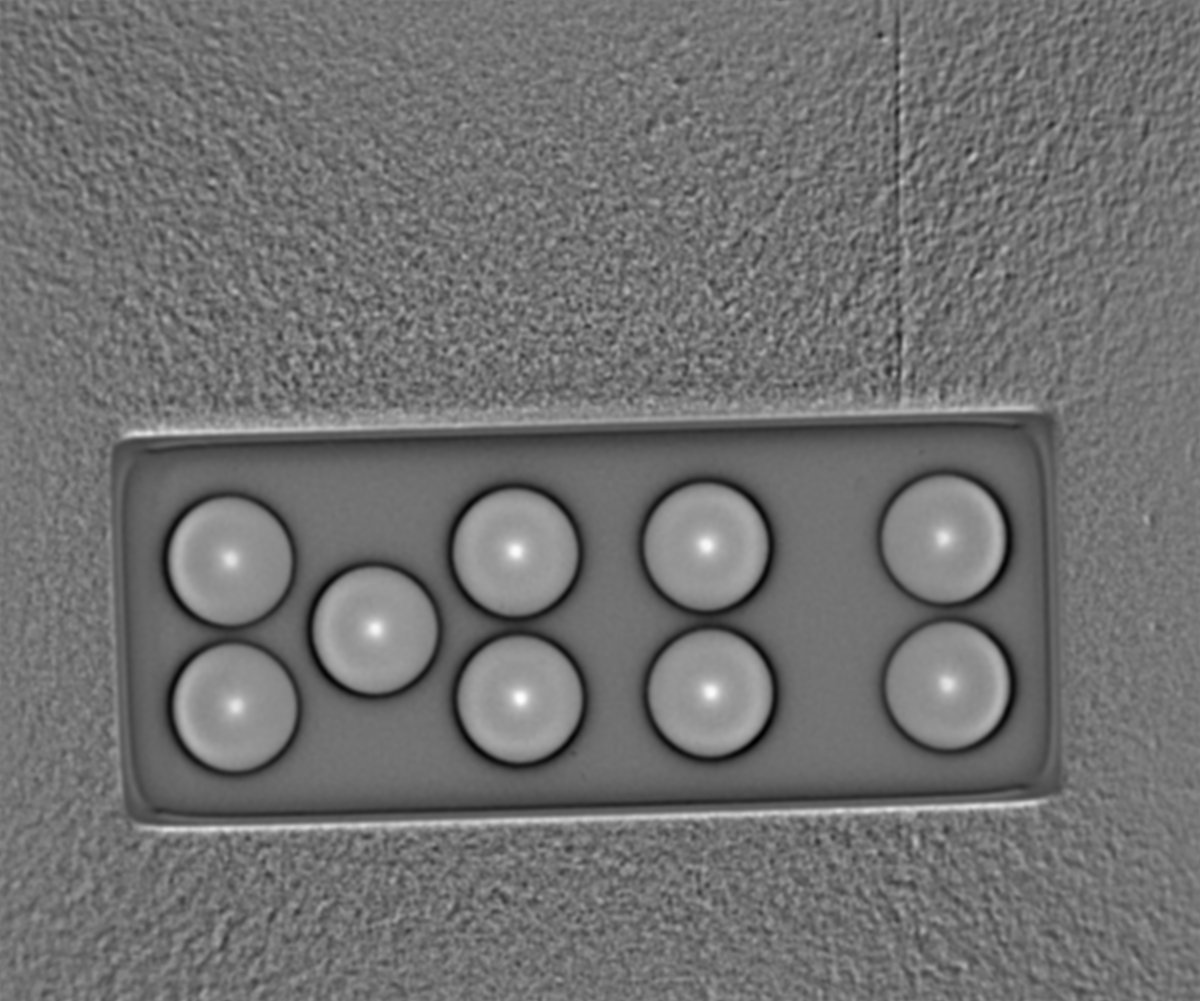 Effect after software processing of all zones
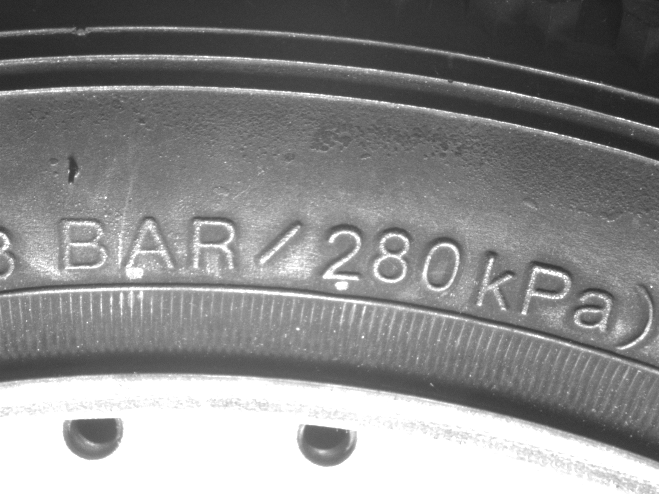
2.Tire character recognition
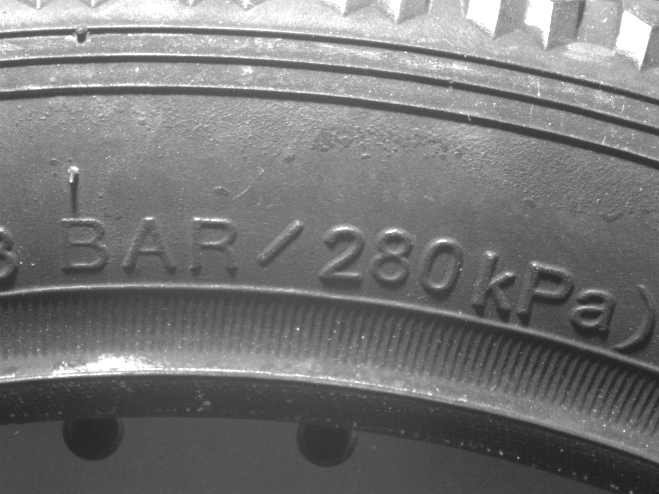 Effect of the first zone
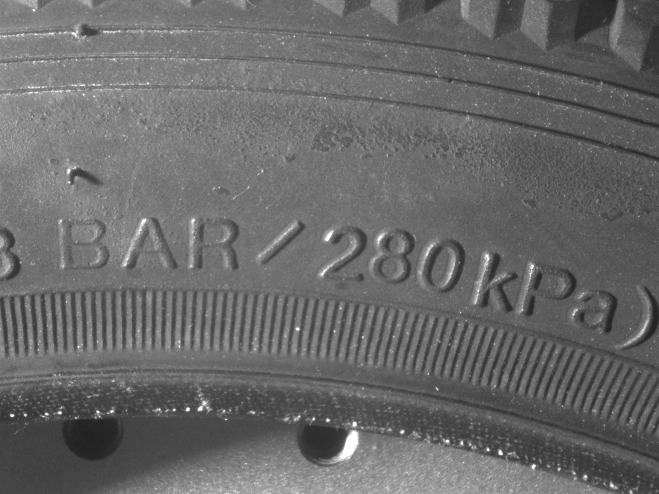
  Effect of the second zone
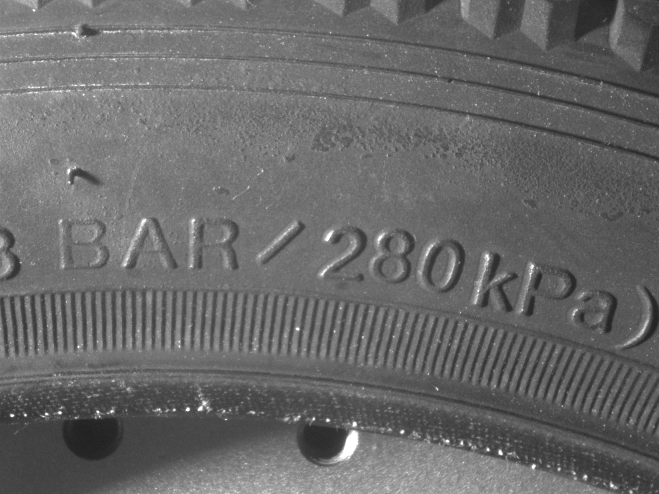
  All effects of all zones
 Effects of the third zone
 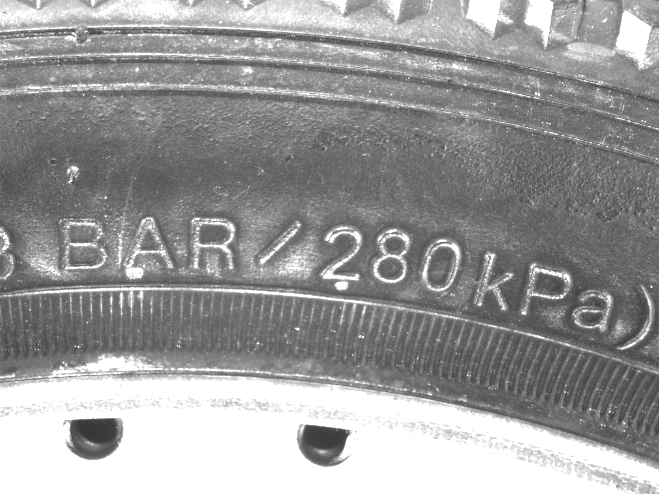 Effects of the fourth zone
 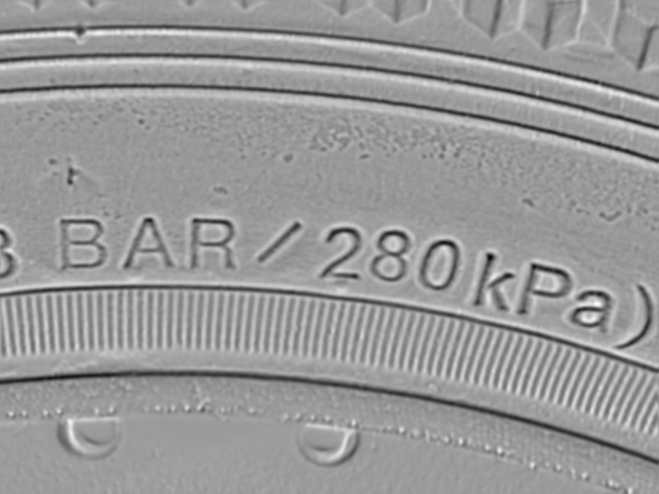 Effect after software processing of all zones
3.Metal pit detection
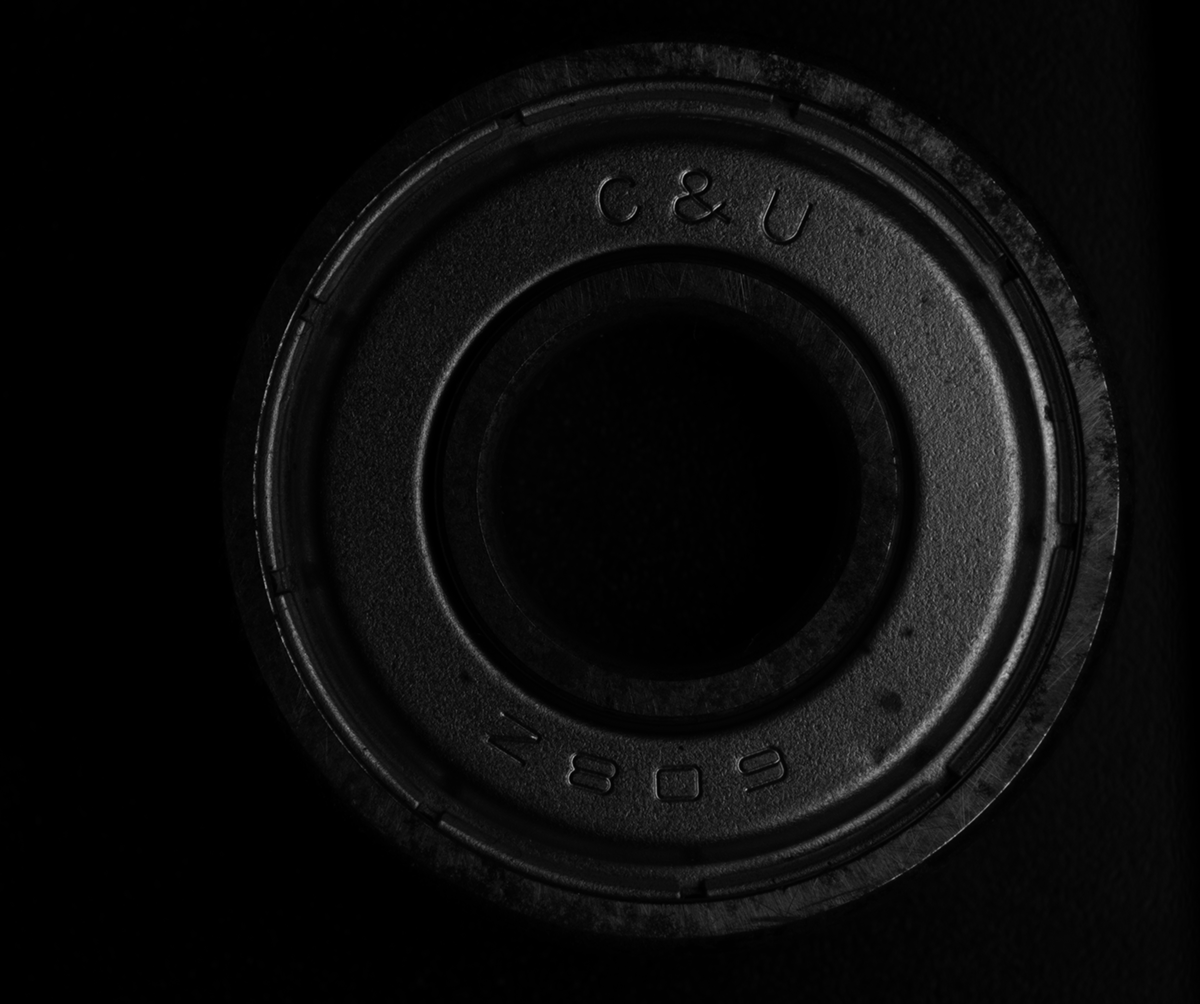 Effect of the first zone
 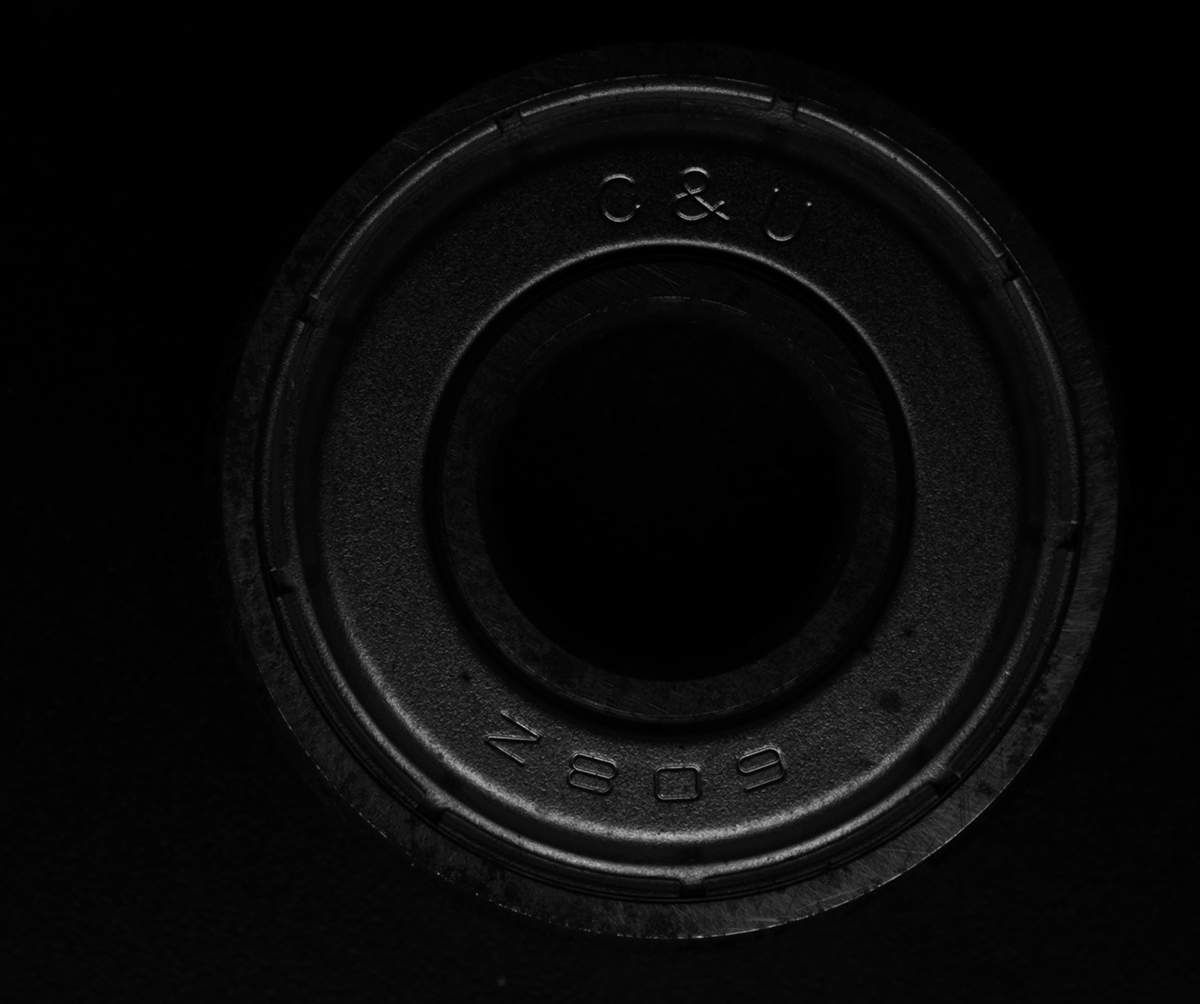 Effect of the second zone
 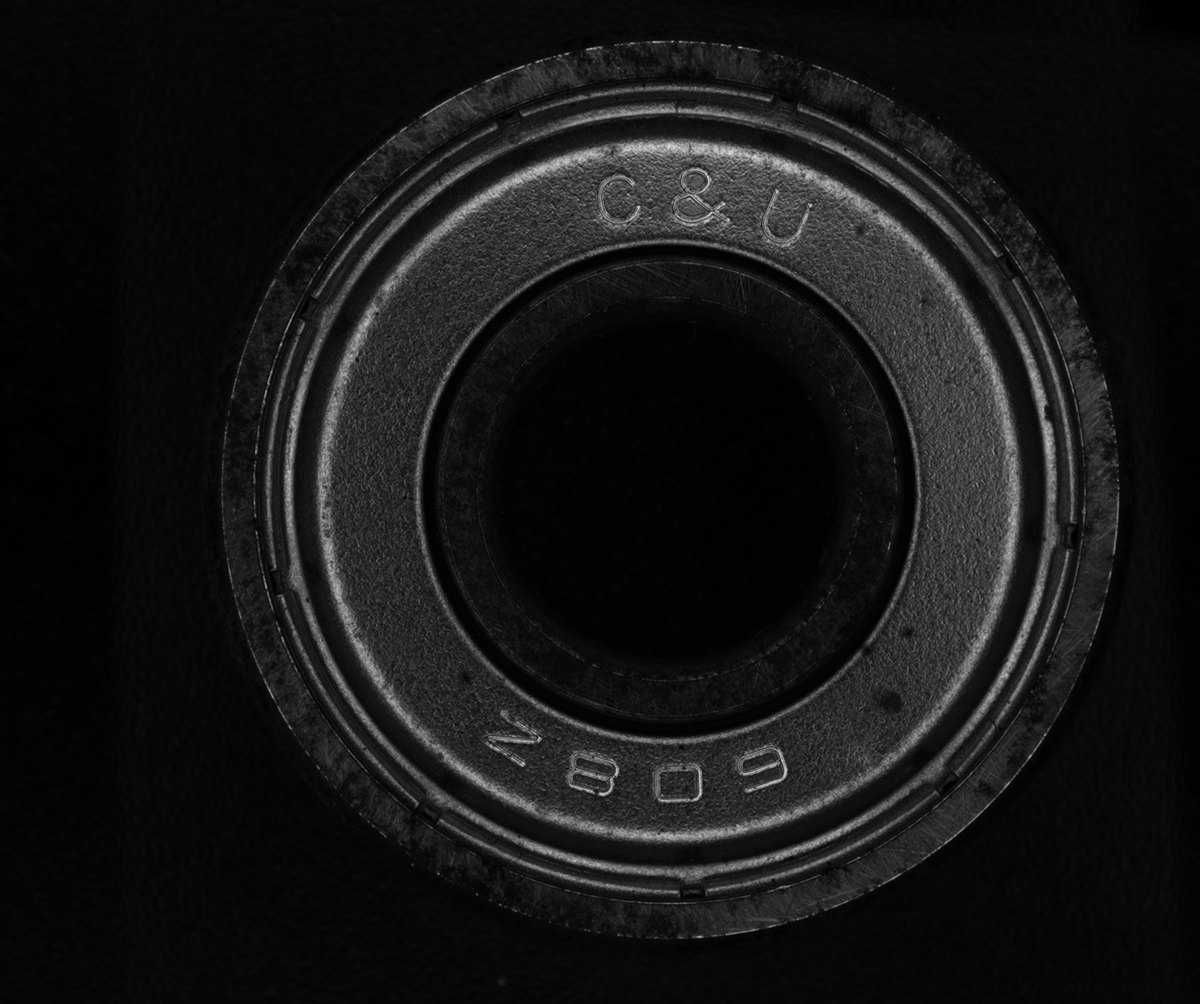 All effects of all zones
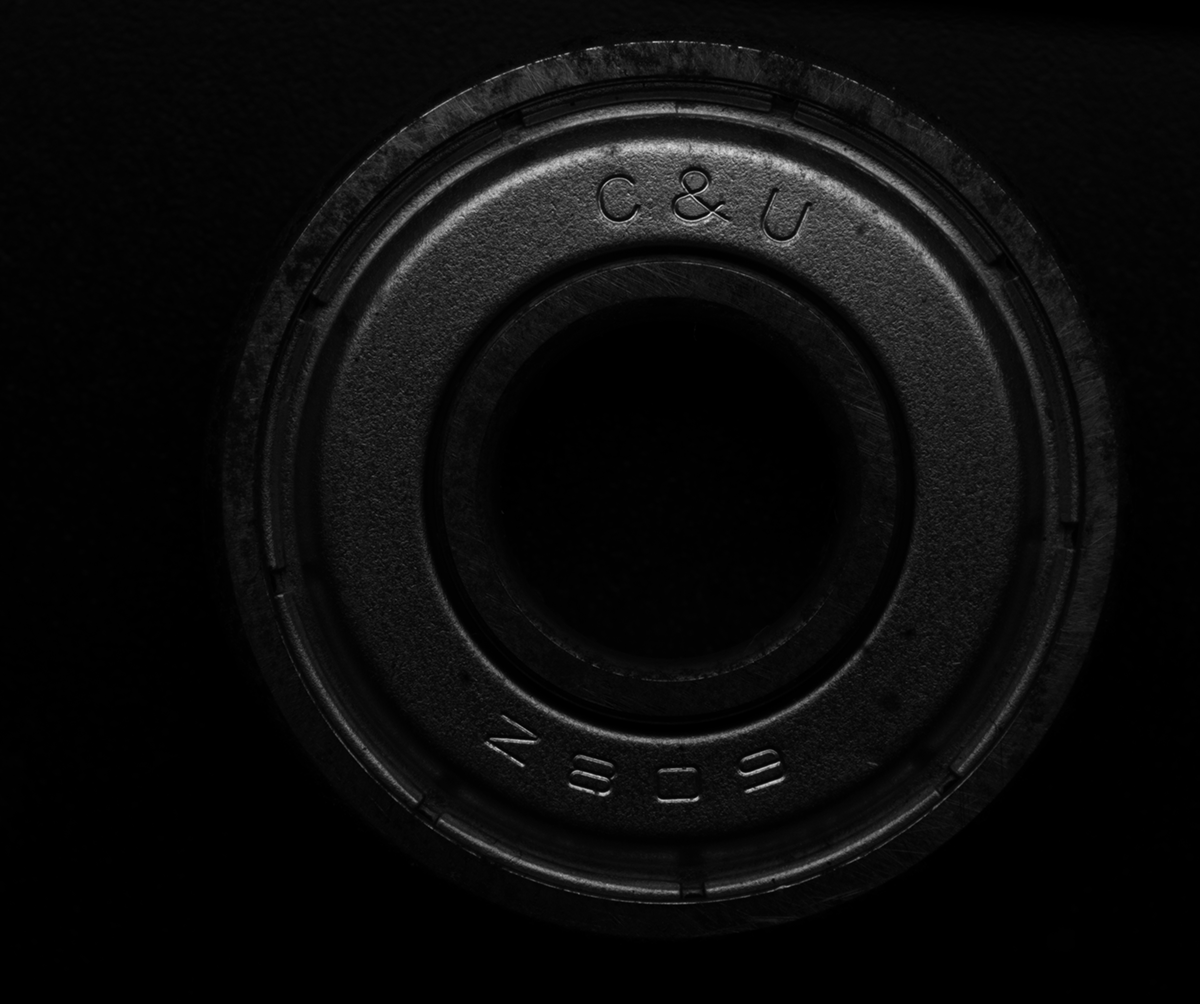 Effects of the third zone
 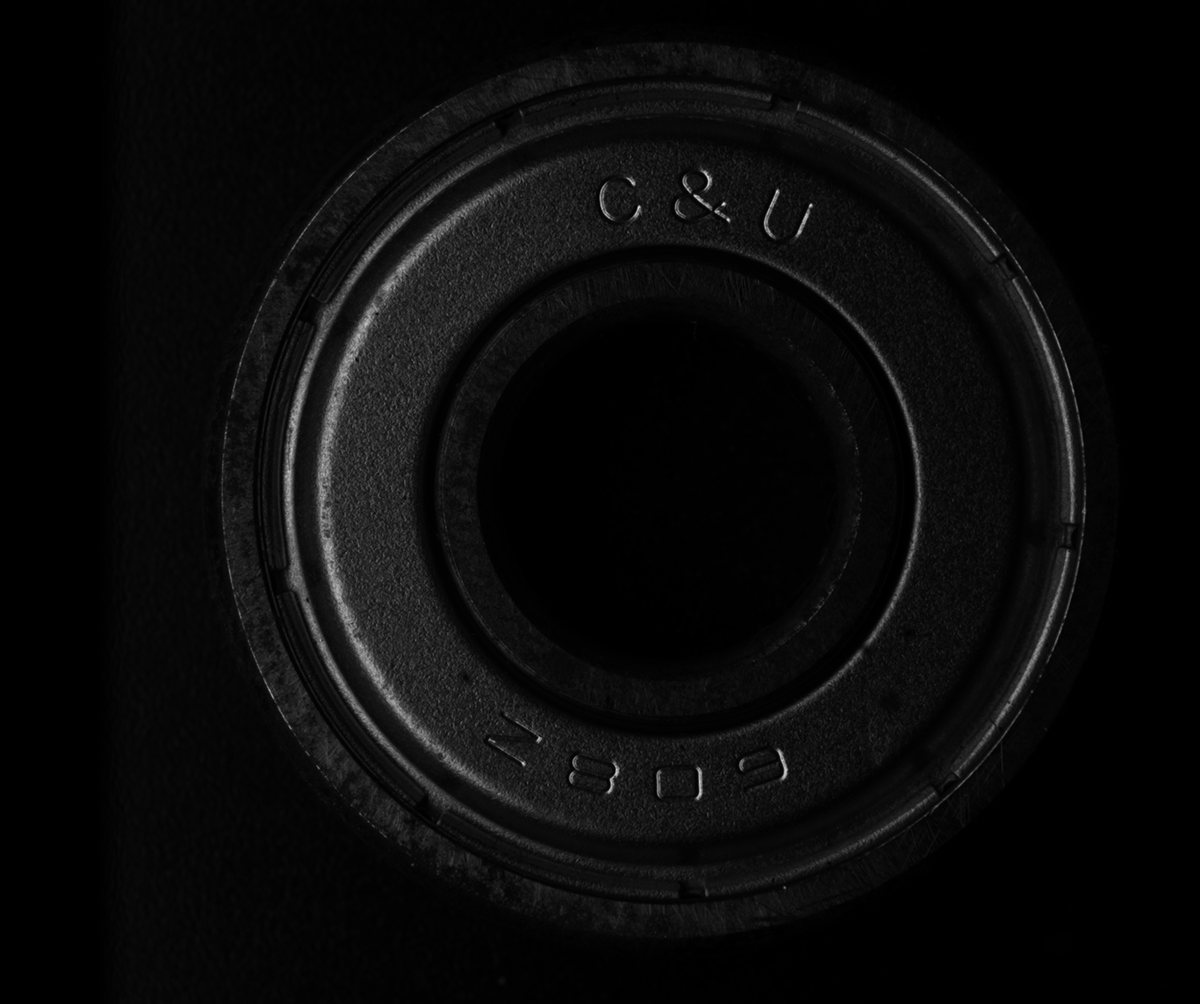 Effects of the fourth zone
 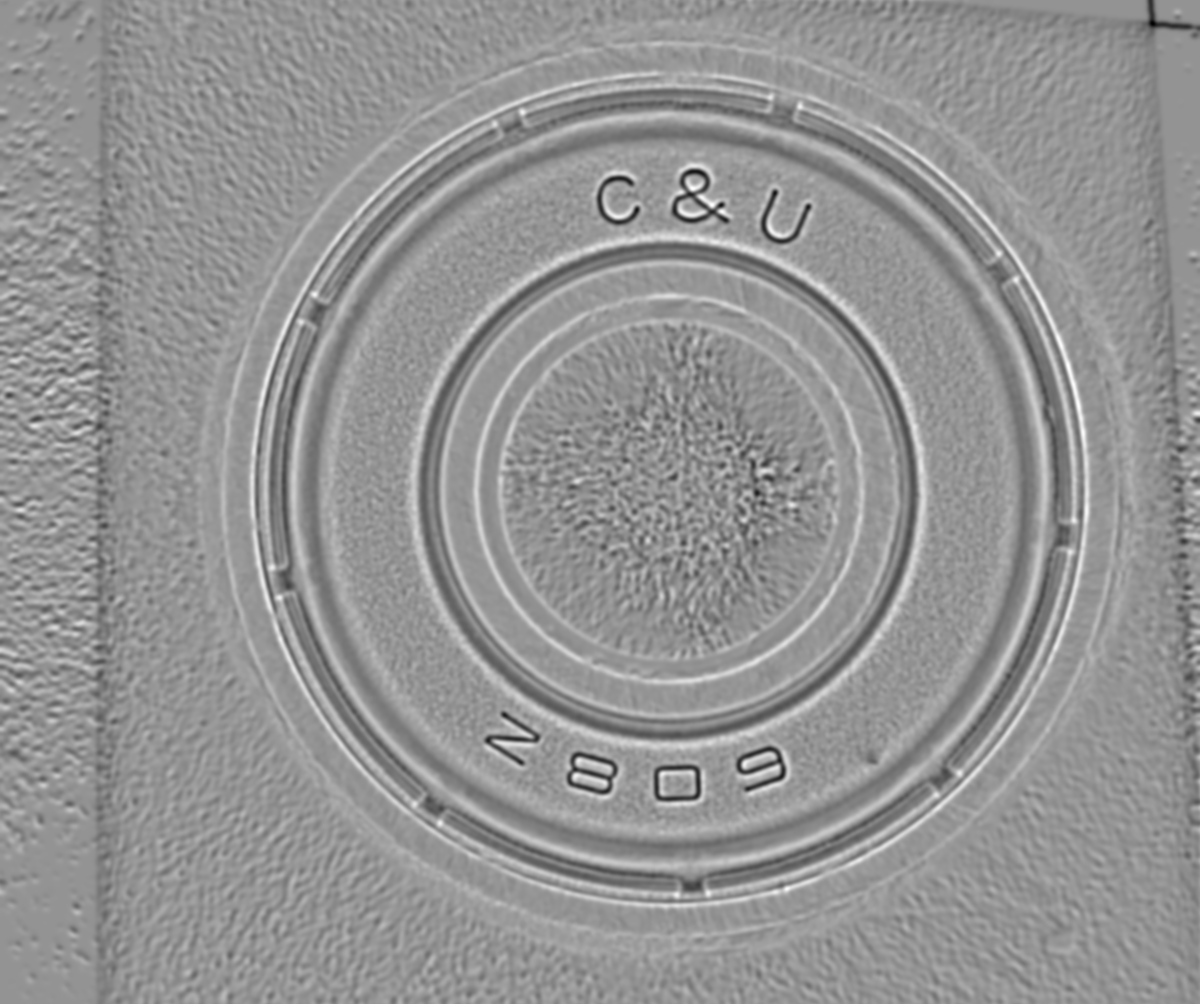 Effect after software processing of all zones
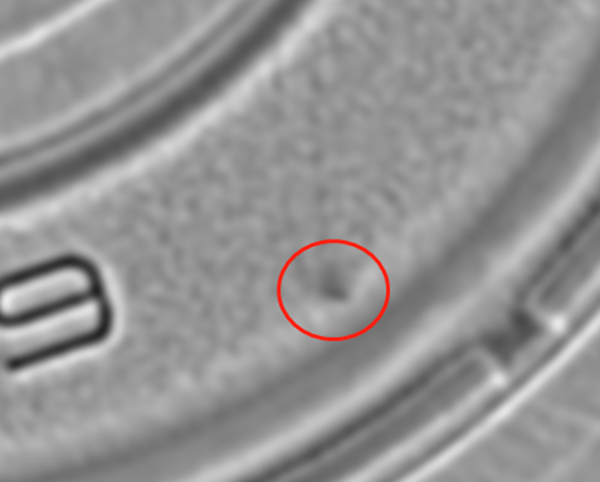 Detailed image of the effect of all zones
 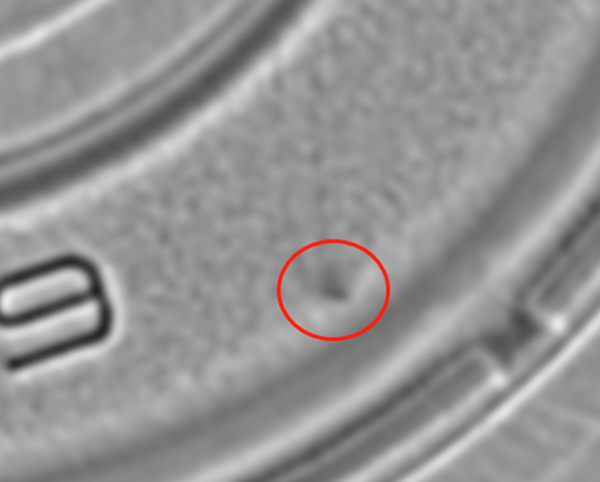 Detailed image of the effect of all zones after software processing