What inspection variables should be evaluated?
Separate markings, outlines, bond wires and surface defects into distinct tasks before deciding which lighting arrangements can share a station.
What lighting geometry fits this inspection task?
Break the task into observable features such as outline, surface, lettering or colour before choosing illumination. Camera, lens, light, motion and processing work together; more brightness alone may not improve recognition.
Prepare good parts covering normal variation and confirmed defective samples. Compare lighting directions under controlled exposure. Record difficult defects and textures that cause false detections, then validate at the real cycle time. Base the selection on representative conditions rather than a single ideal image.
Related product family?
LXV-AOI
Lighting for inspecting shapes, surfaces and small details.
Before choosing a configuration?
For selection, specify the field of view, smallest target feature, height variation, cycle time and installation space. Use the specific product page and drawing to verify electrical ratings, dimensions and compatibility.
Assigning lighting states to inspection tasks?
List the checks required at the station: presence, position, surface damage, markings and bonding features. Match a lighting state to each contrast requirement. Combining illumination is useful when one state cannot reveal every target reliably.
Validate each state with known good and defective samples. Record light channels and camera settings as a single sequence. Confirm that added exposures fit the cycle time and that the machine associates each image with the correct inspection.
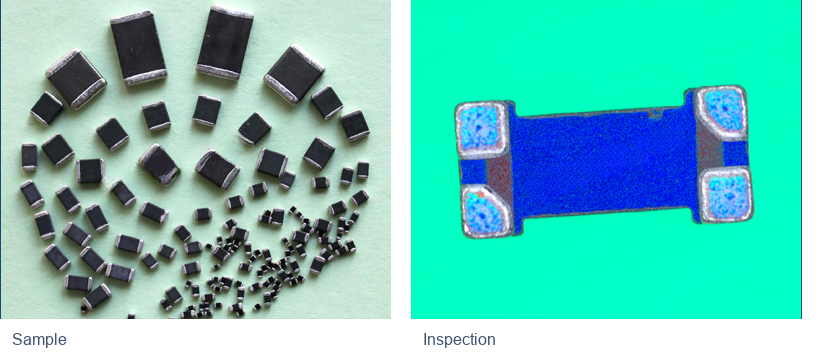
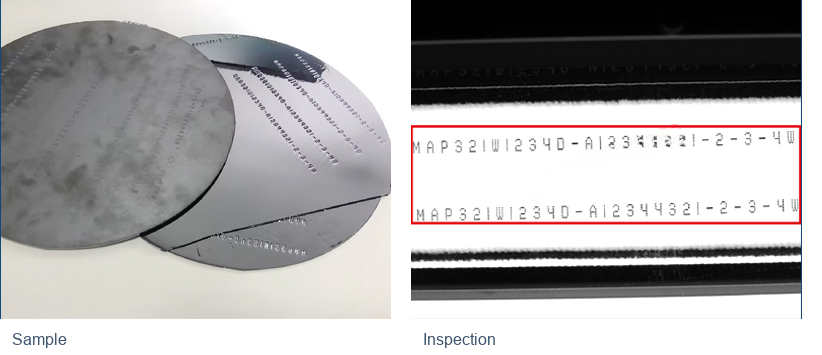
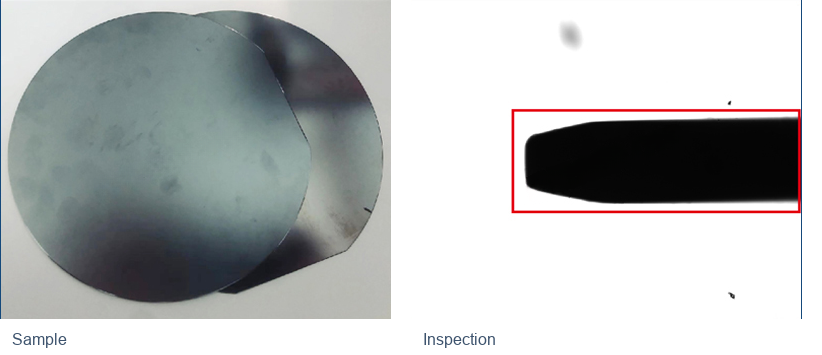
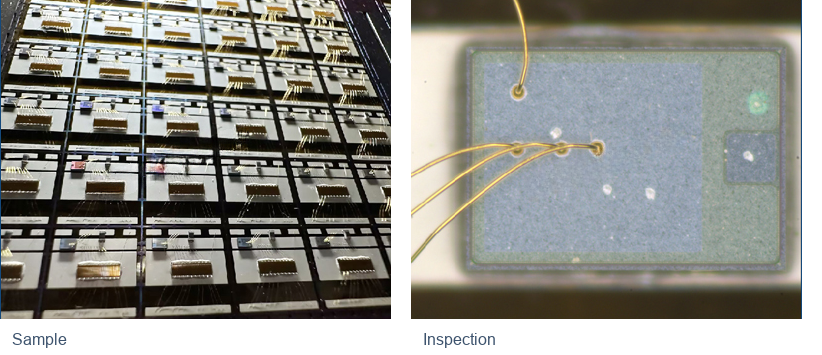
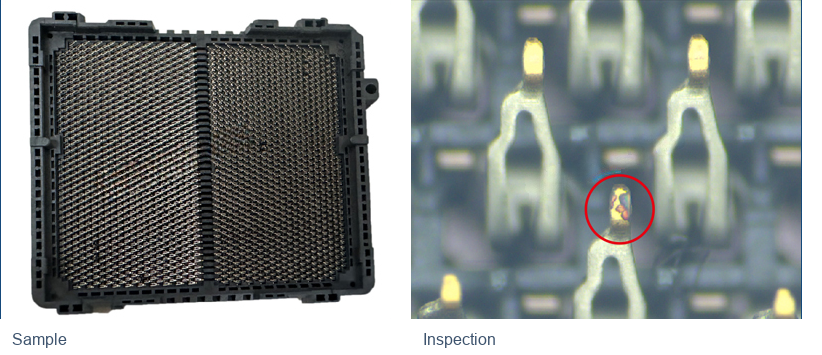
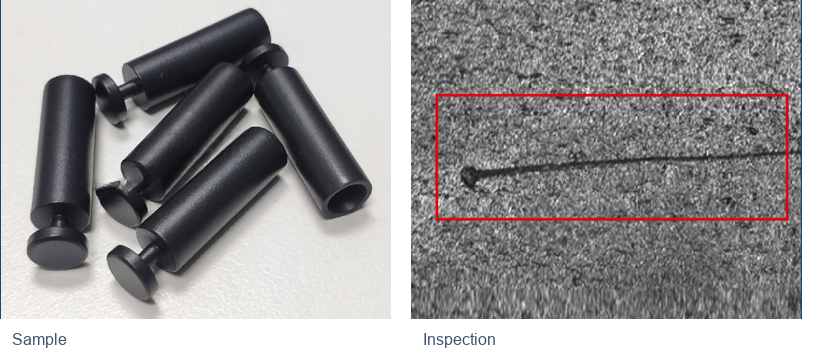
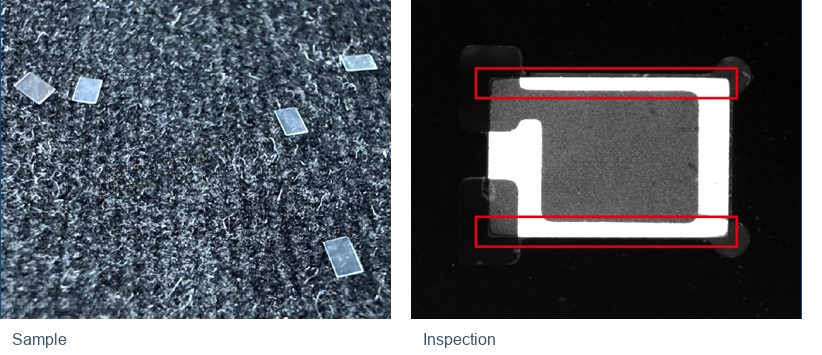
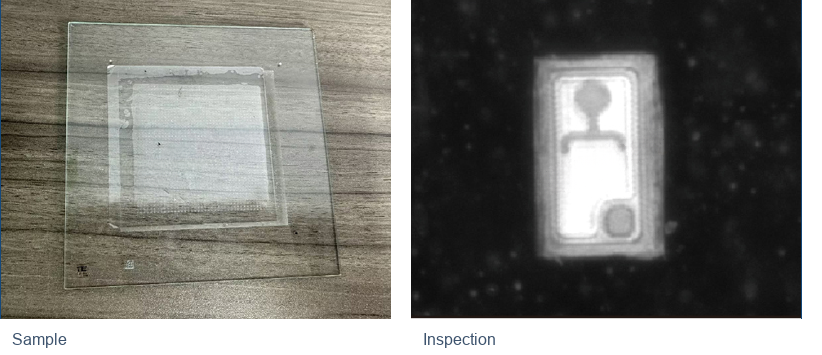
What do the optical setup and sample images show?