What inspection variables should be evaluated?
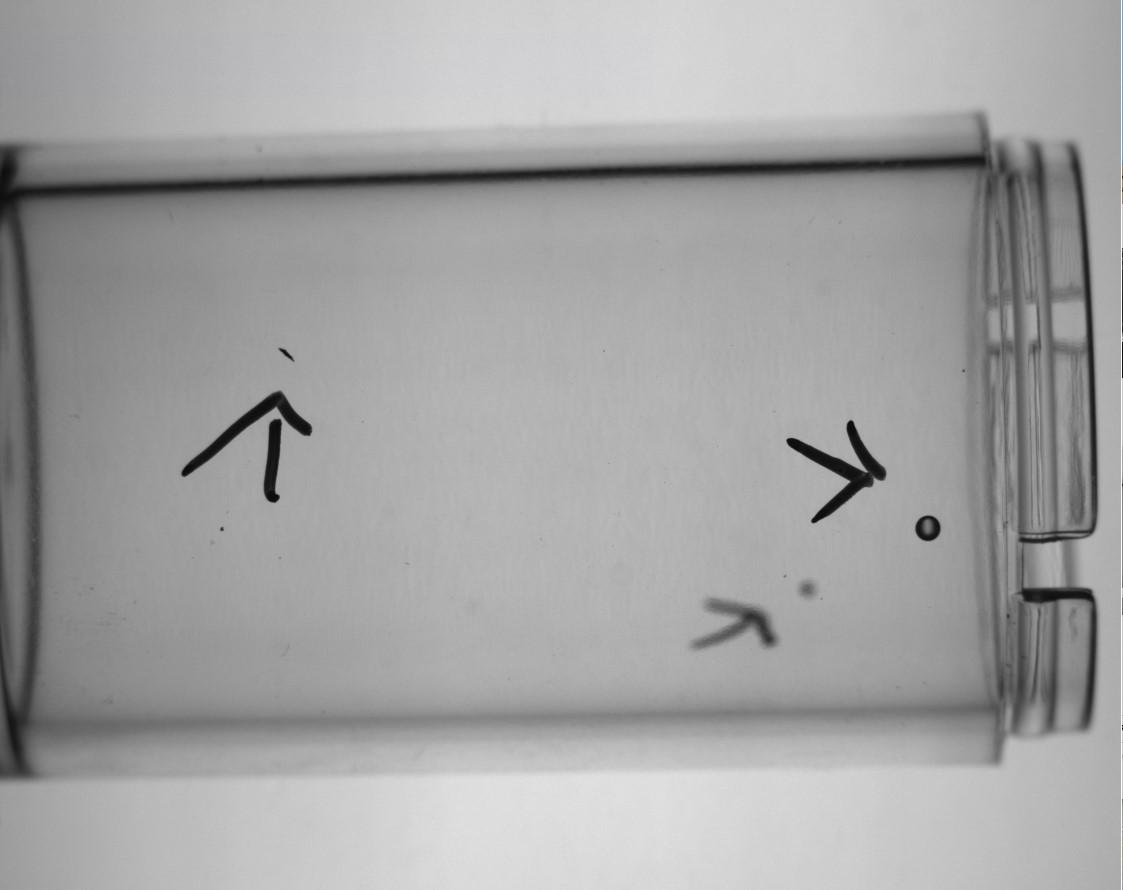
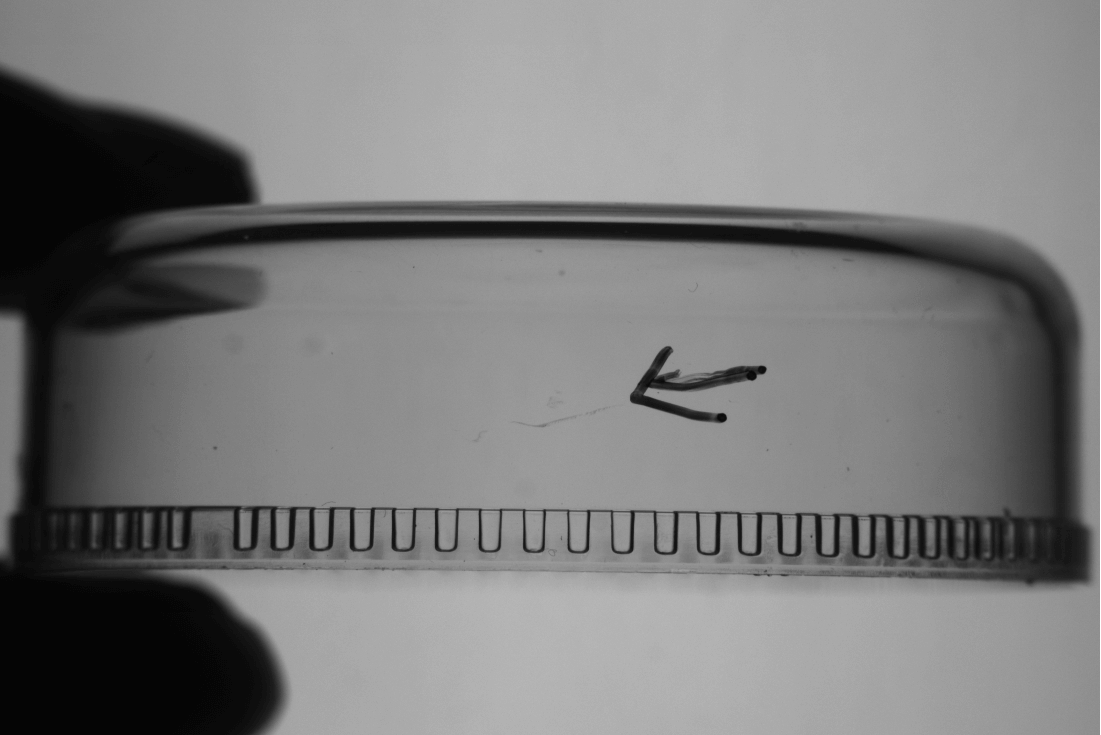
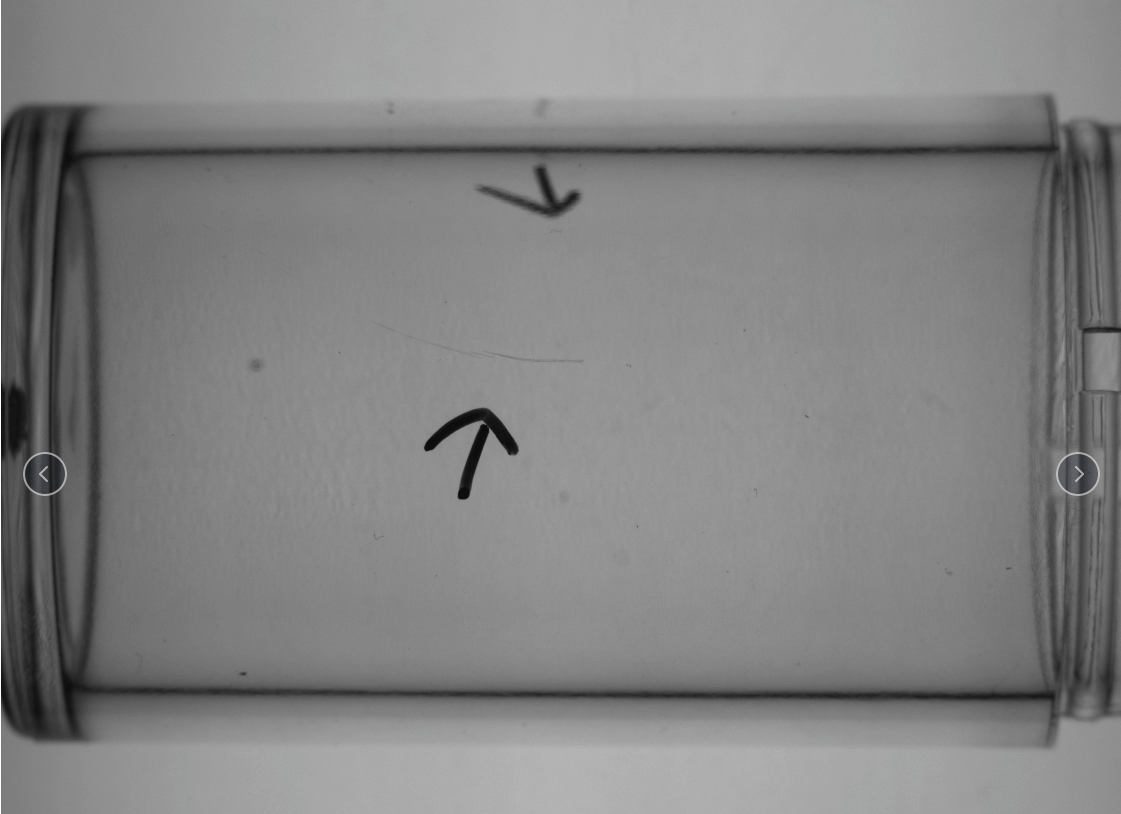
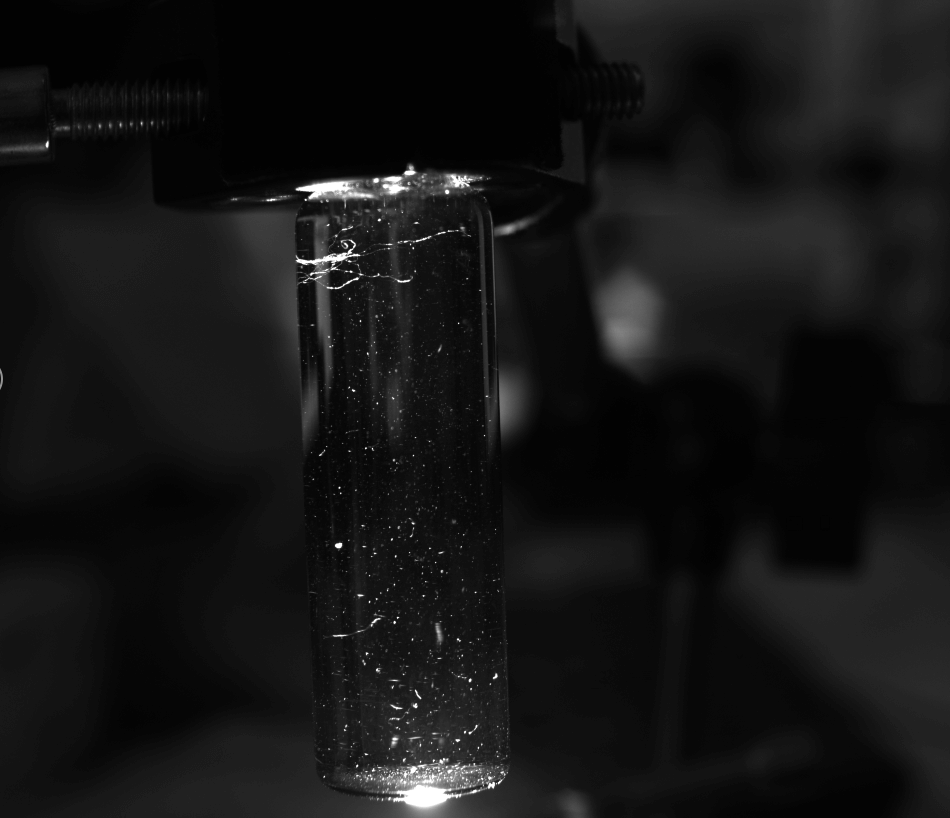
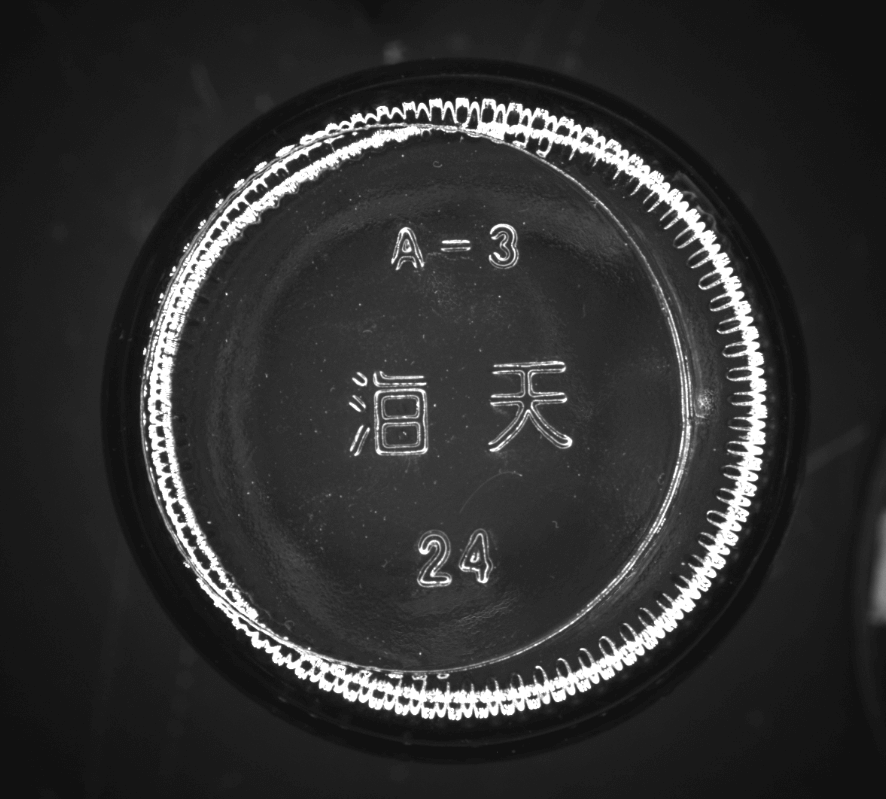
Bottle walls, mouths and bases differ in curvature and thickness. Use appropriate views to prevent refracted highlights hiding defects.
What lighting geometry fits this inspection task?
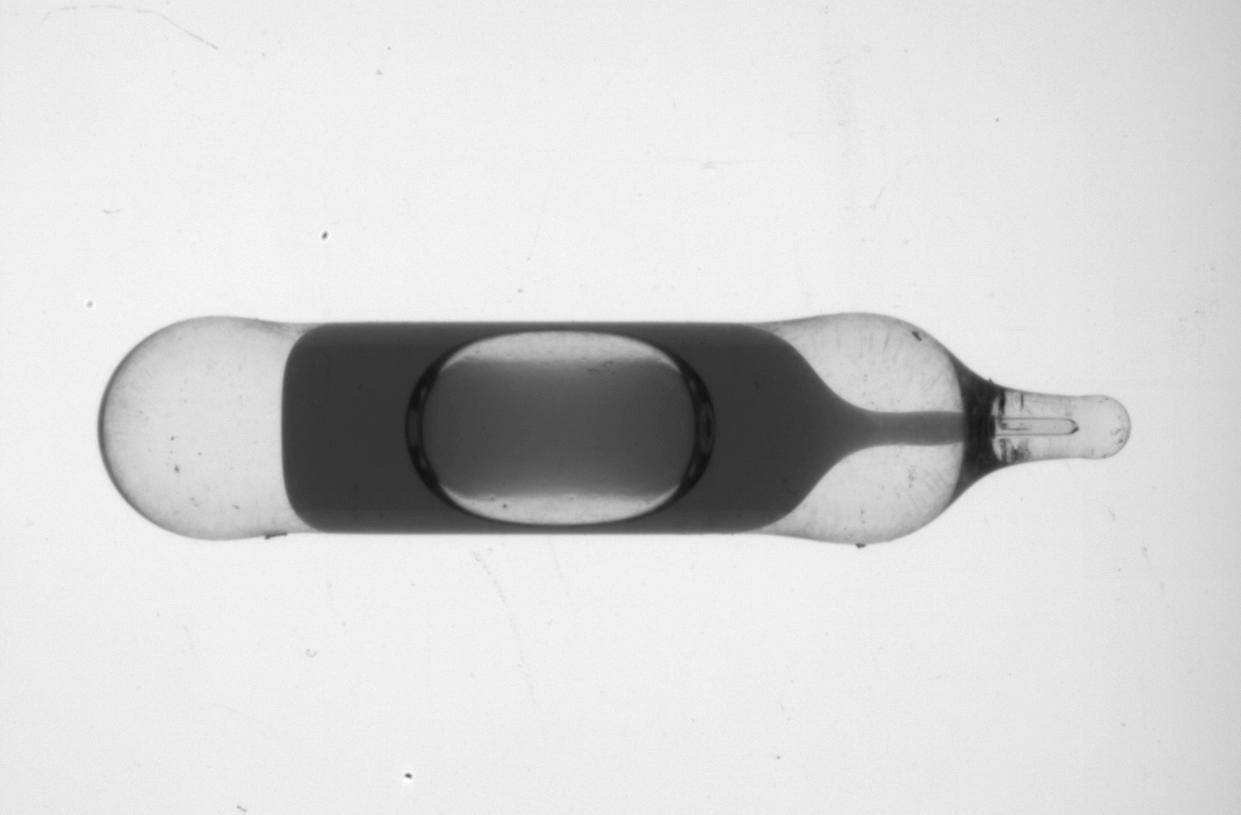
Backlighting separates an outline from its background and is a useful starting point for edges, holes and position checks. Confirm that the fixture leaves the optical path clear. Compare diffuse and collimated backlights, especially where curved or transparent edges change with viewing angle.
Keep the camera and lens fixed. Capture the centre and corners at the same exposure, then repeat at different part heights. Check edge profiles and position repeatability. A telecentric lens can reduce magnification changes within its specified range; calibration is still necessary.
Related product family?
LXV-4FT
Lighting for inspecting shapes, surfaces and small details.
Before choosing a configuration?
For selection, specify the field of view, smallest target feature, height variation, cycle time and installation space. Use the specific product page and drawing to verify electrical ratings, dimensions and compatibility.
Separating bottle inspection views?
The wall, mouth and base present different curvature and access conditions. Plan their views separately and evaluate transmission and reflection where appropriate. Include the bottle colour, moulding details and handling fixtures in the trial.
Test clean bottles and known defects at several rotational positions. Check whether embossing or normal glass variation masks the target. Confirm that the selected lighting remains stable at the actual conveyance speed.
What do the optical setup and sample images show?