What inspection variables should be evaluated?
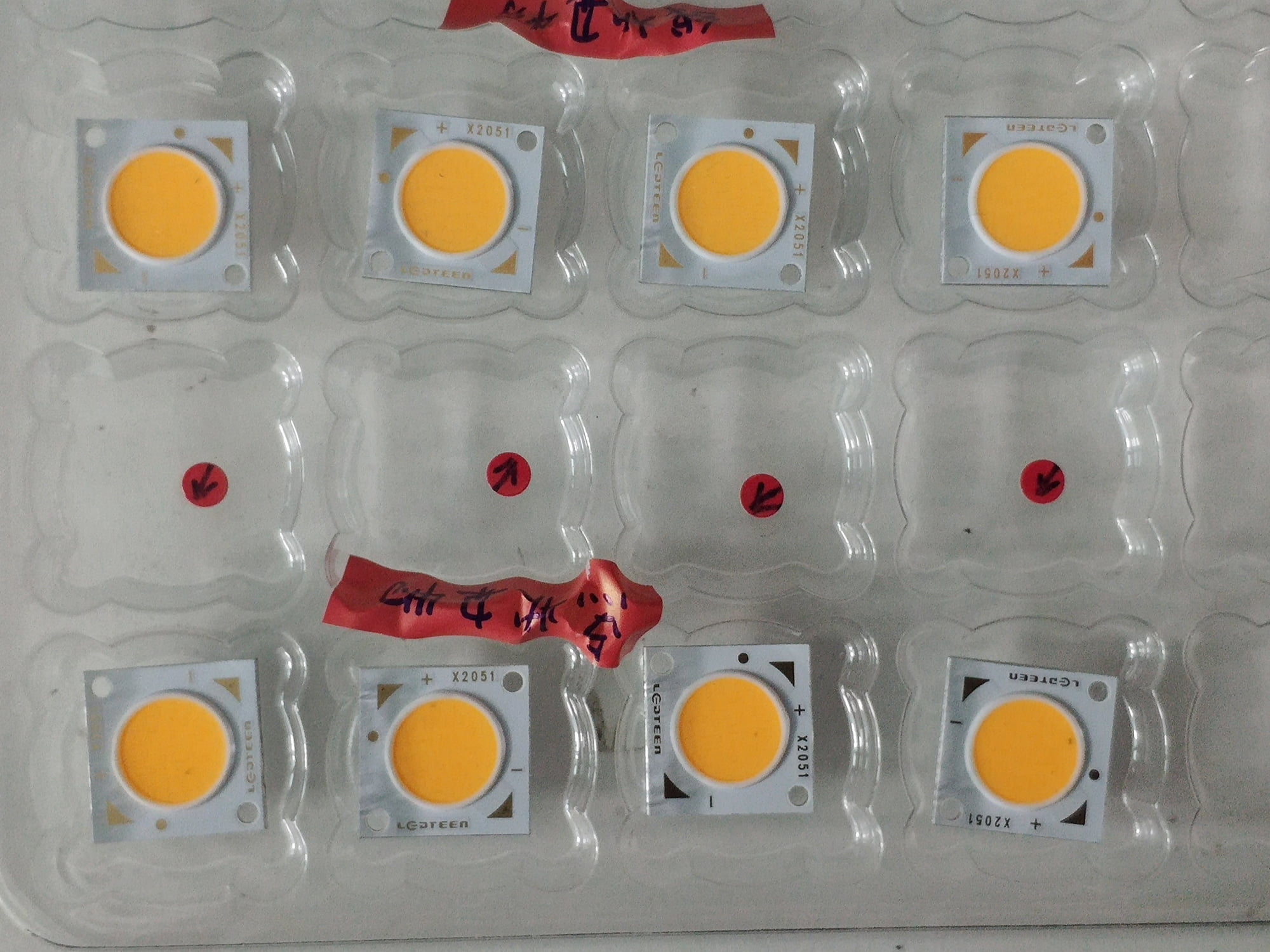
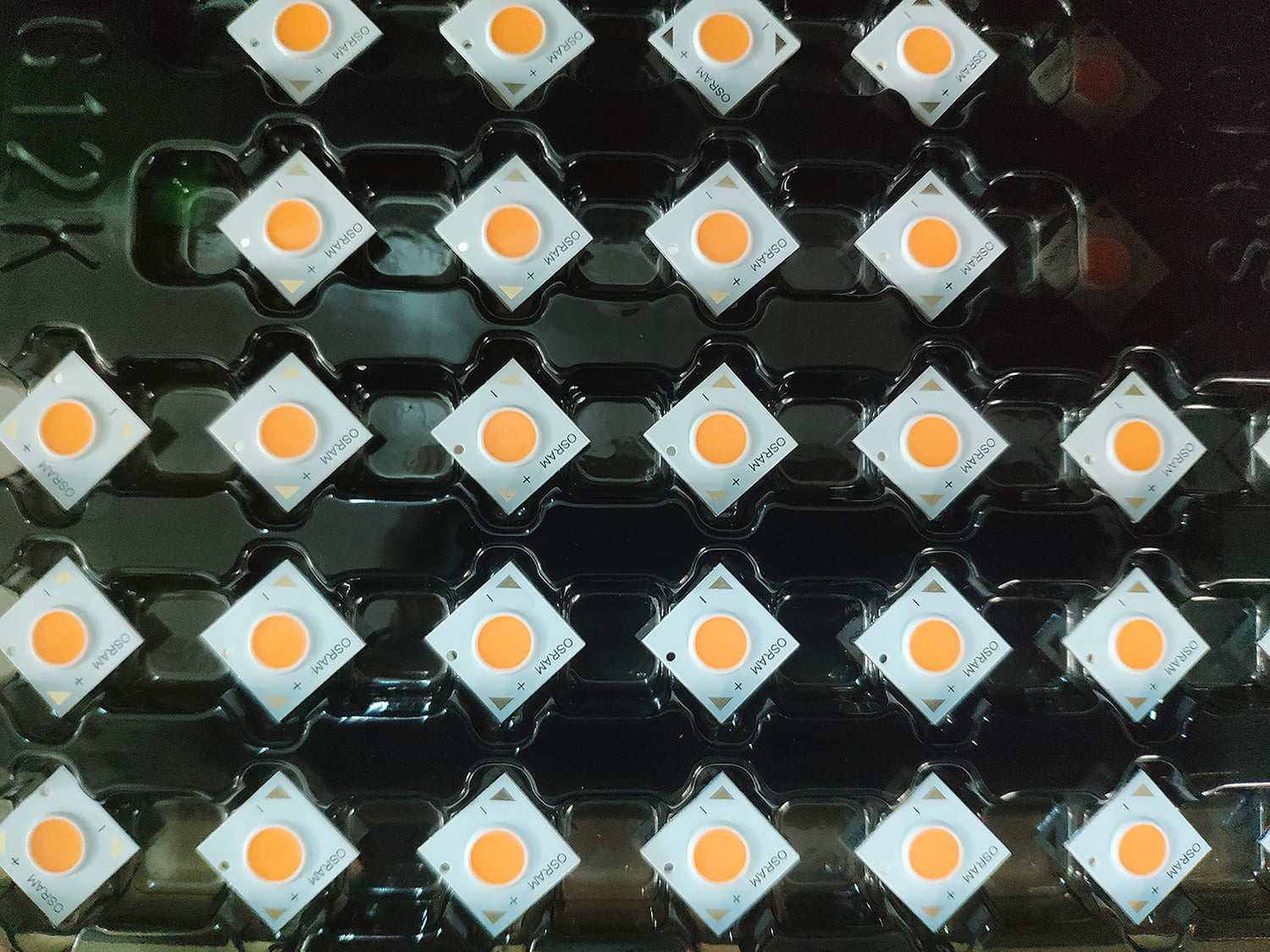
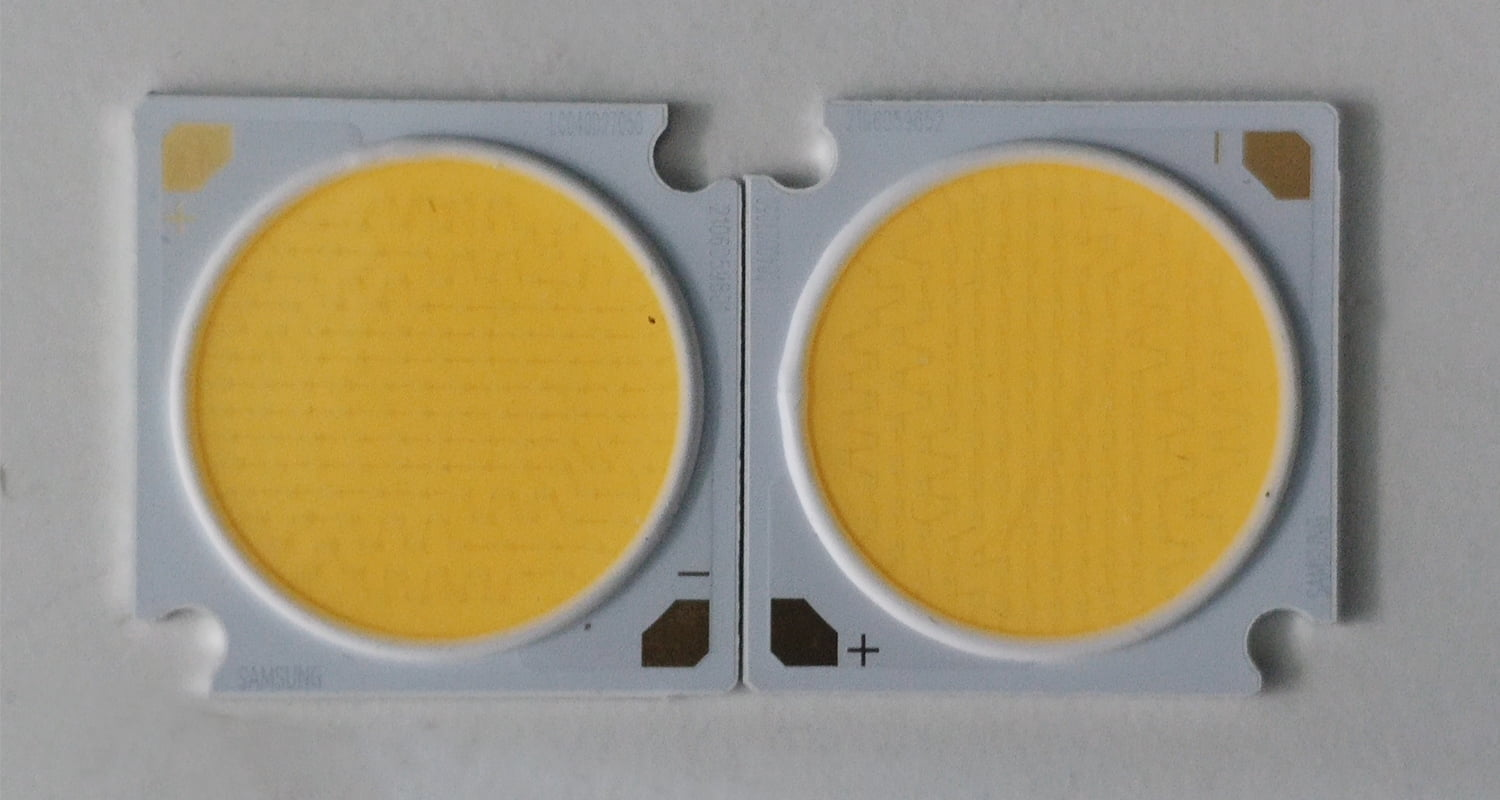
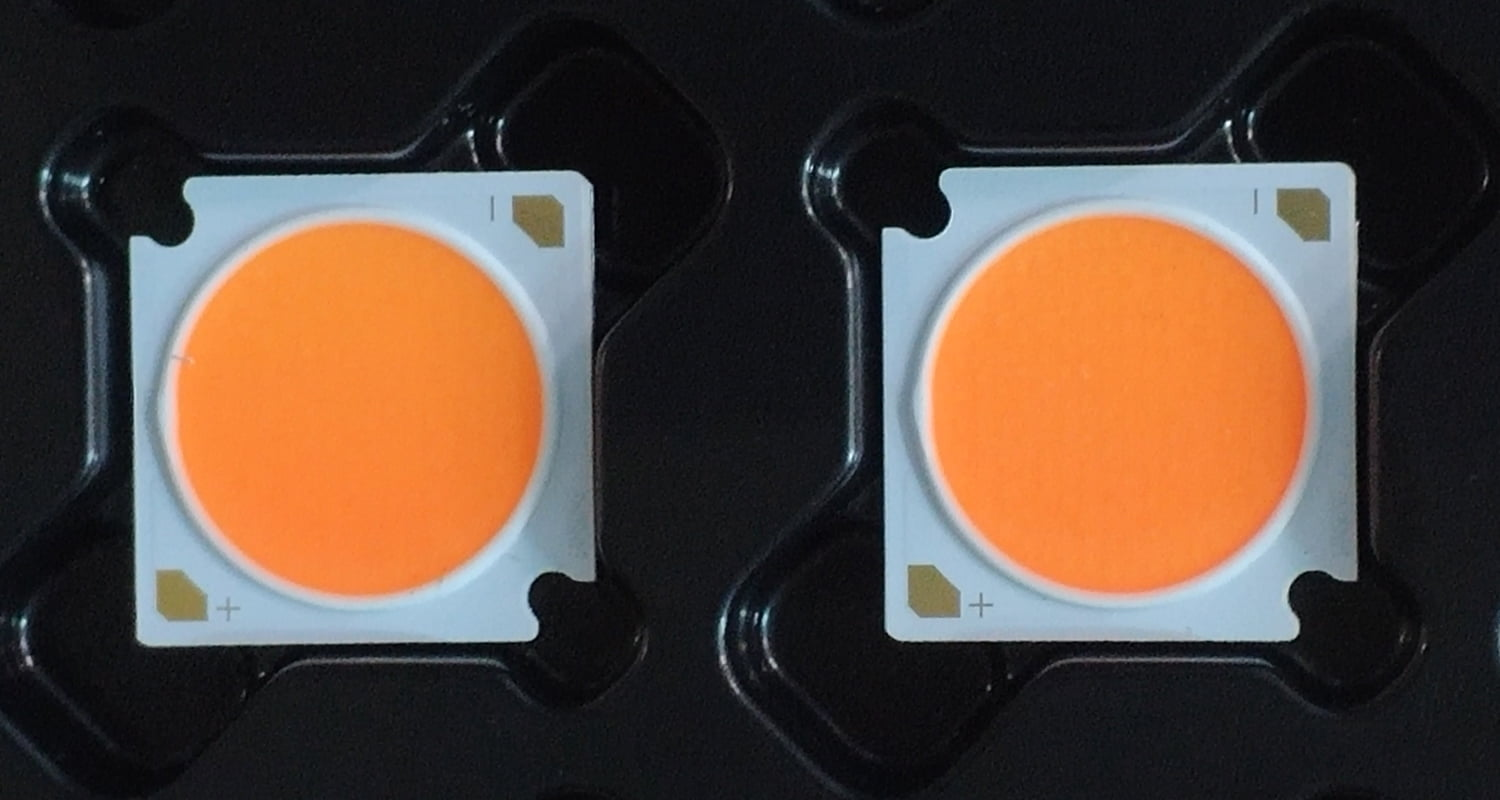
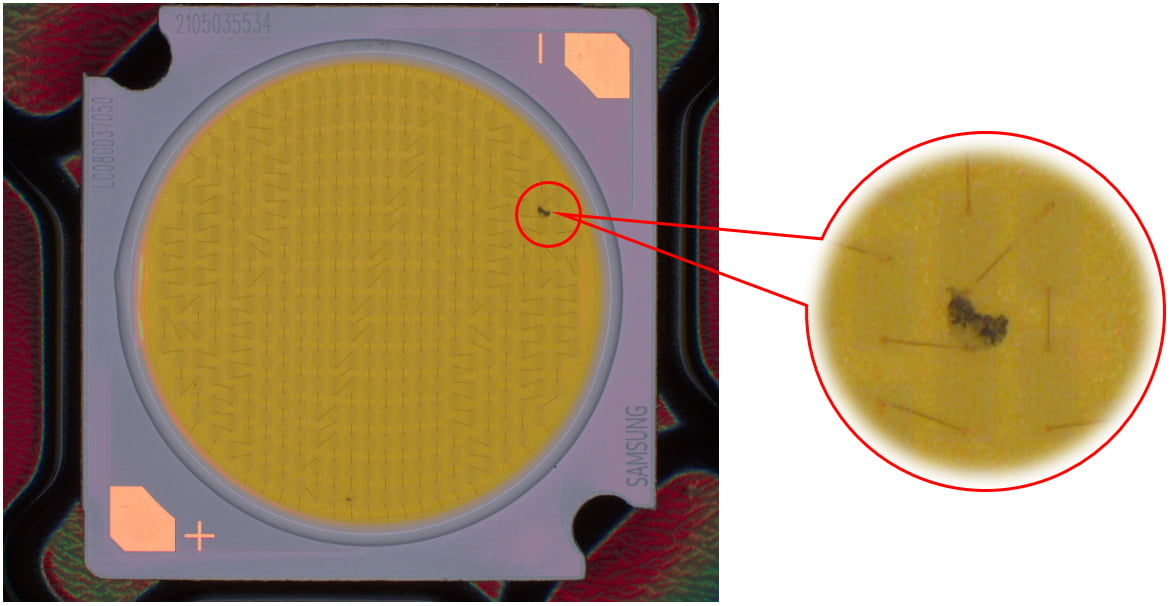
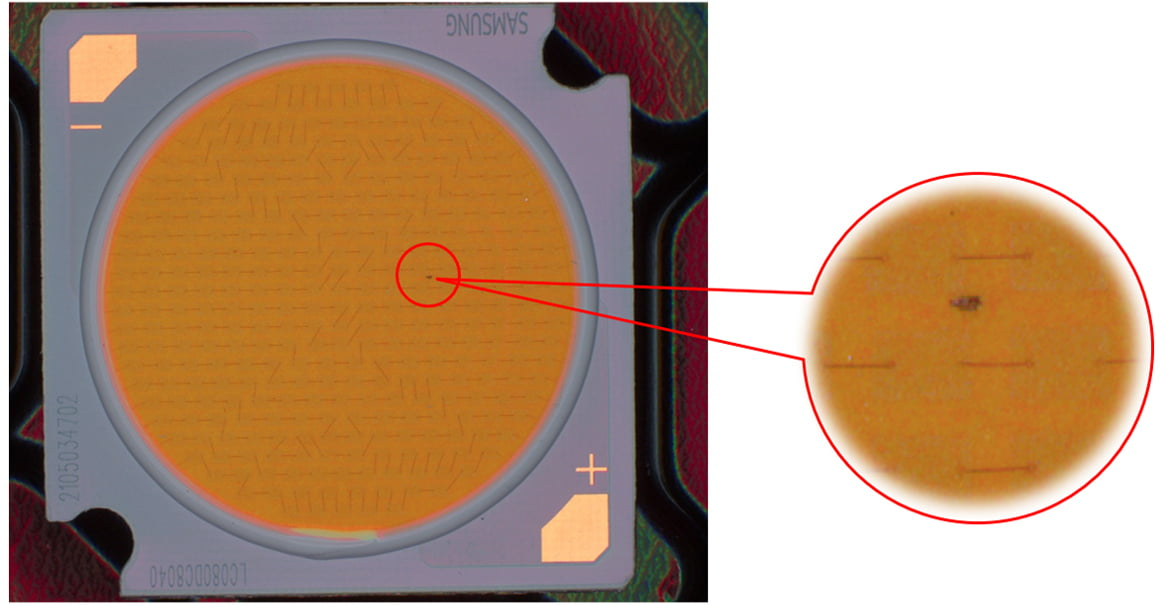
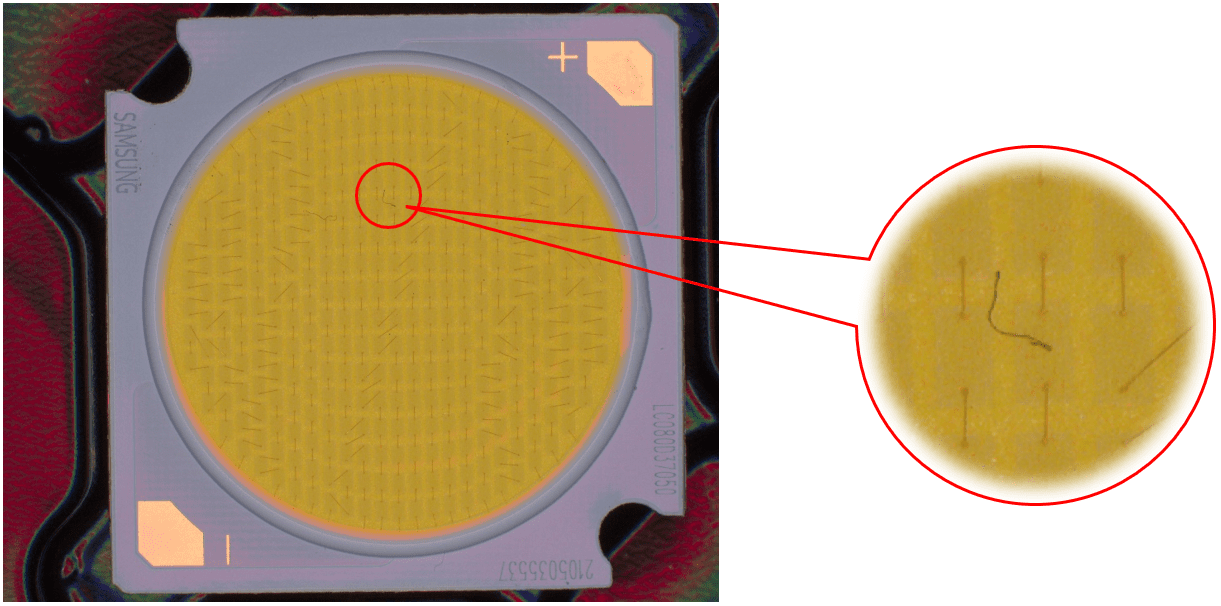
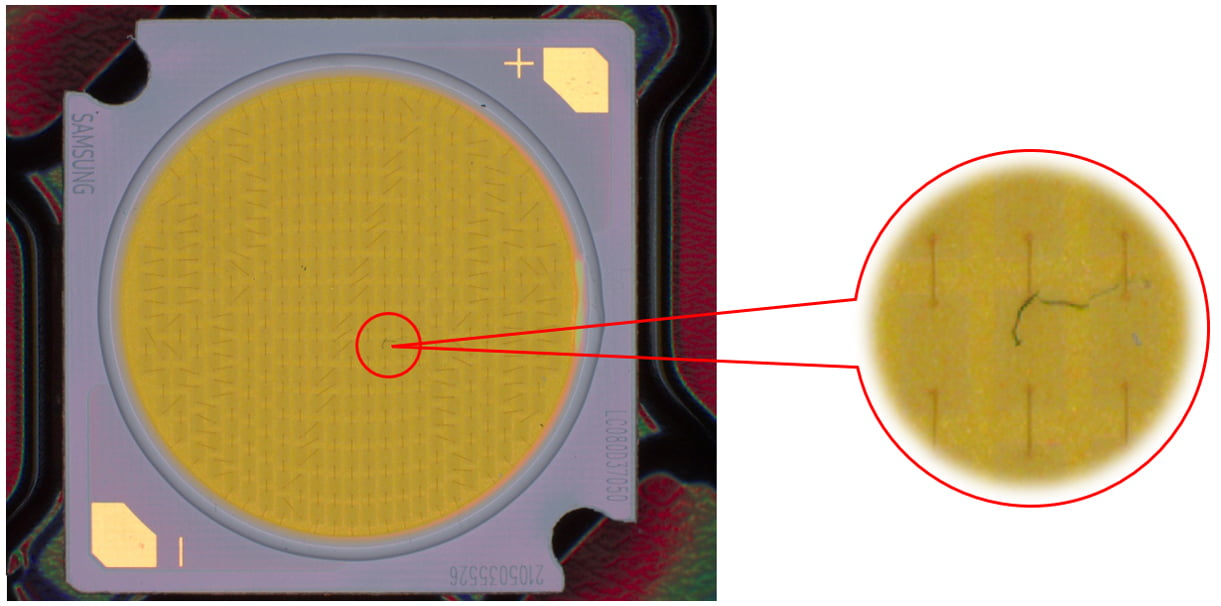
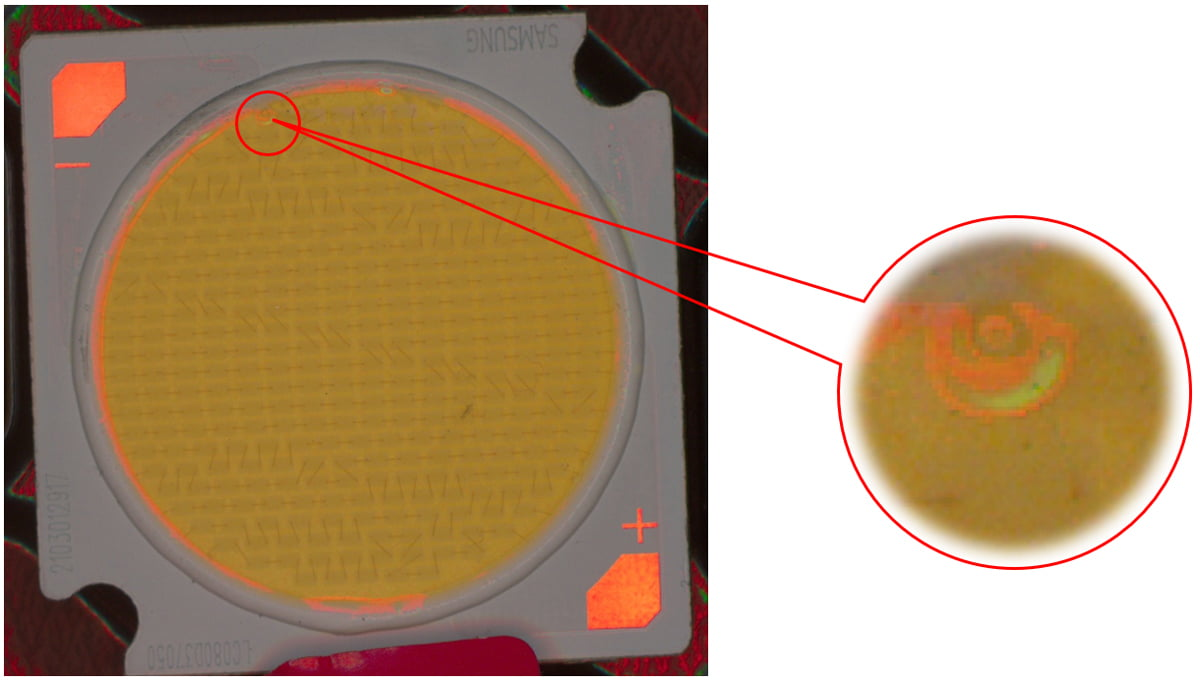
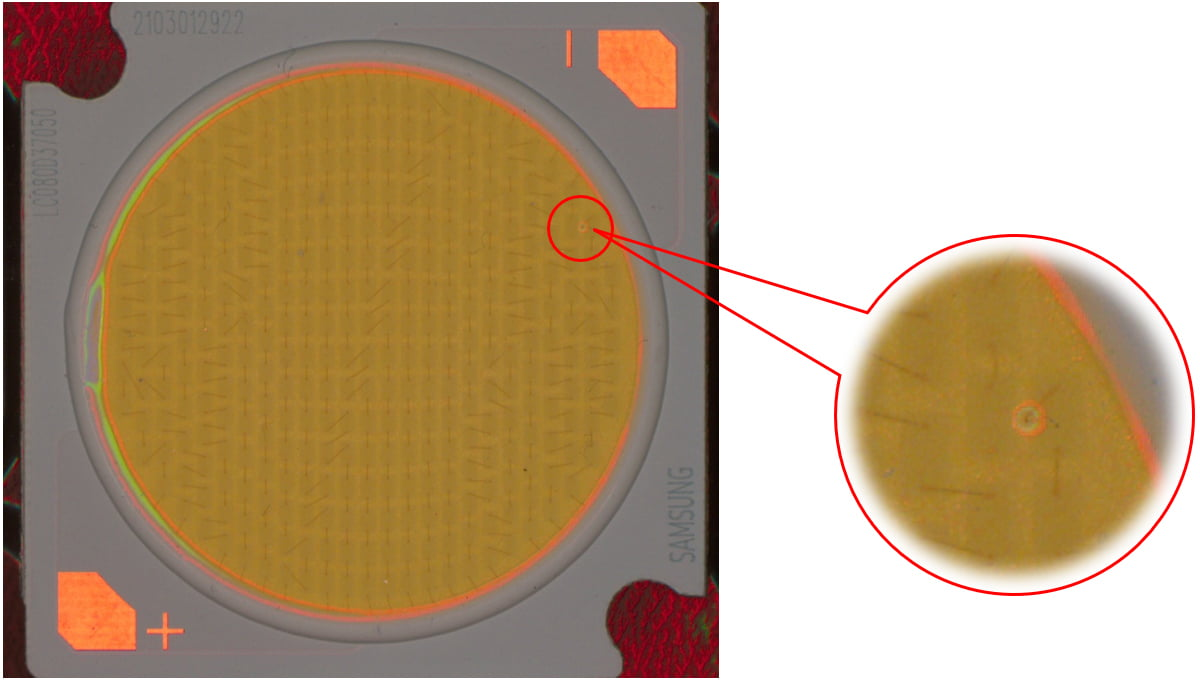
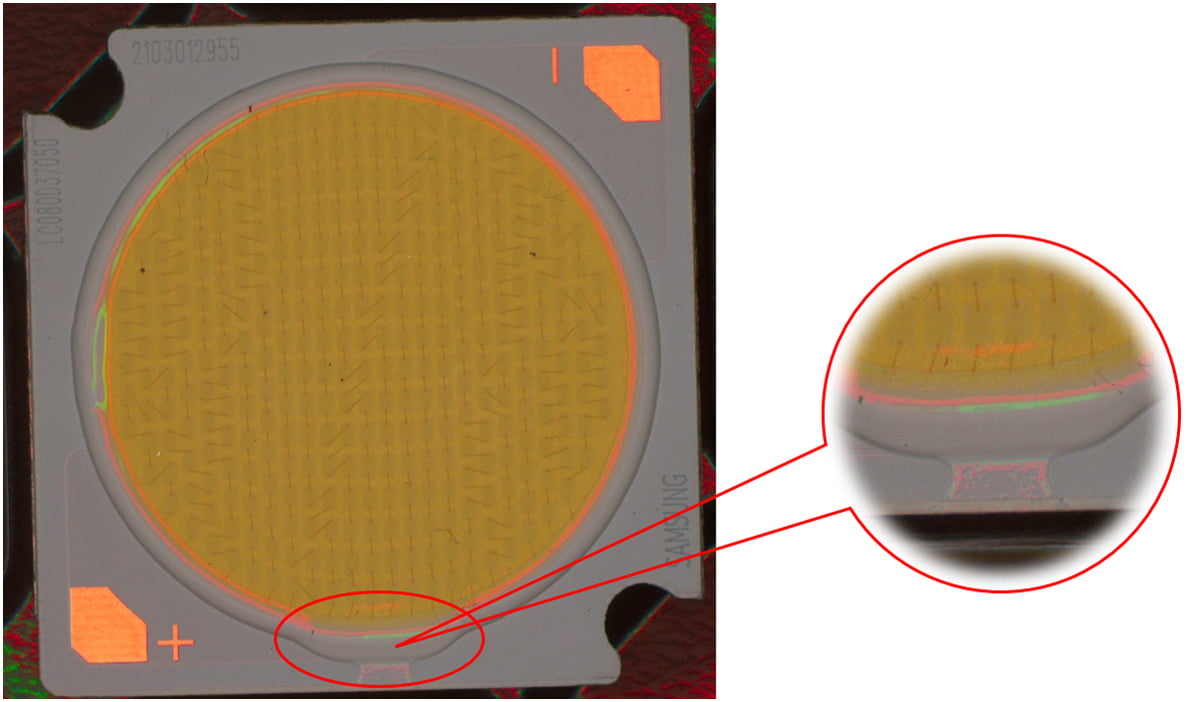
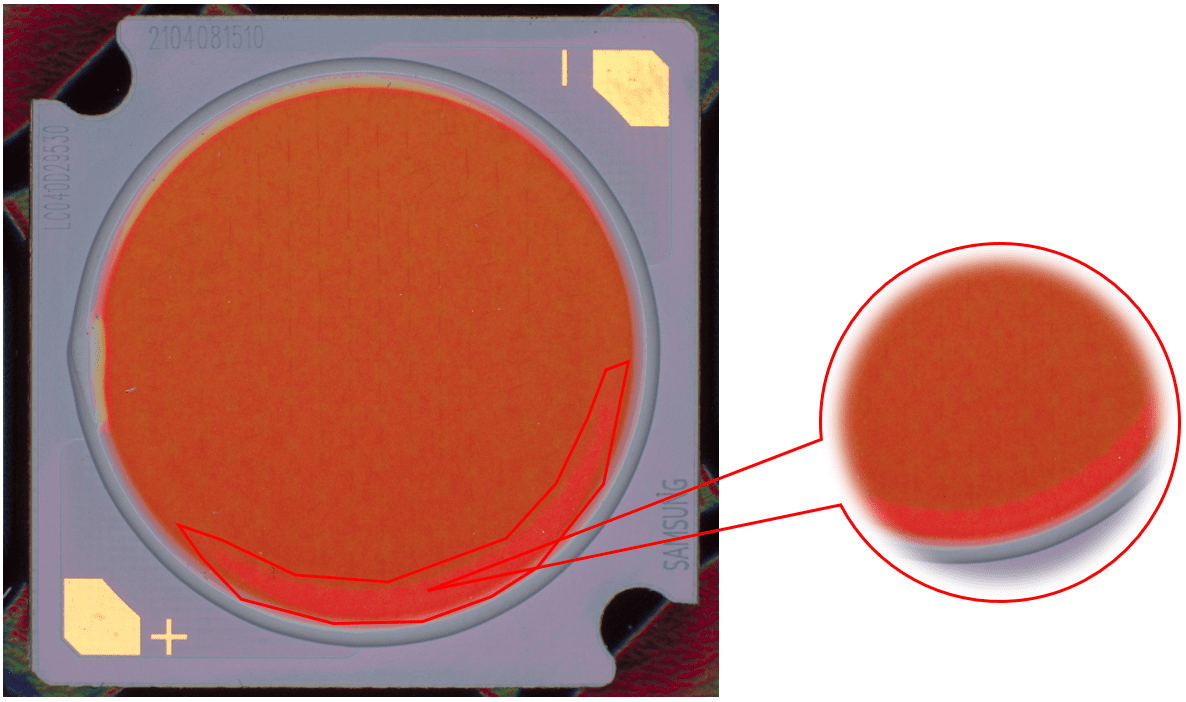
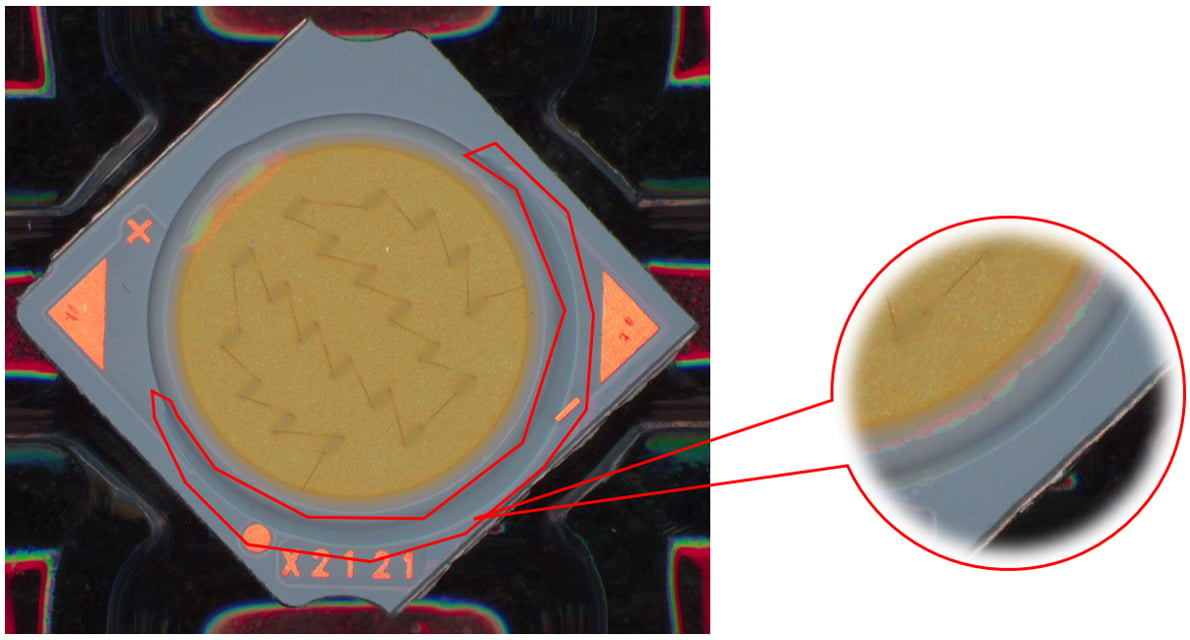
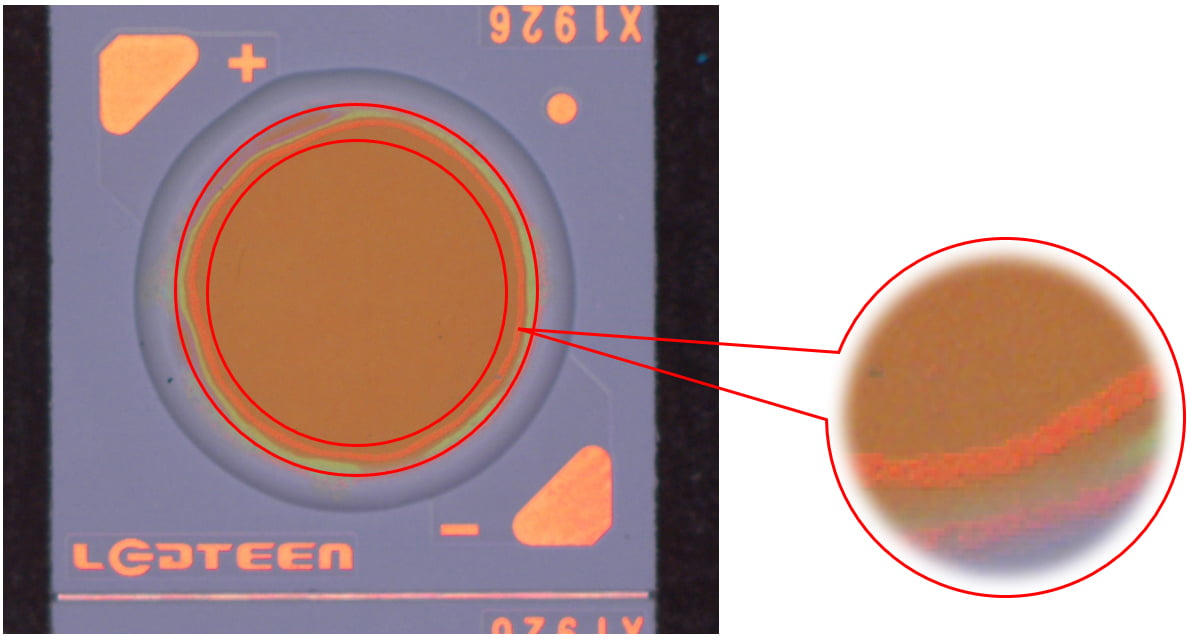
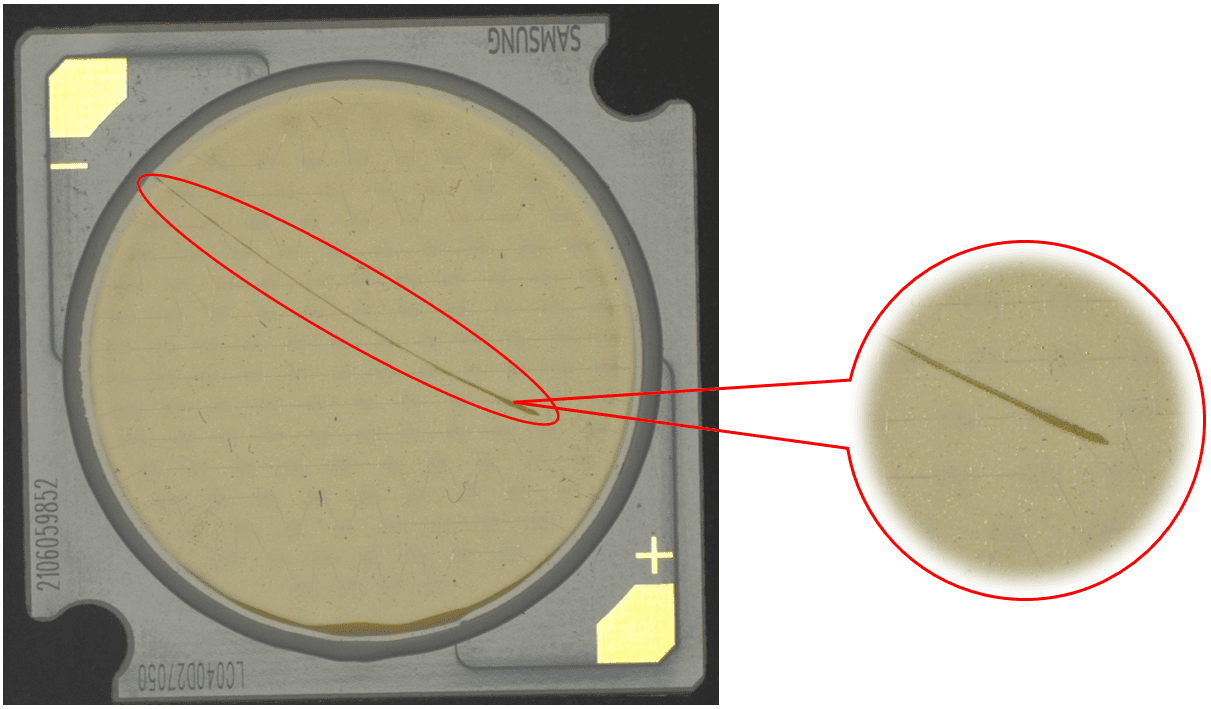
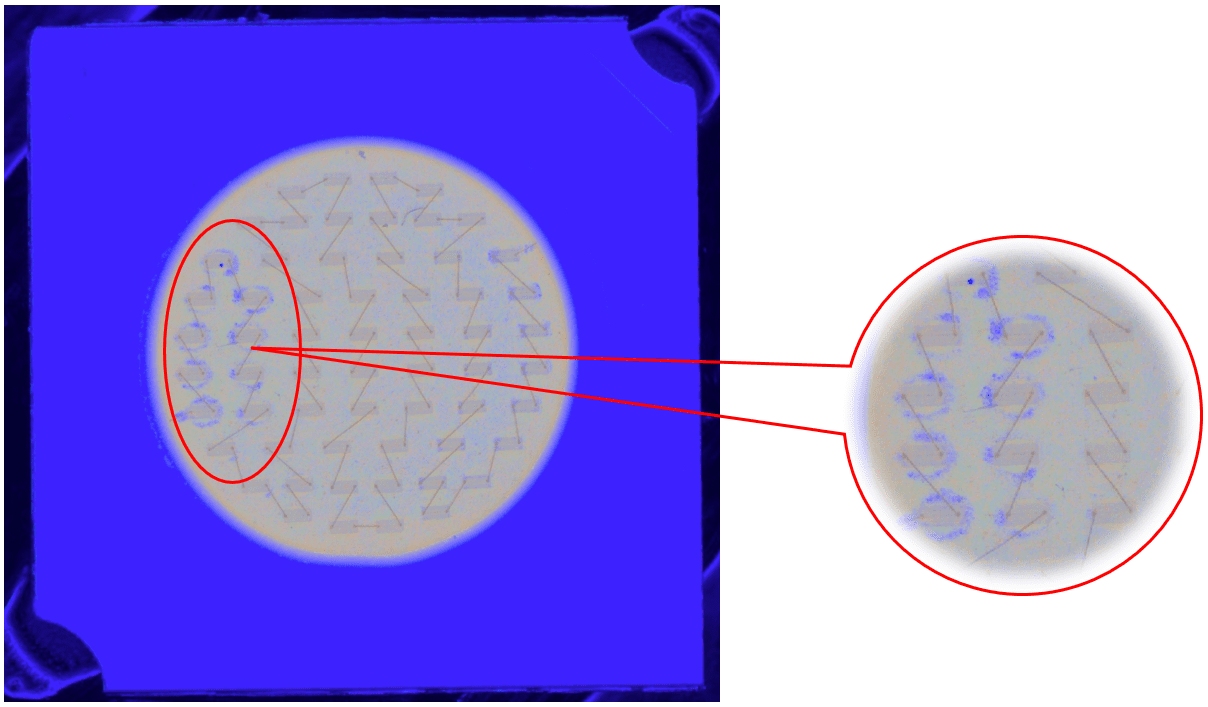
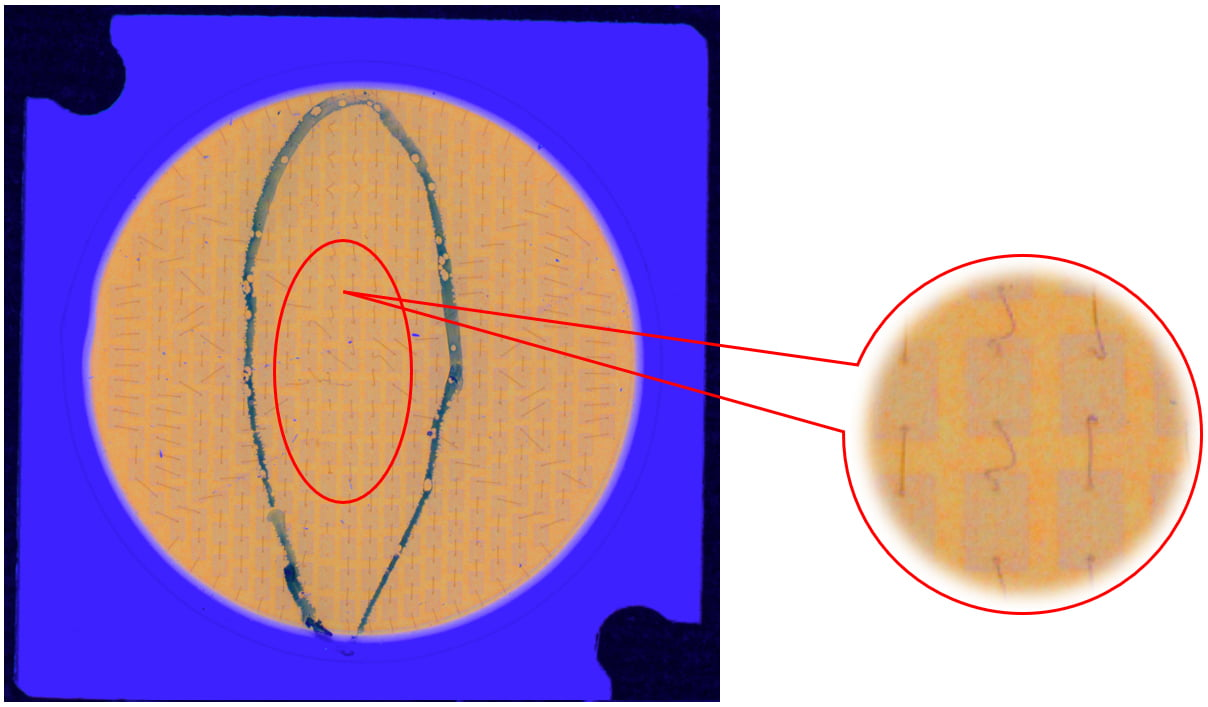
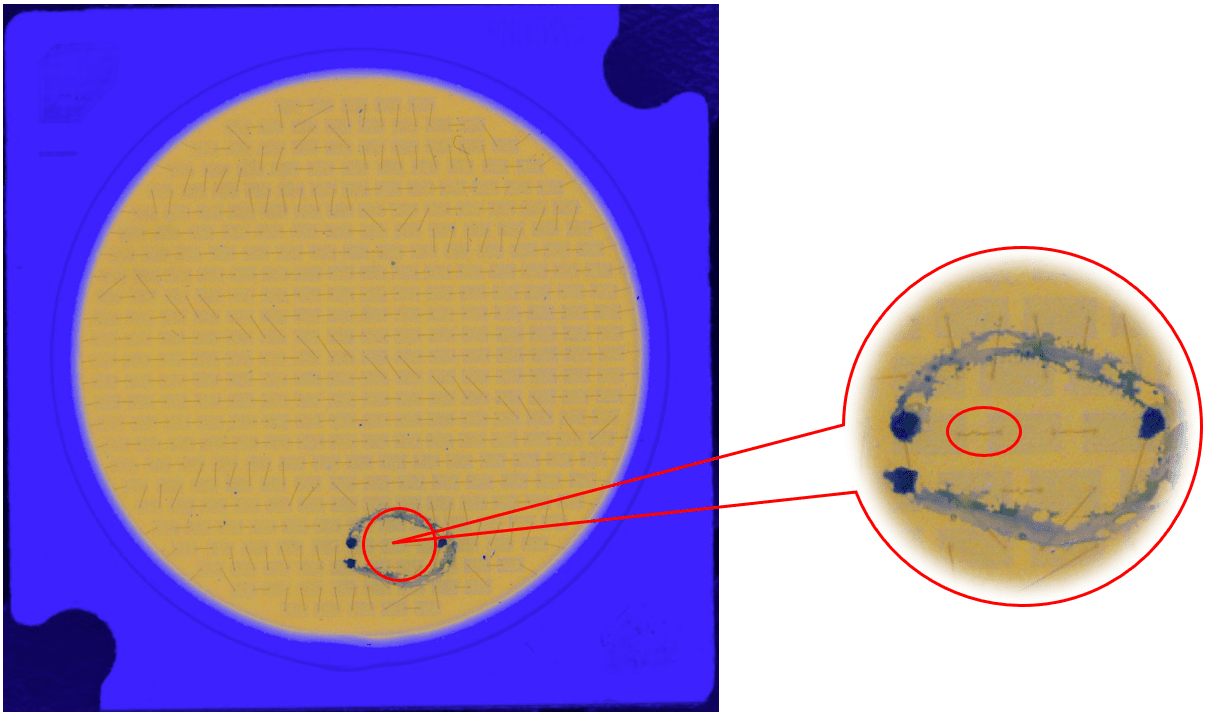
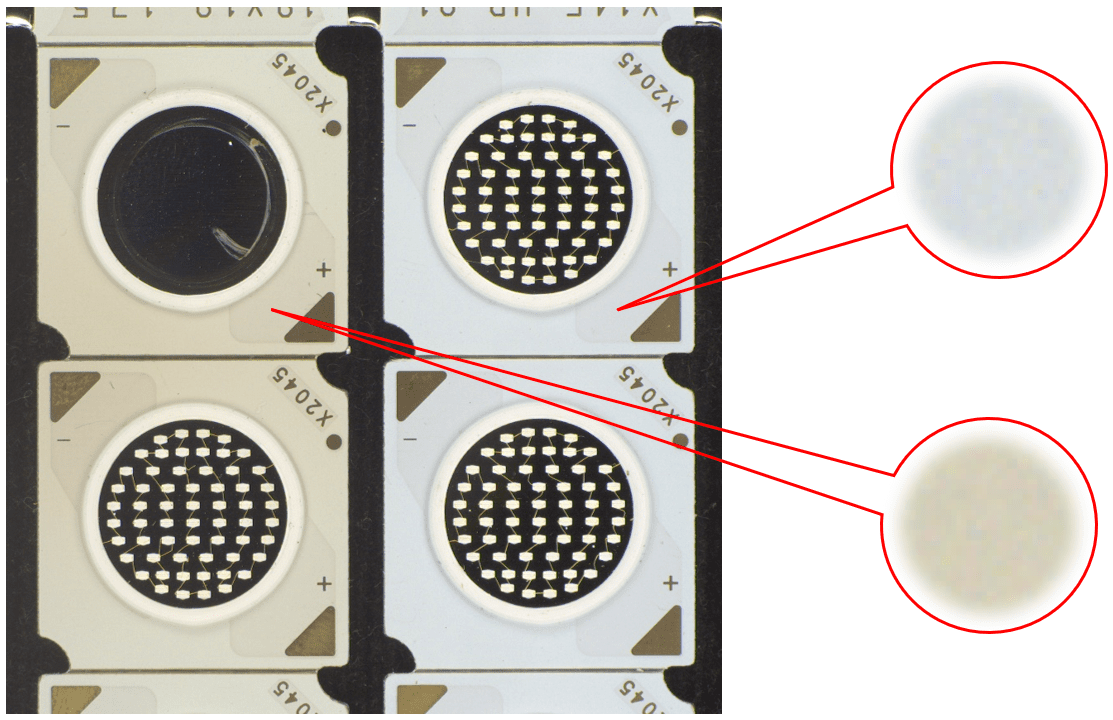
Evaluate LED-chip brightness and substrate colour separately. Distinguish true defects from colour variation and position shifts.
What lighting geometry fits this inspection task?
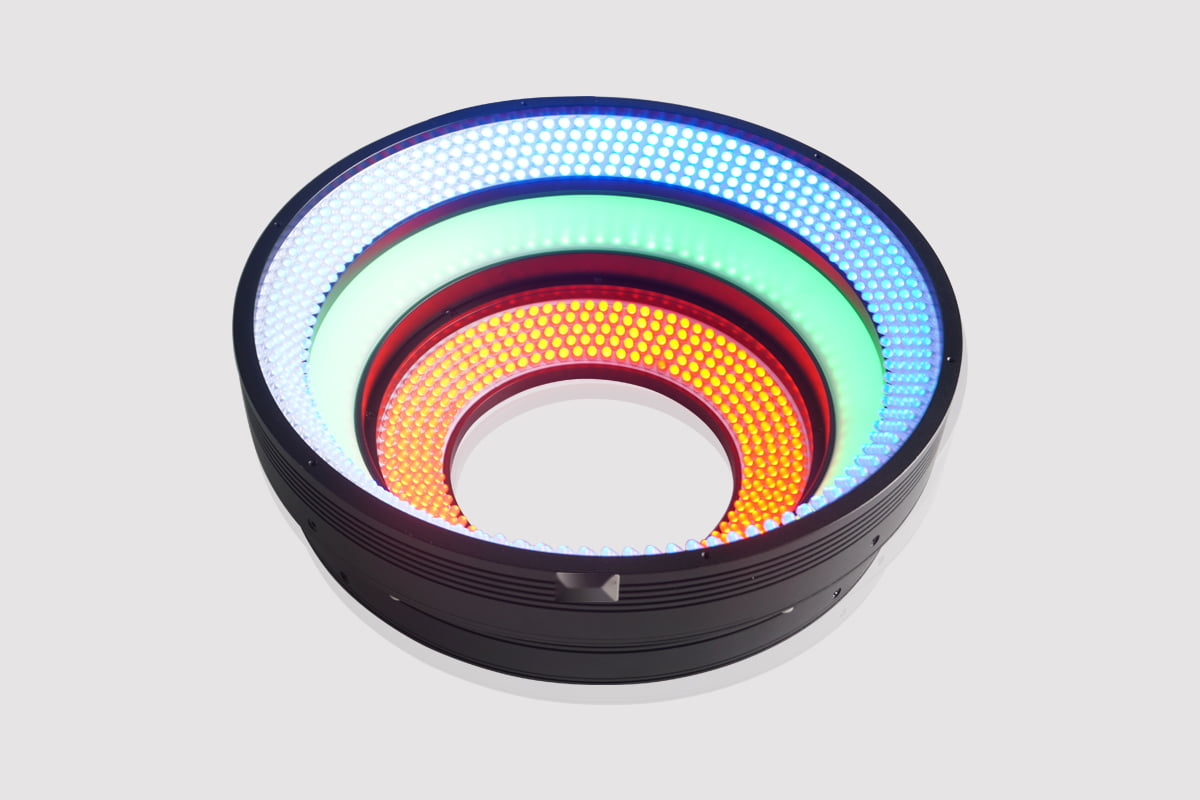
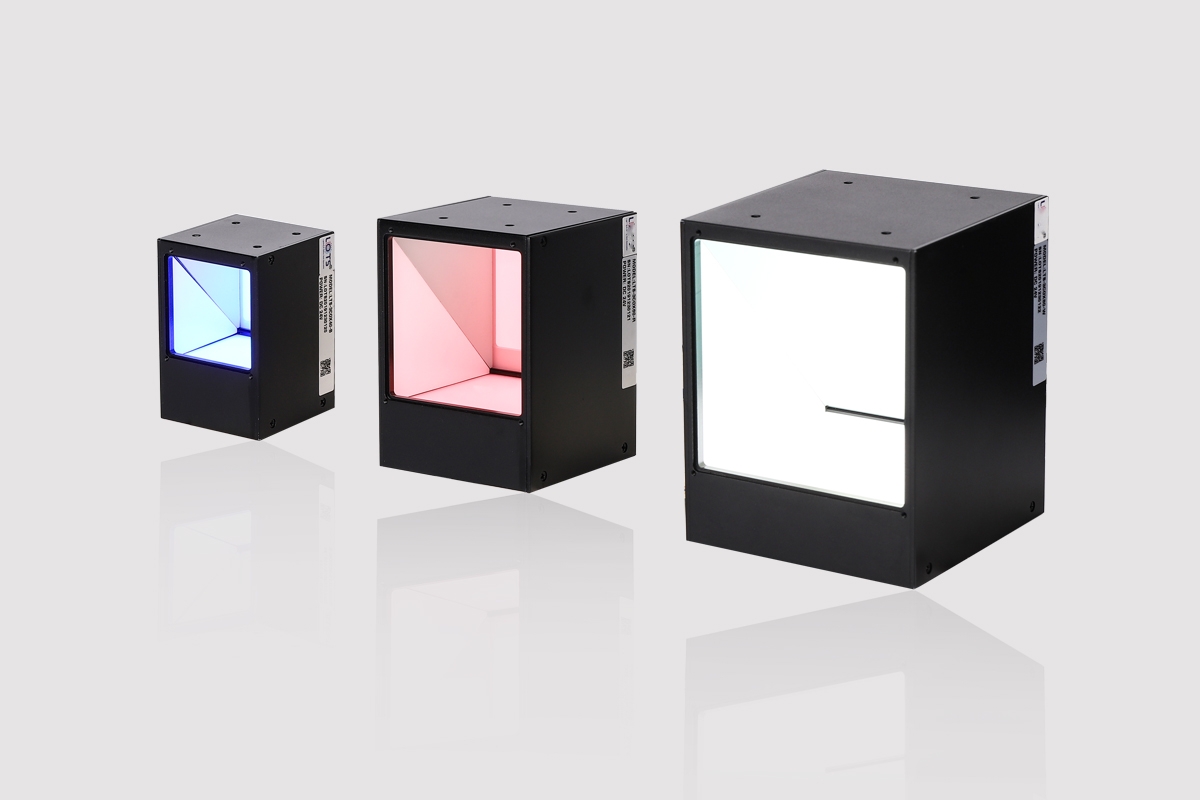
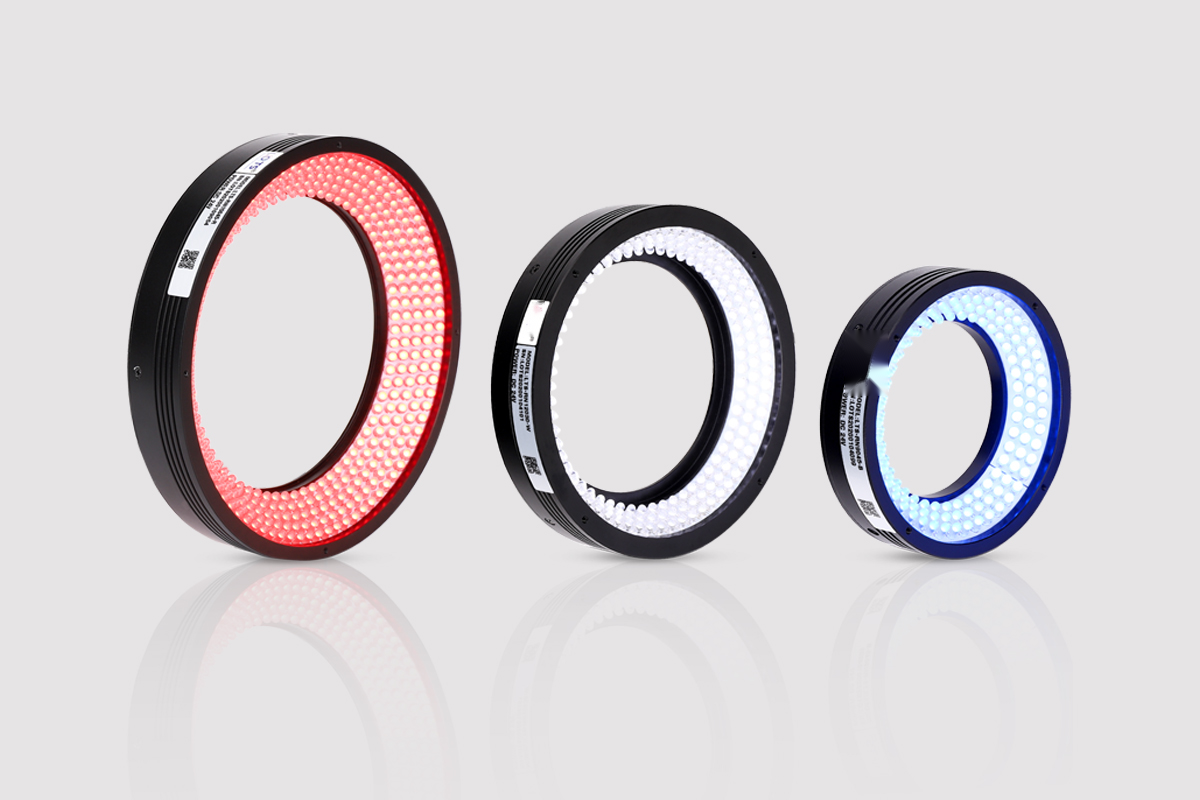
Light colour changes the relative brightness of materials and printed areas. Compare wavelengths using the sample response, rather than predicting the result from its visible colour alone. Separate sequential colour captures from simultaneous colour mixing.
Capture each colour with controlled exposure and check for saturated or overlapping camera channels. For colour inspection, fix white balance and record illumination conditions. For outlines, prioritise separation from the background. Repeat with material from different batches.
Related product family?
LXV-AOI
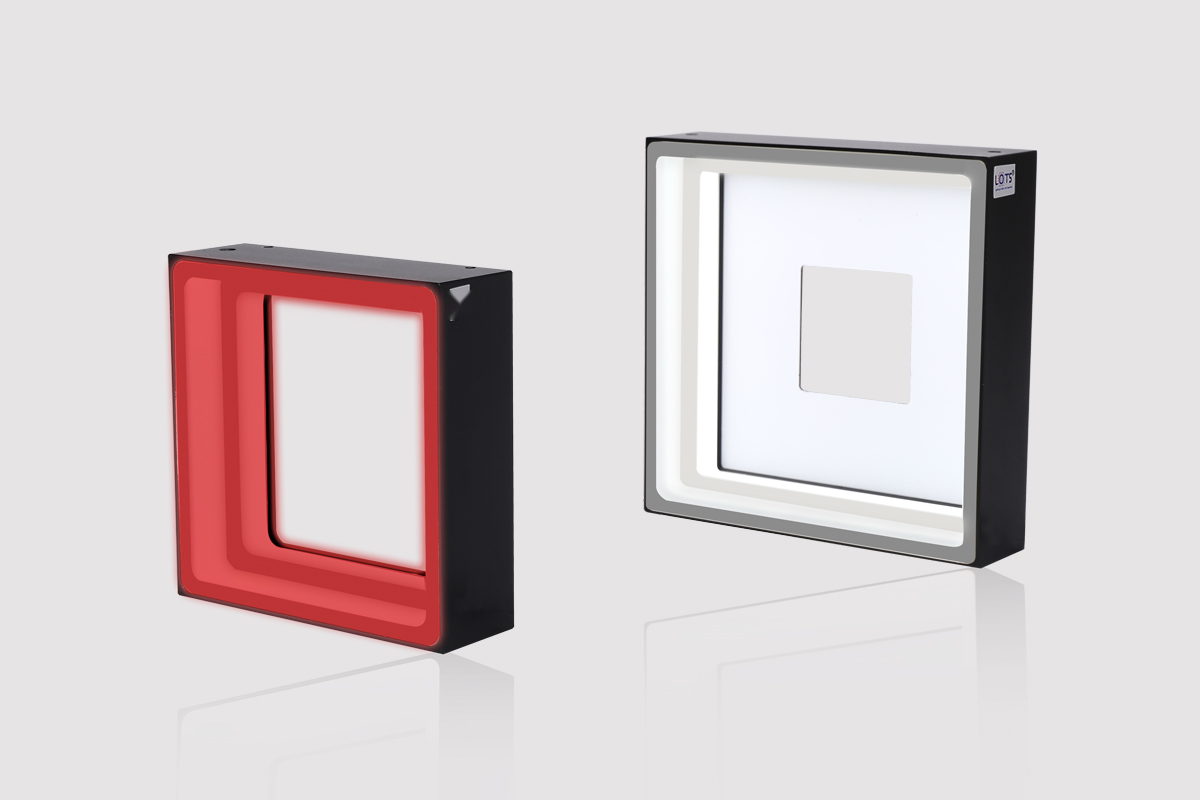
Lighting for inspecting shapes, surfaces and small details.
Before choosing a configuration?
For selection, specify the field of view, smallest target feature, height variation, cycle time and installation space. Use the specific product page and drawing to verify electrical ratings, dimensions and compatibility.
Separating chip defects from colour variation?
Use representative substrate colours and LED surfaces when comparing illumination bands. A channel that increases defect contrast may also exaggerate acceptable colour variation. Treat these as separate effects during evaluation.
Capture known good and defective regions with consistent exposure and white-balance settings where applicable. Check several part orientations. Confirm that the final decision remains stable across the normal material and coating range.
What do the optical setup and sample images show?