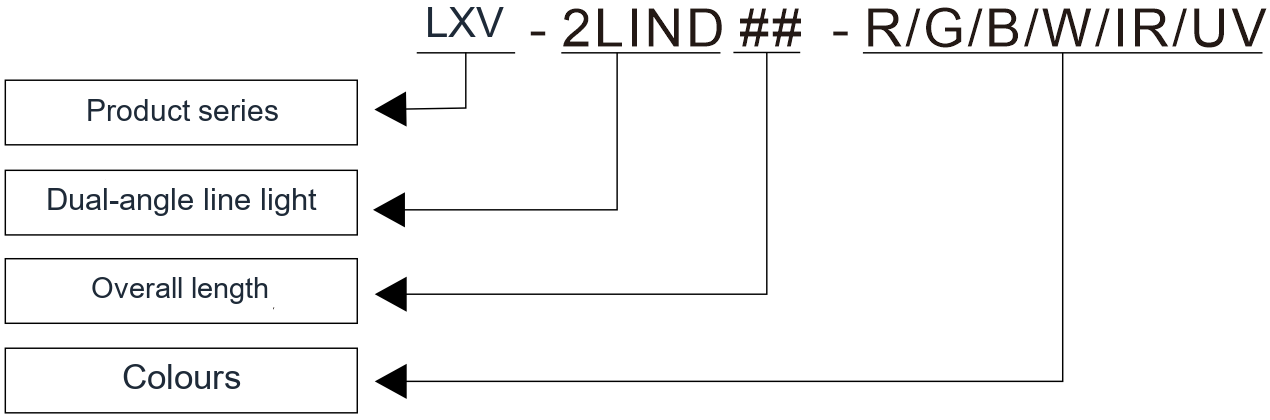
What inspection variables should be evaluated?
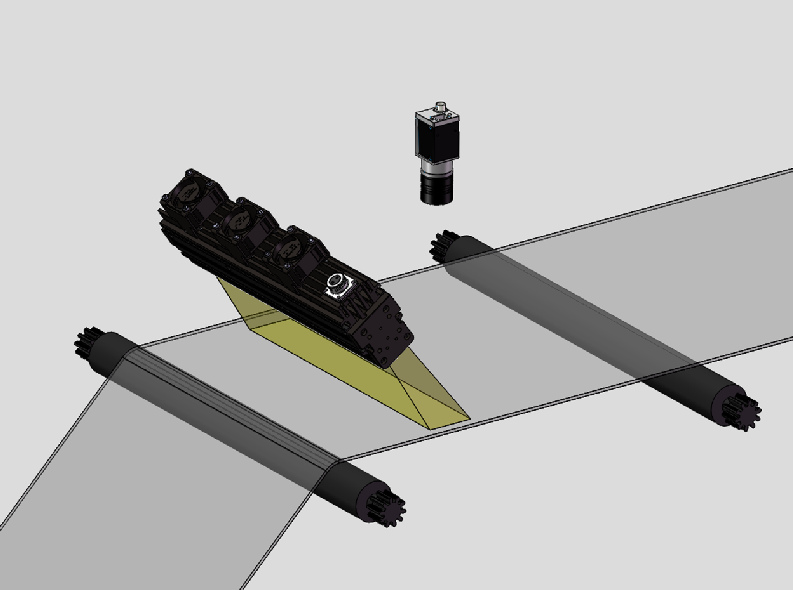
Capture each angle separately before combining them. Strong reflections from one direction must not hide defects revealed by the other.
What lighting geometry fits this inspection task?
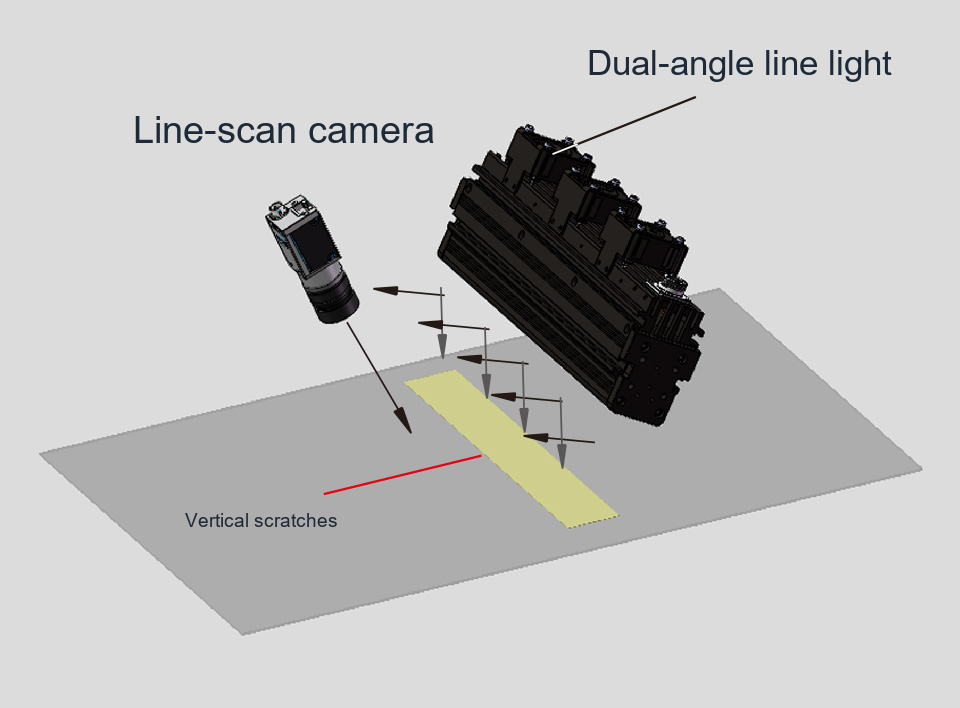
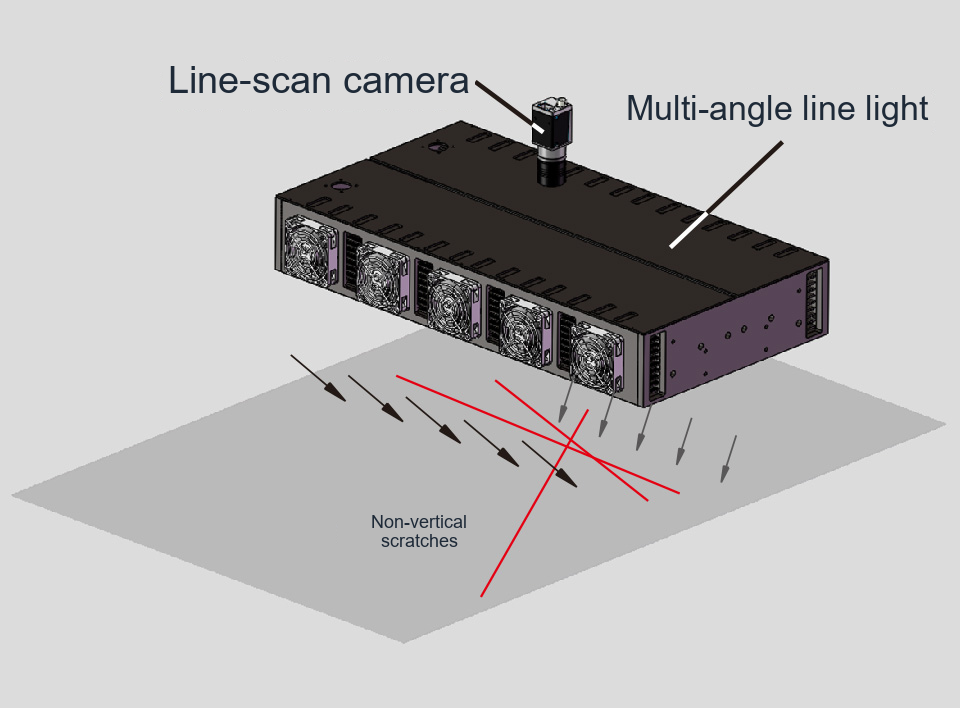
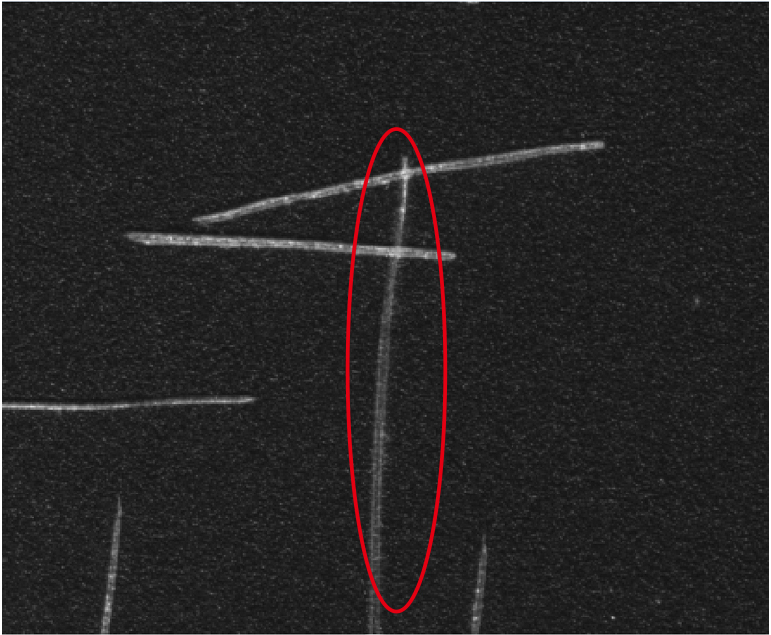
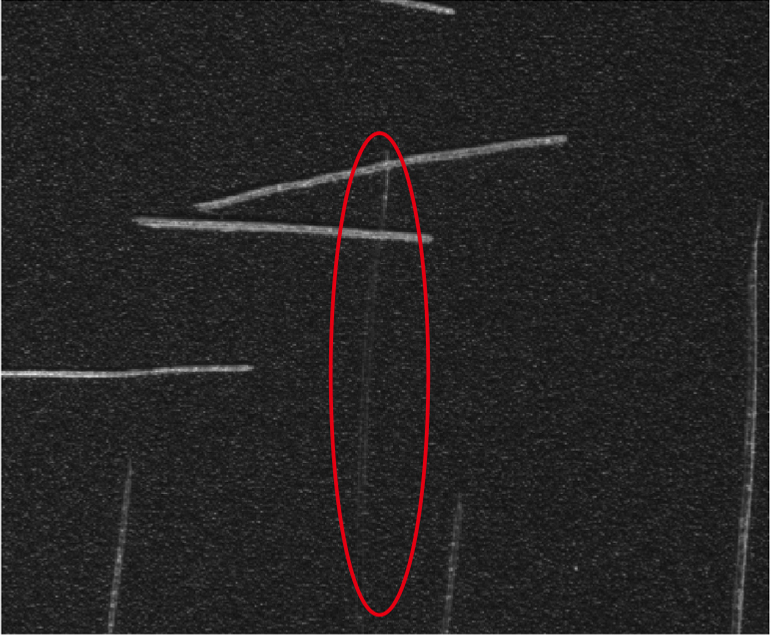
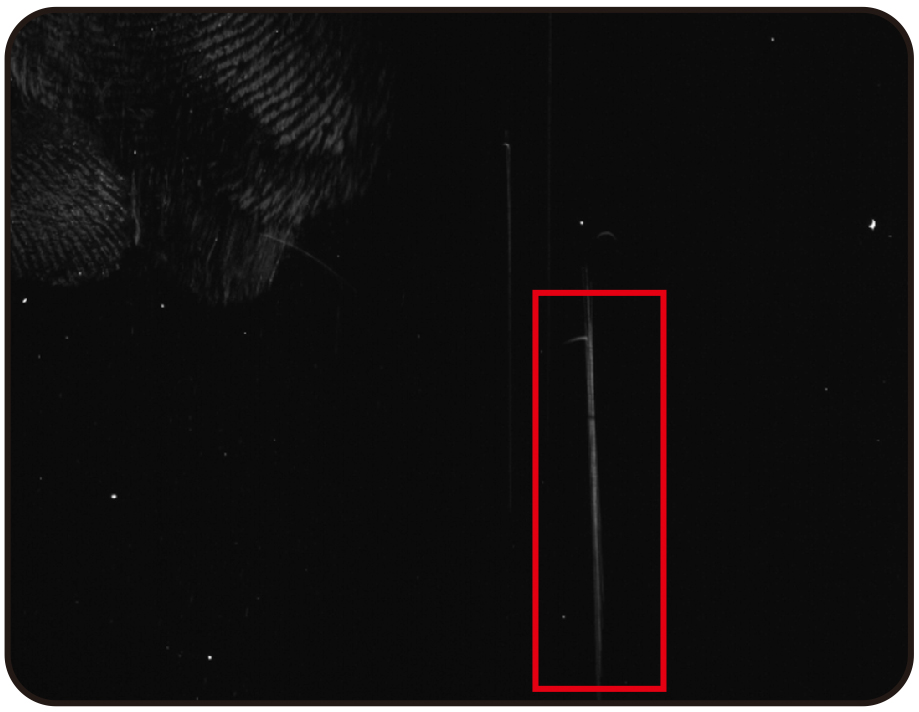
Oblique or low-angle lighting can darken a smooth background while allowing scattered light to reach the camera. Scratch visibility depends on direction, depth and illumination angle. Separate images from several directions may be needed.
Hold the part fixed and vary the light direction. Compare normal texture with actual defects rather than judging brightness alone. Check shadows, curved-surface highlights and motion blur. Repeat the test at production speed and across the permitted position variation before choosing a layout.
Related product family?
LXV-2LIND
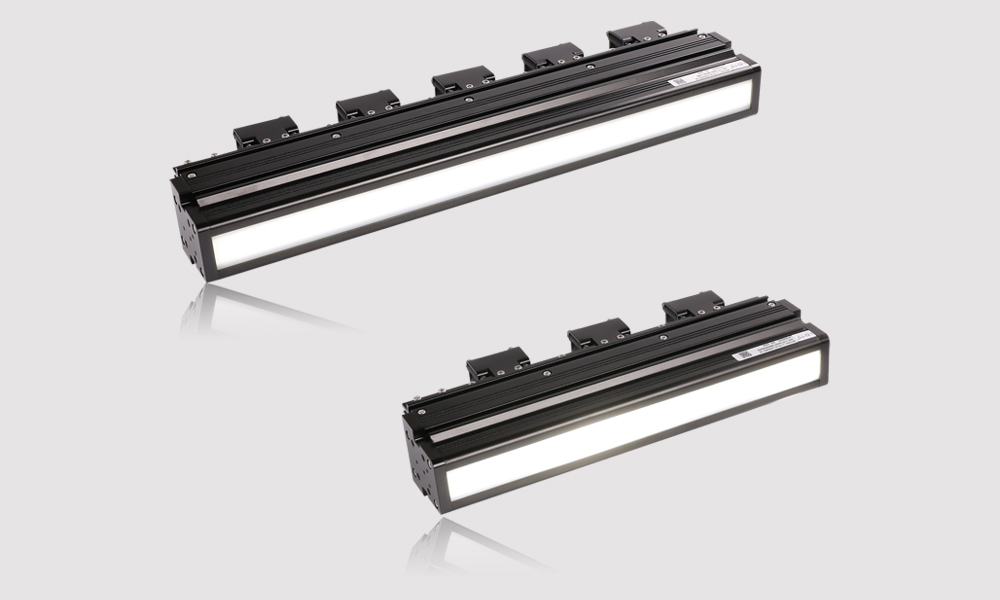
A focused line of light for inspecting surfaces and edges.
Before choosing a configuration?
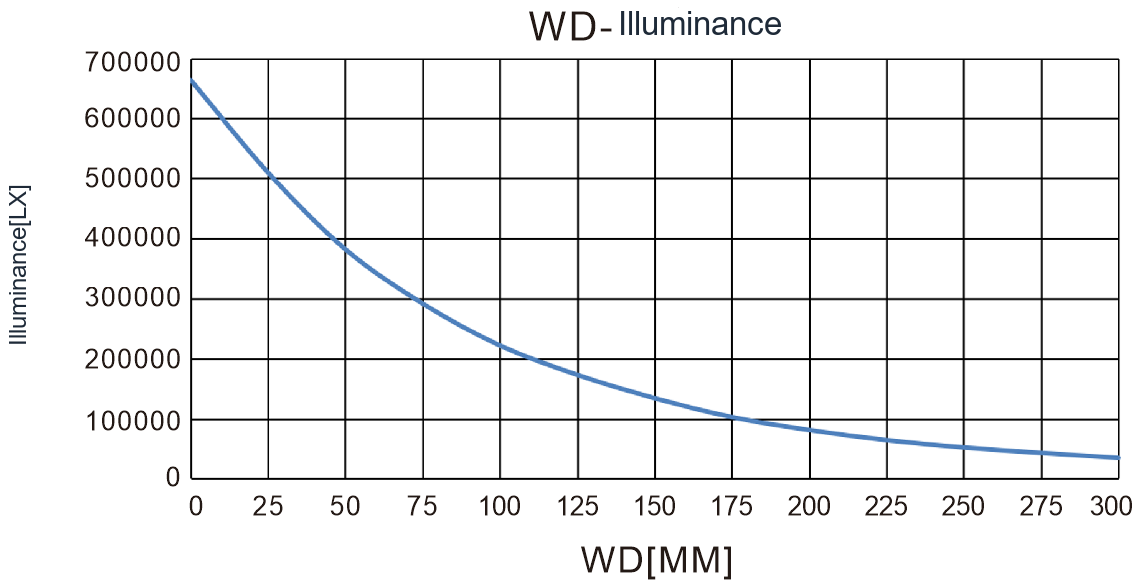
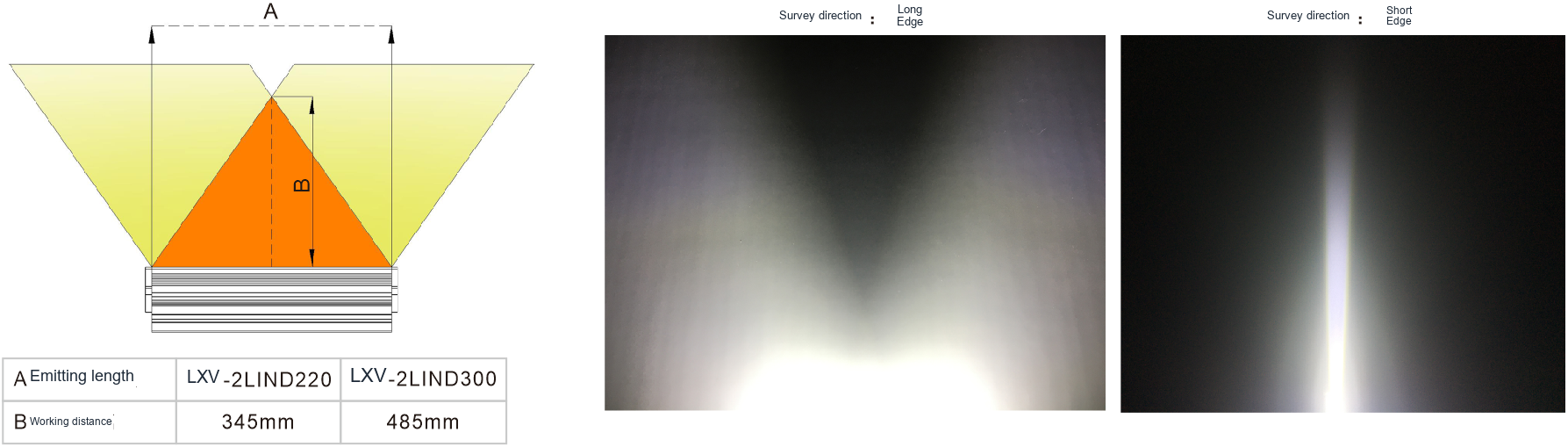
For selection, specify the field of view, smallest target feature, height variation, cycle time and installation space. Use the specific product page and drawing to verify electrical ratings, dimensions and compatibility.
Comparing two illumination angles?
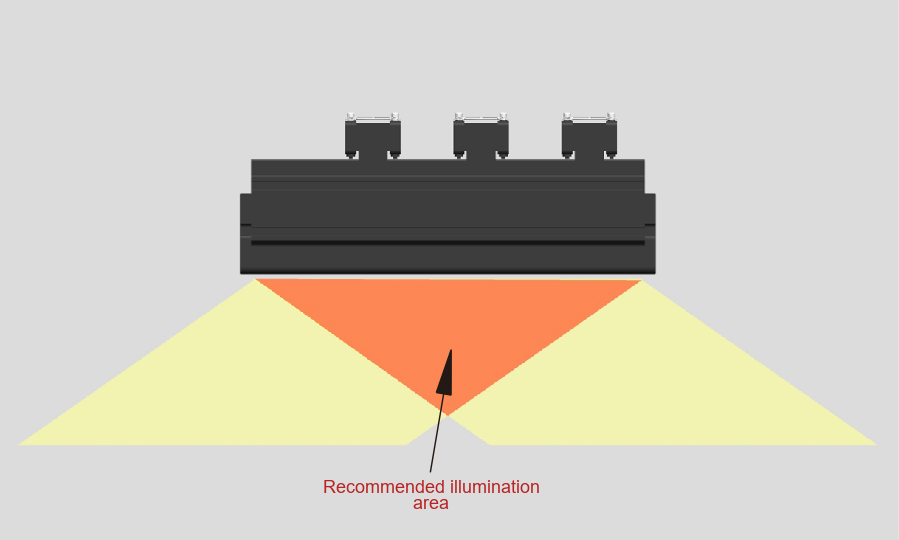
Capture the same scratch under each light direction independently. The purpose of two angles is to reduce directional blind spots, not merely to add brightness. Label the acquisition states consistently in the inspection sequence.
Test scratches with several orientations and compare normal texture. Verify timing if the states alternate during motion. Confirm that the combined decision remains stable when one angle produces a weak signal.
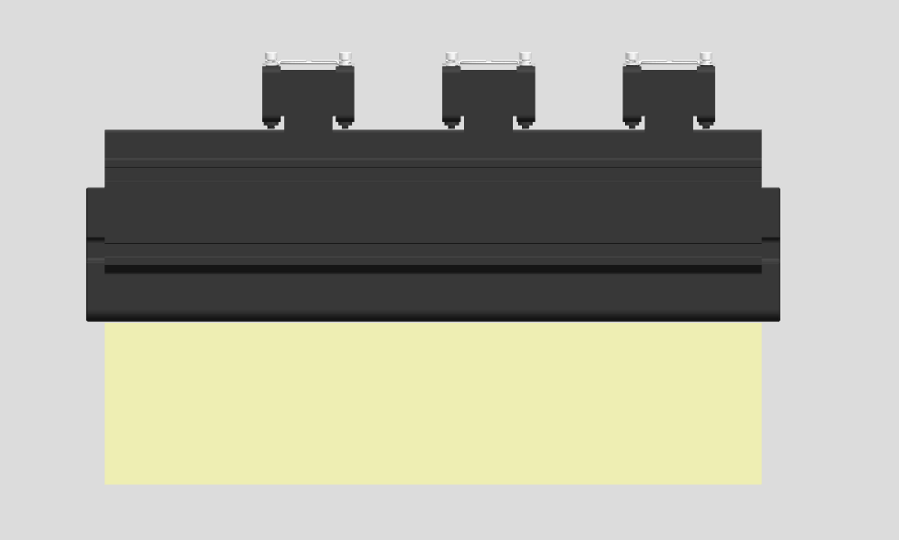
What do the optical setup and sample images show?