What inspection variables should be evaluated?
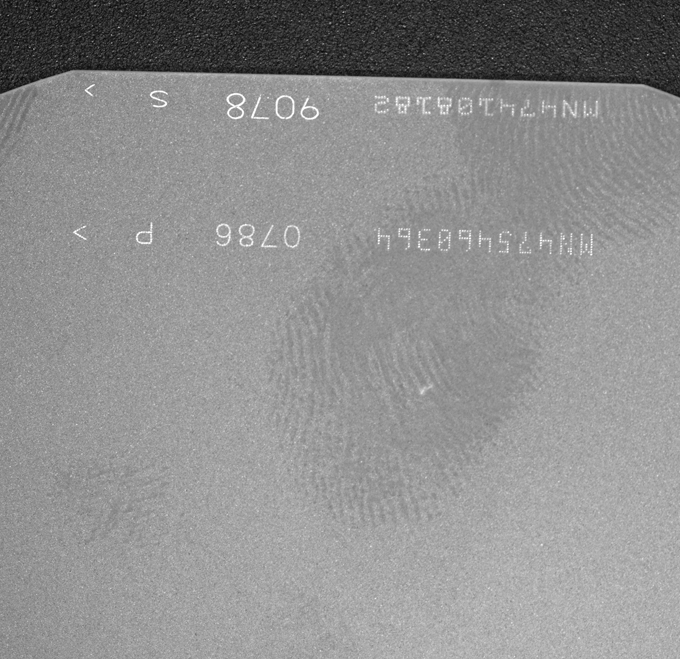
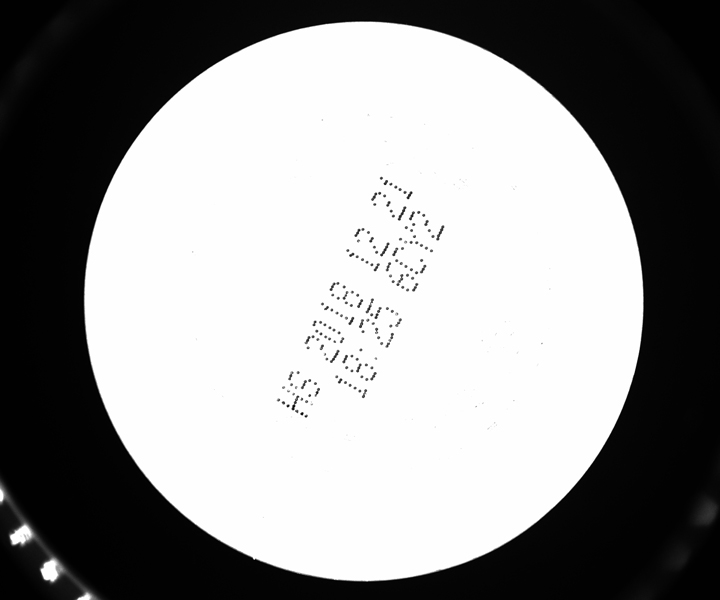
Judge OCR lighting by stroke completeness. Check whether polarisation also weakens ink, recessed marks or metallic characters.
What lighting geometry fits this inspection task?
Cross polarisation can reduce some specular reflections, but materials preserve polarisation differently. Adjust the light-side and lens-side elements together and test curved surfaces, metals and multilayer films separately.
Rotate the lens filter while judging target contrast, rather than seeking the darkest image. Polarisation reduces available light, so recheck motion blur when changing exposure. Confirm that useful texture and lettering have not disappeared along with the glare.
Related product family?
LXV-4BR
Lighting for inspecting shapes, surfaces and small details.
Before choosing a configuration?
For selection, specify the field of view, smallest target feature, height variation, cycle time and installation space. Use the specific product page and drawing to verify electrical ratings, dimensions and compatibility.
Reducing glare for character inspection?
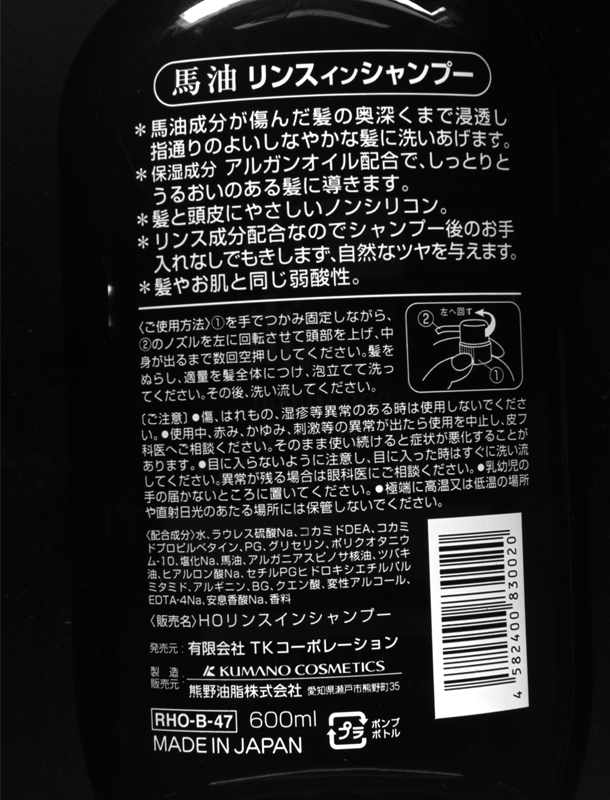
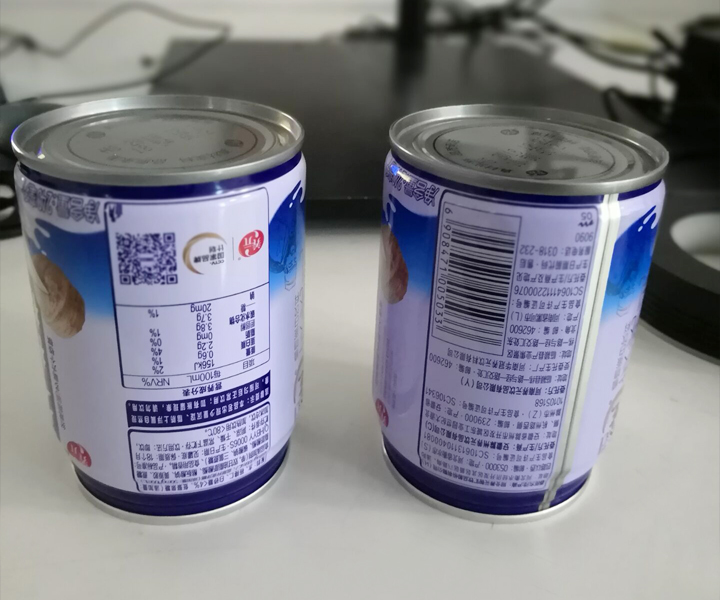
Position the light to avoid strong specular reflection into the lens, then compare diffusion and crossed polarisation where suitable. The best character image needs clear strokes and a stable background, not only greater overall brightness.
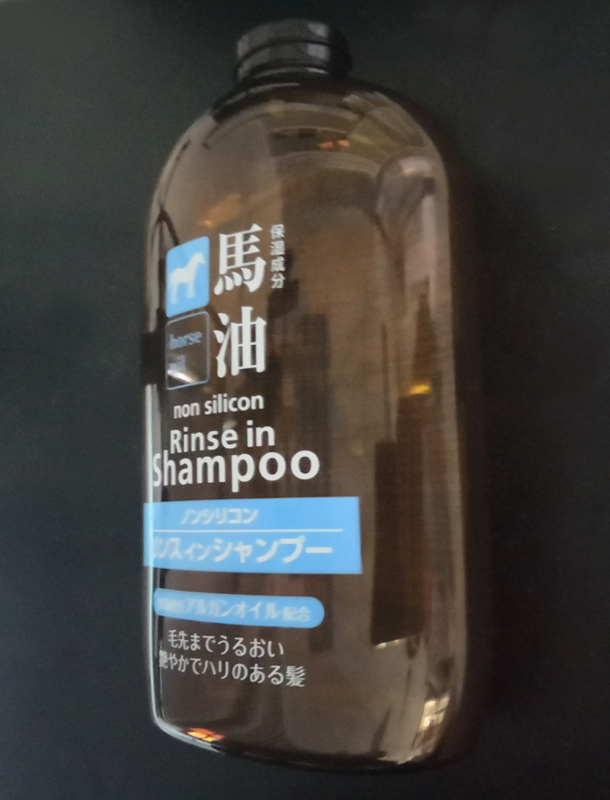
Test glossy labels, curved packaging and normal printing variation. Inspect the smallest characters at production exposure. Verify that glare suppression does not remove useful strokes or make low-contrast ink too dark.
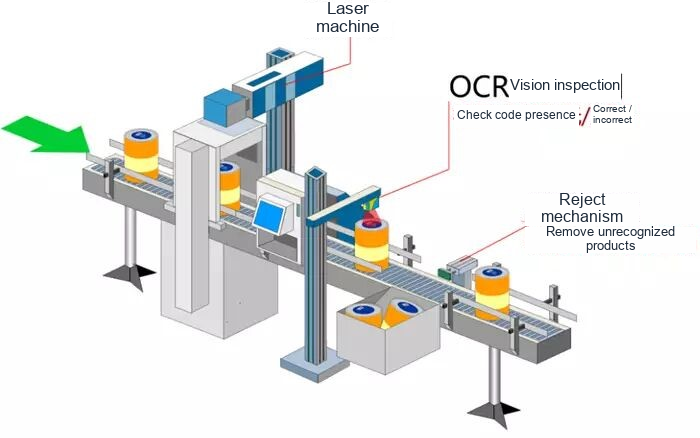
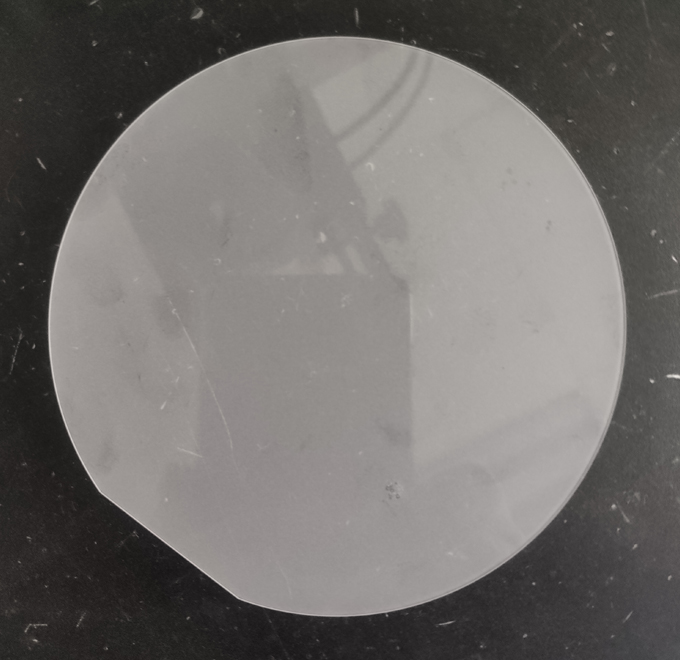
What do the optical setup and sample images show?