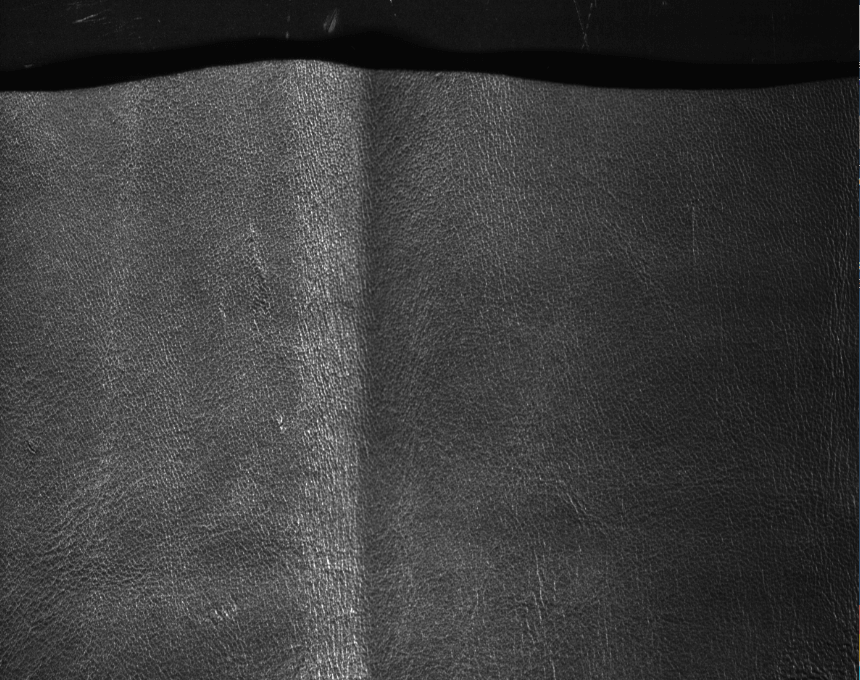
What inspection variables should be evaluated?
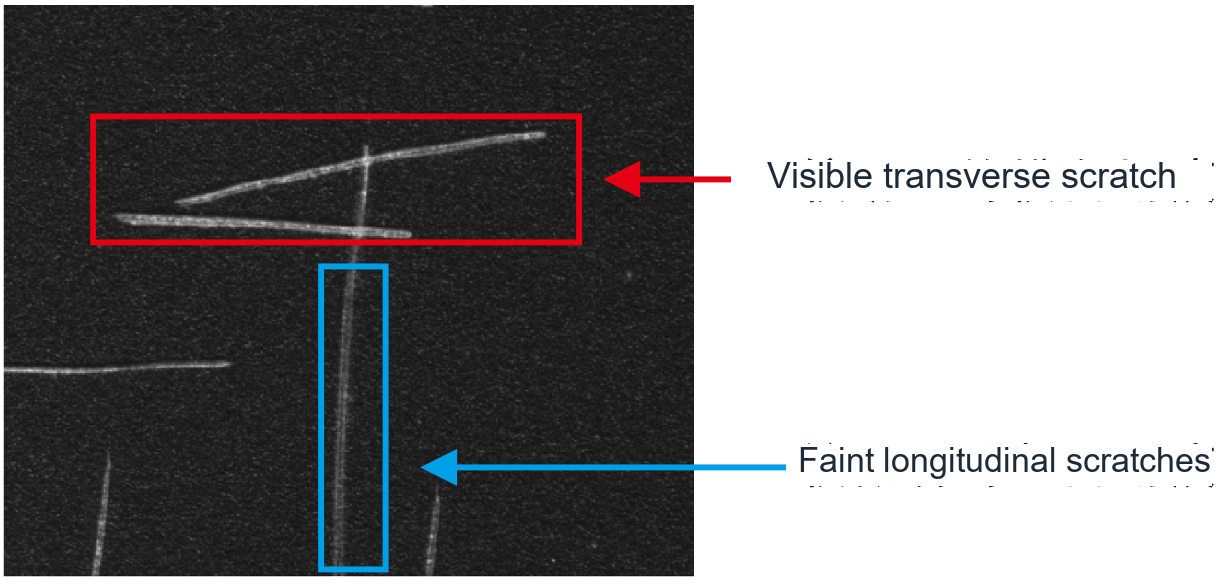
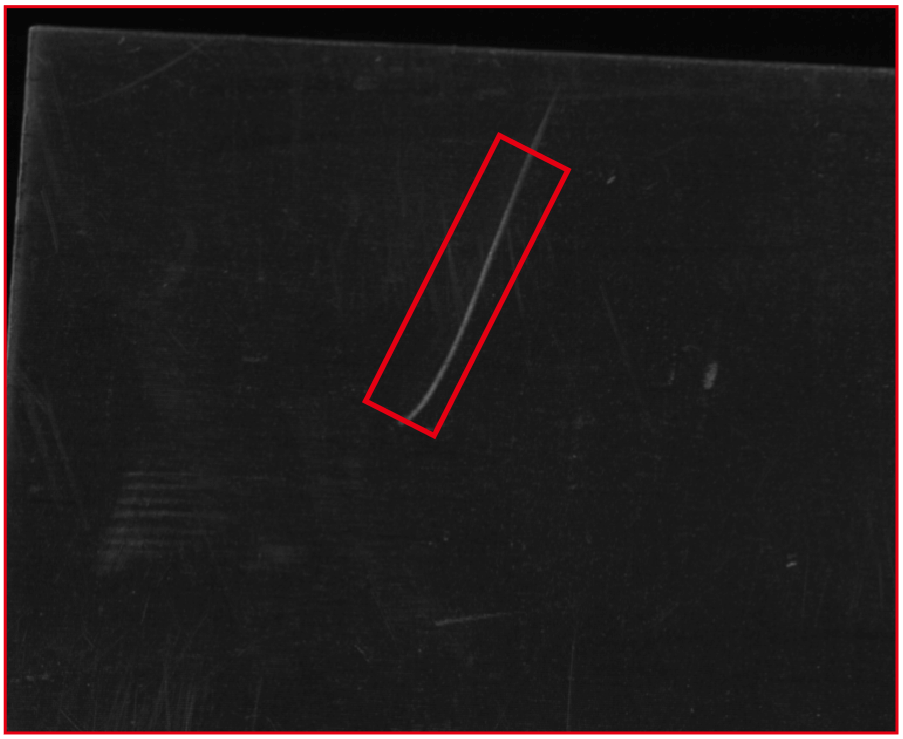
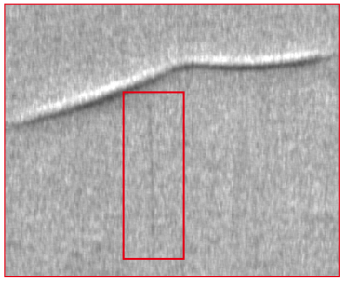
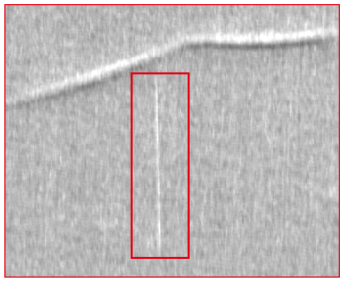
A single line-light direction can weaken long travel-aligned scratches. Rotate the illumination and inspect scratch continuity.
What lighting geometry fits this inspection task?
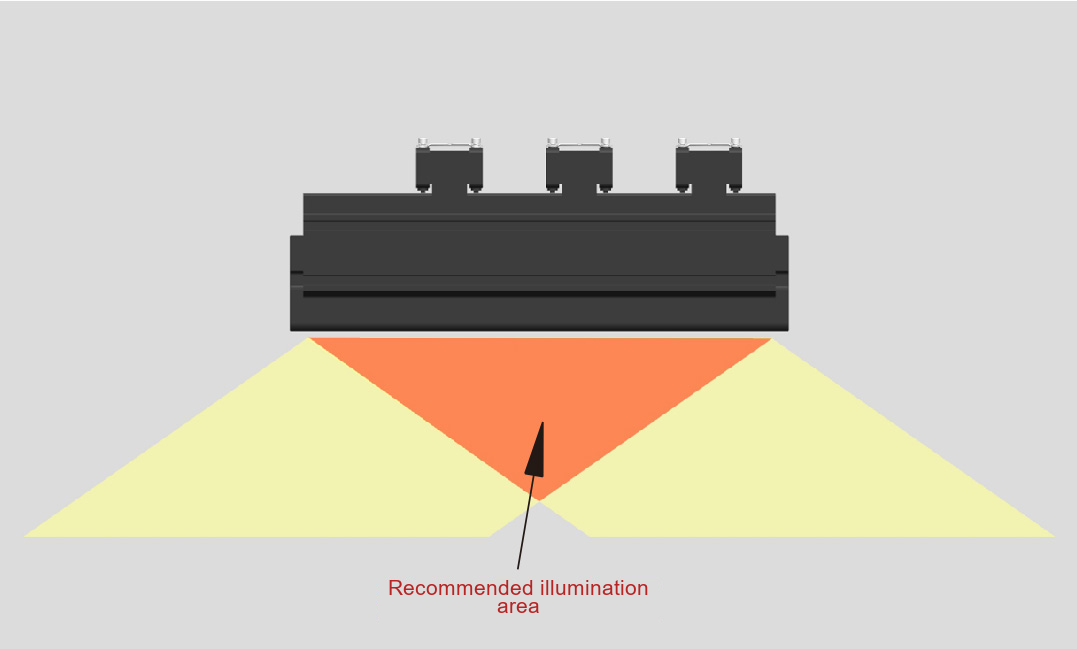
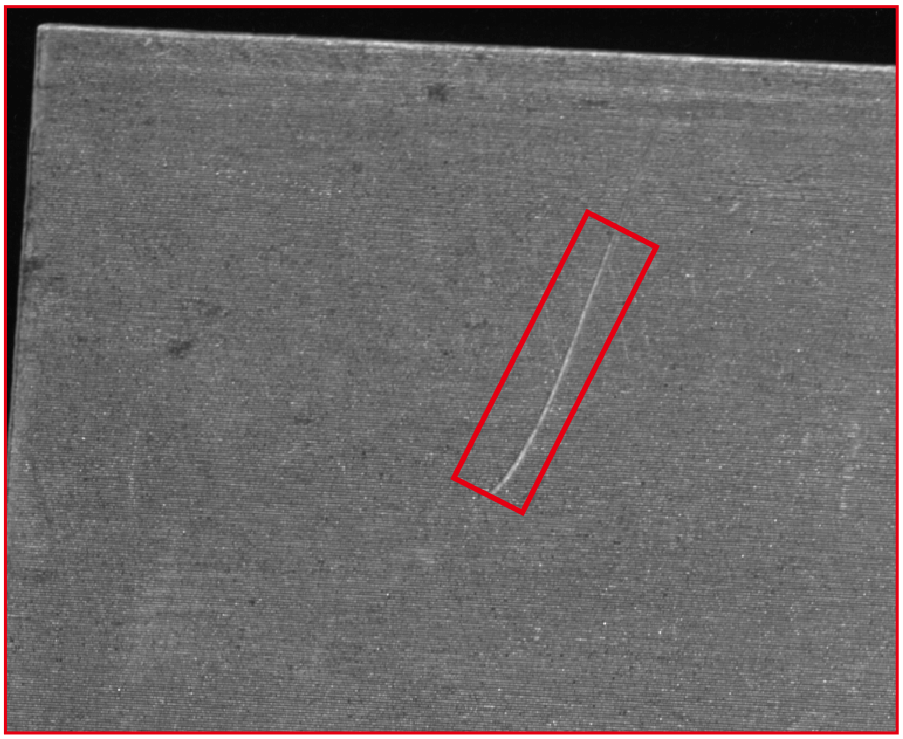
Oblique or low-angle lighting can darken a smooth background while allowing scattered light to reach the camera. Scratch visibility depends on direction, depth and illumination angle. Separate images from several directions may be needed.
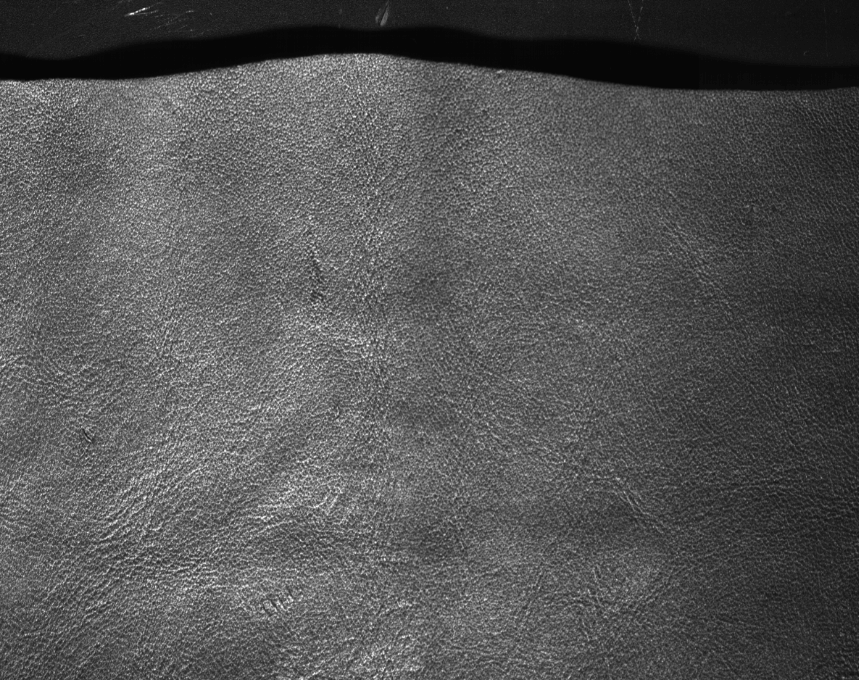
Hold the part fixed and vary the light direction. Compare normal texture with actual defects rather than judging brightness alone. Check shadows, curved-surface highlights and motion blur. Repeat the test at production speed and across the permitted position variation before choosing a layout.
Related product family?
LXV-2LIND
A focused line of light for inspecting surfaces and edges.
Before choosing a configuration?
For selection, specify the field of view, smallest target feature, height variation, cycle time and installation space. Use the specific product page and drawing to verify electrical ratings, dimensions and compatibility.
Changing light direction for longitudinal scratches?
Scratches parallel to travel can disappear when the illumination is poorly oriented to their slopes. Compare light arriving from opposite sides and, where possible, across the scratch direction.
Run known defects through the line at production speed and at different lateral positions. Check that normal texture does not dominate the image. Record the light angle and height so that the contrast can be reproduced after maintenance.
What do the optical setup and sample images show?