
What can I find in the LuxMV article library?
The library contains machine vision lighting notes, selection guidance, inspection application examples, controller integration topics, and company updates.
The guide names the surface and the series. Send the part from that page.

Showing 13-24 of 194 articles, page 2 of 17.
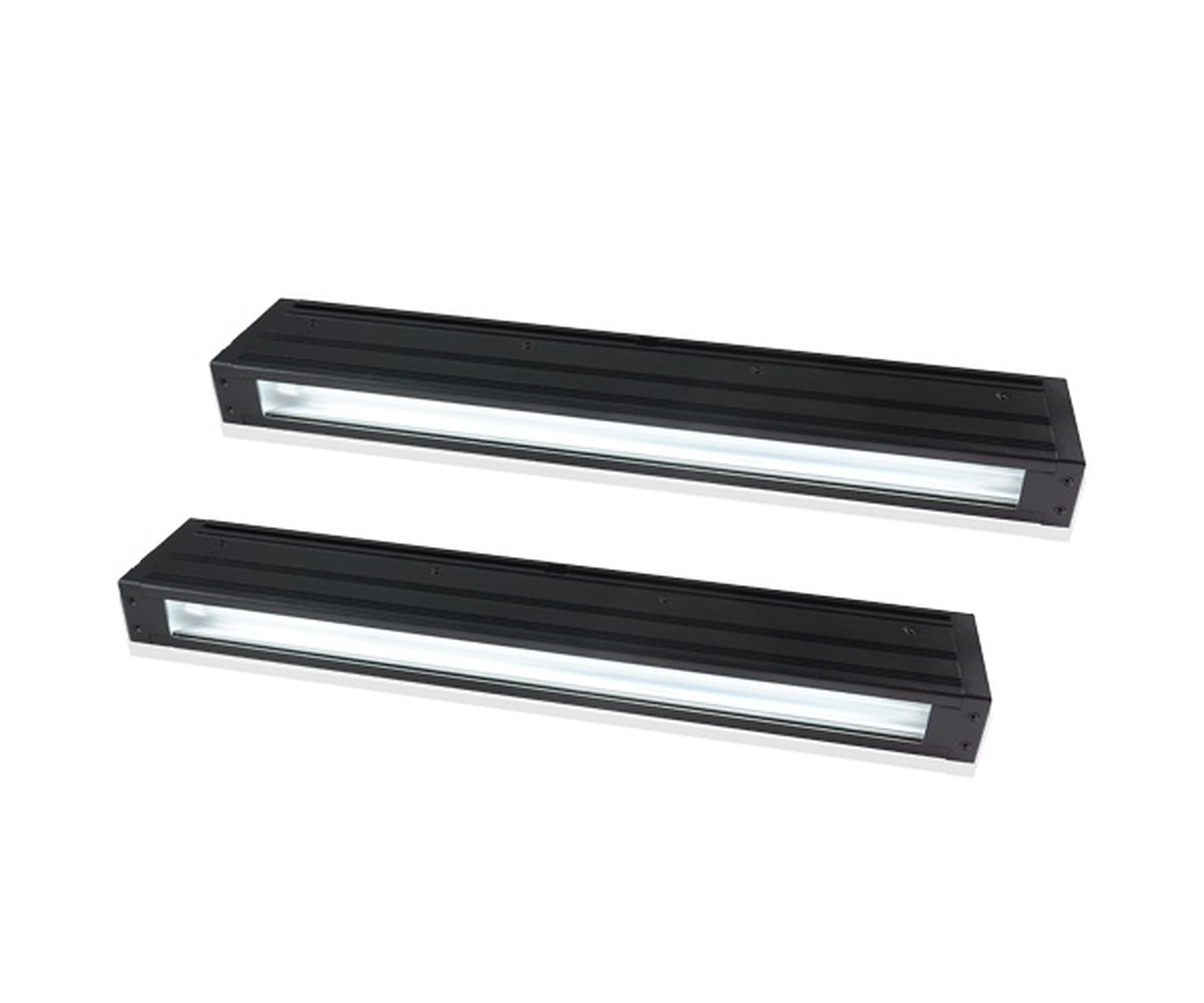
Check useful line length and cable direction first, then verify that the illuminated ends meet the exposure requirement.
Read article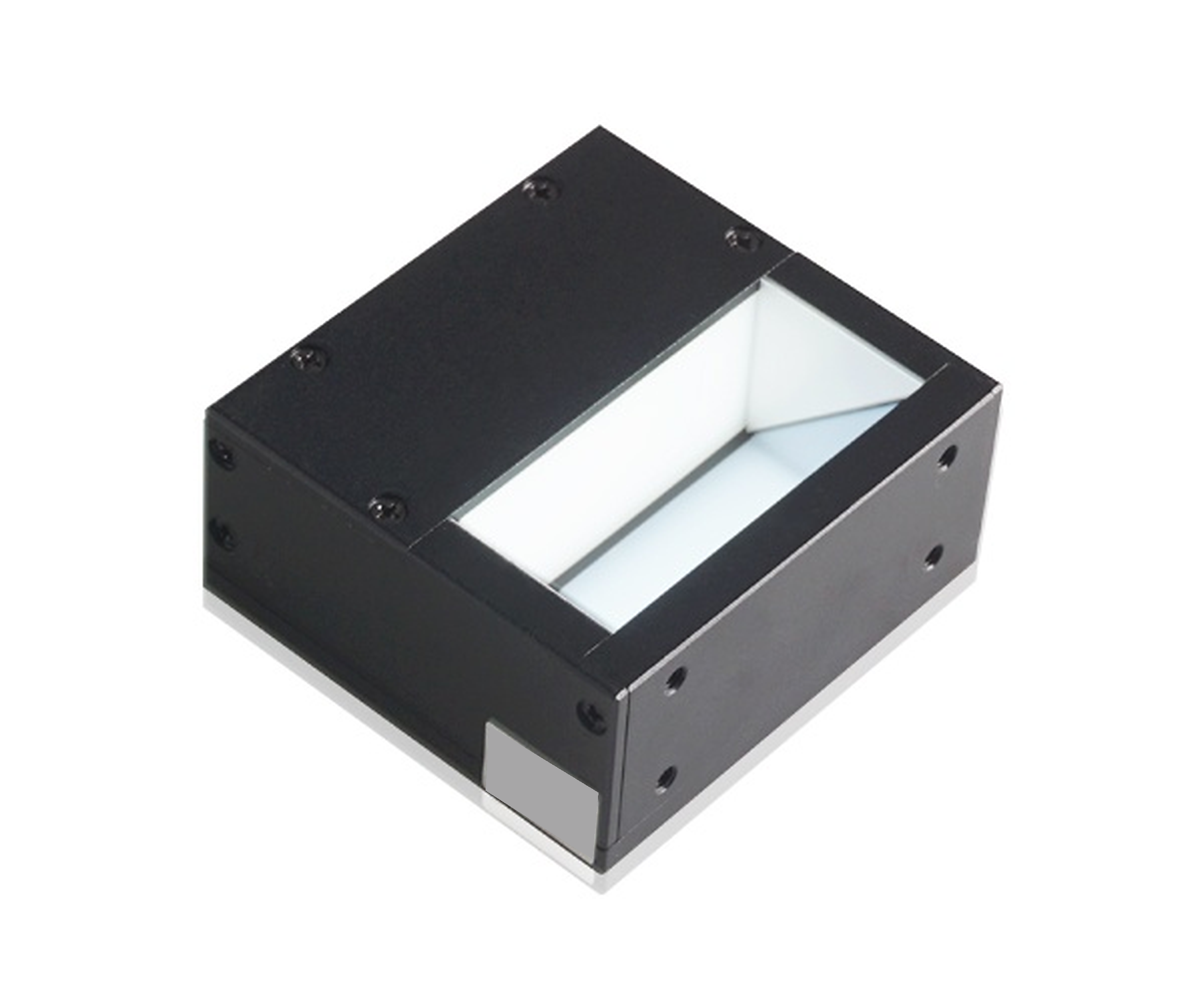
Use separate samples for core edge chips and surface texture. Pay particular attention to curved faces and chamfers.
Read article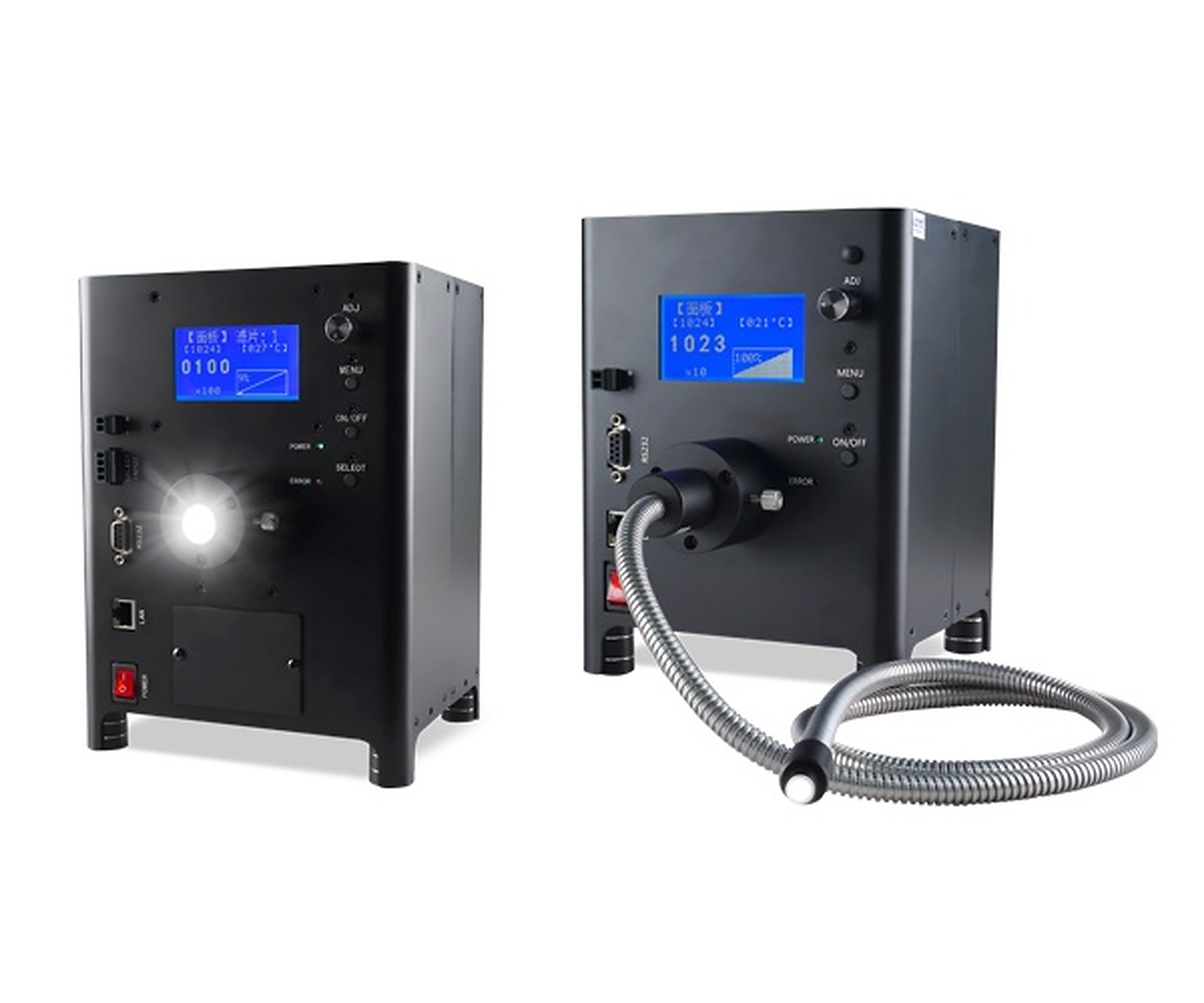
Verify the fibre input, core diameter and output head. Rated source power alone does not predict brightness at the sample.
Read article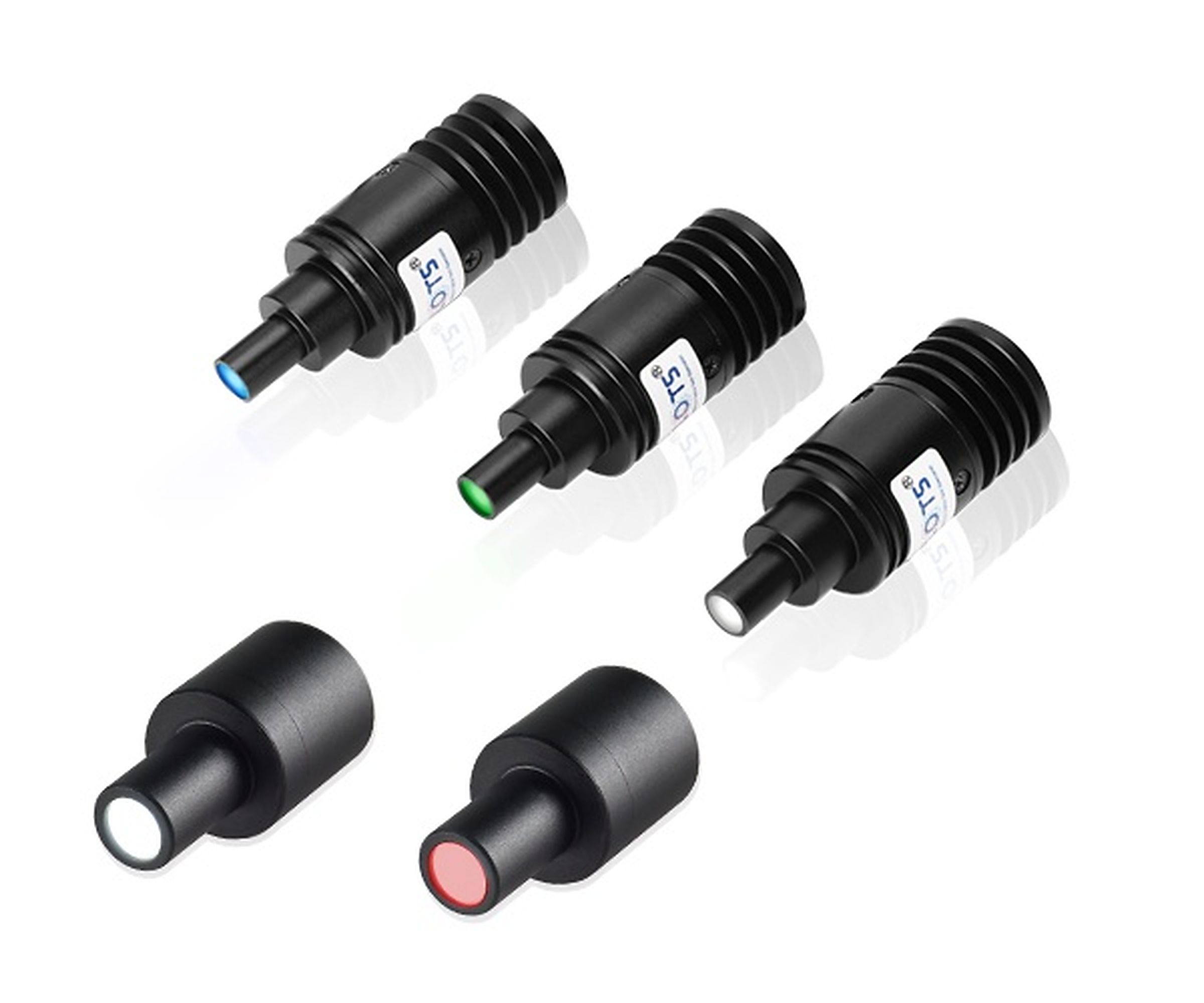
Check the illumination port and axis alignment when coupling a spot light to a coaxial lens. Compare centre and corner images.
Read articleSet exposure from the required cycle time before adjusting output. Also check brightness drift during sustained operation.
Read article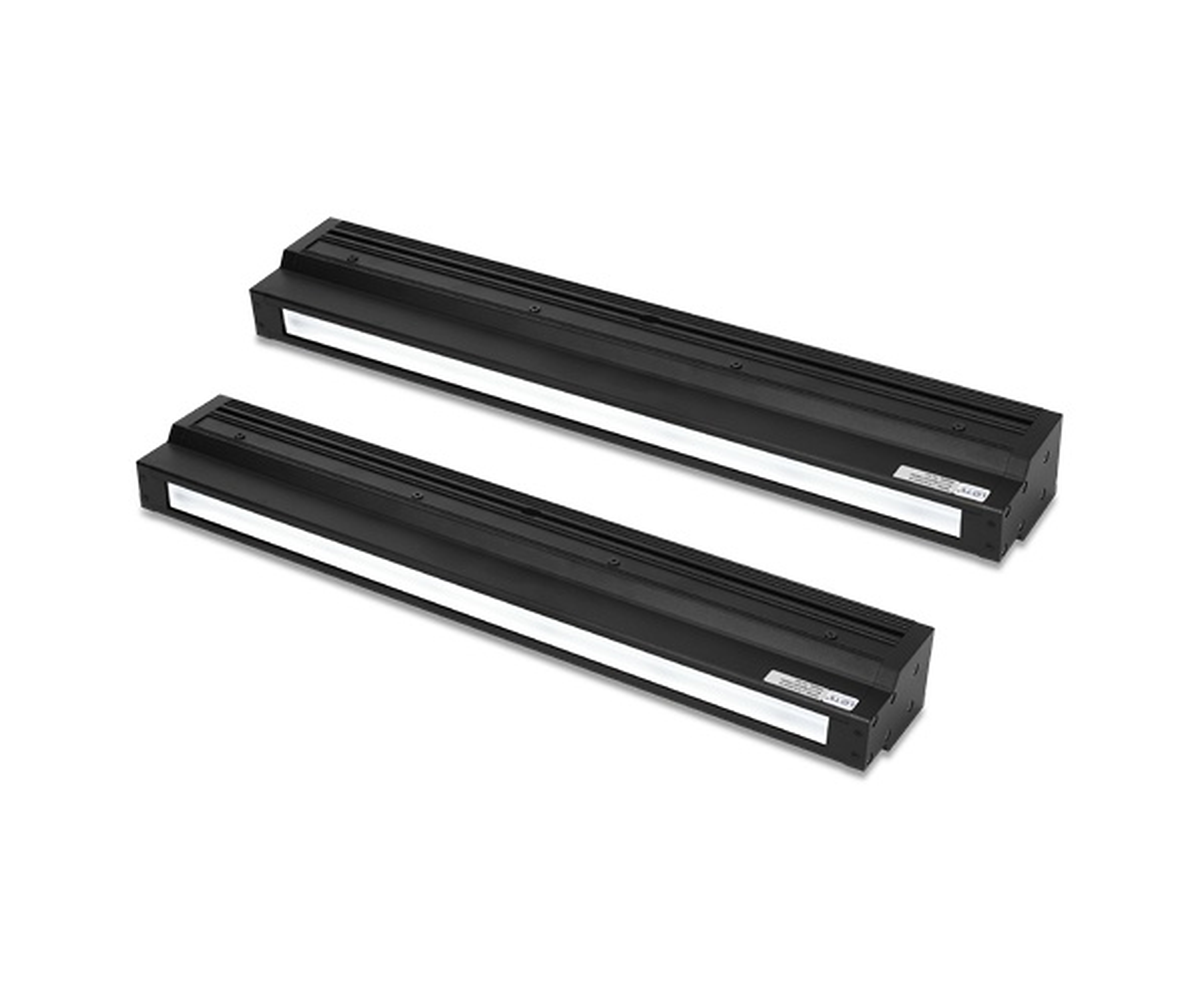
Oblique line light is direction-sensitive. Test parallel, perpendicular and diagonal scratches rather than a single scratch orientation.
Read article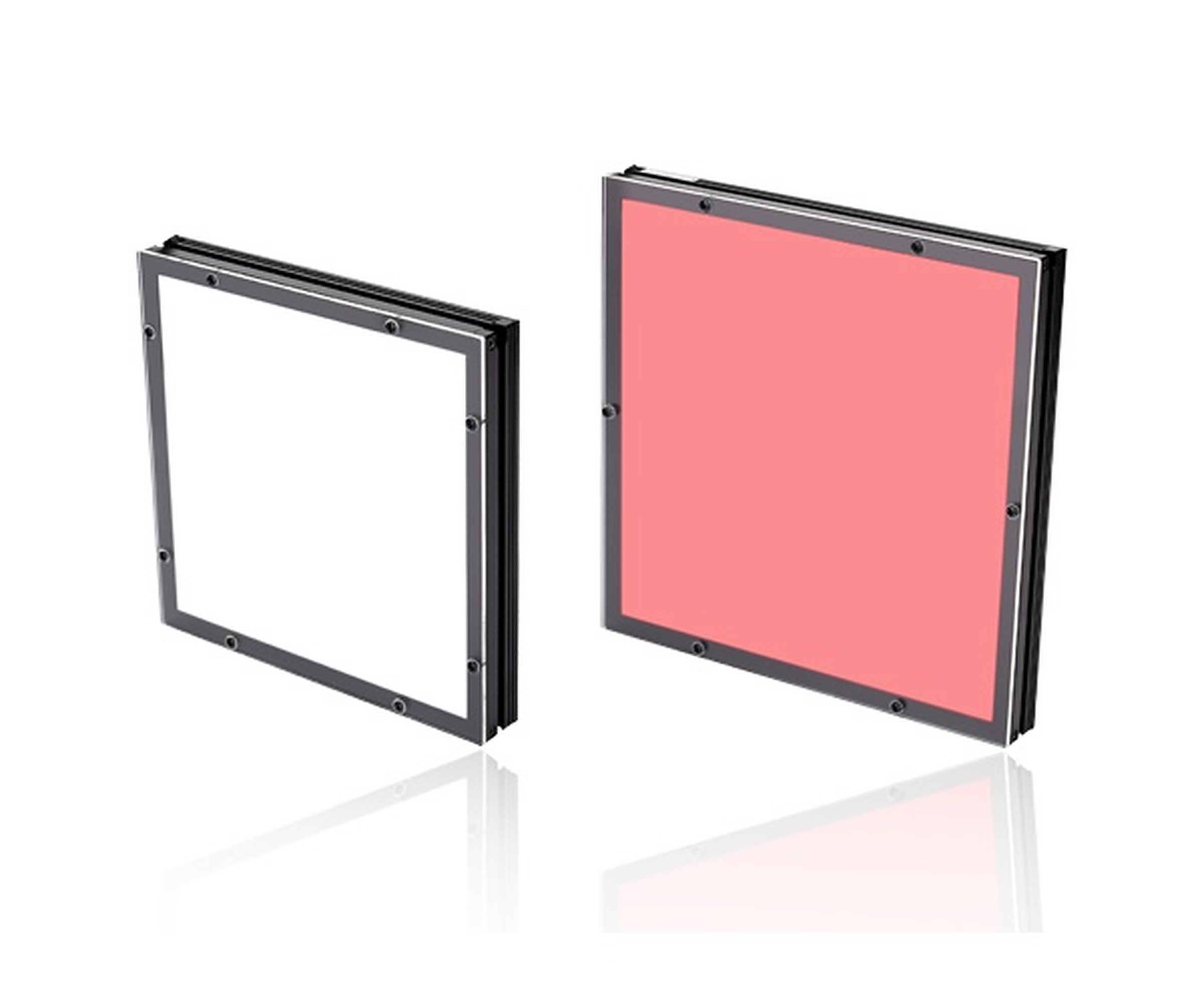
Keep magnification fixed when comparing diffuse and collimated backlights. Record edge transitions and dimensional repeatability.
Read article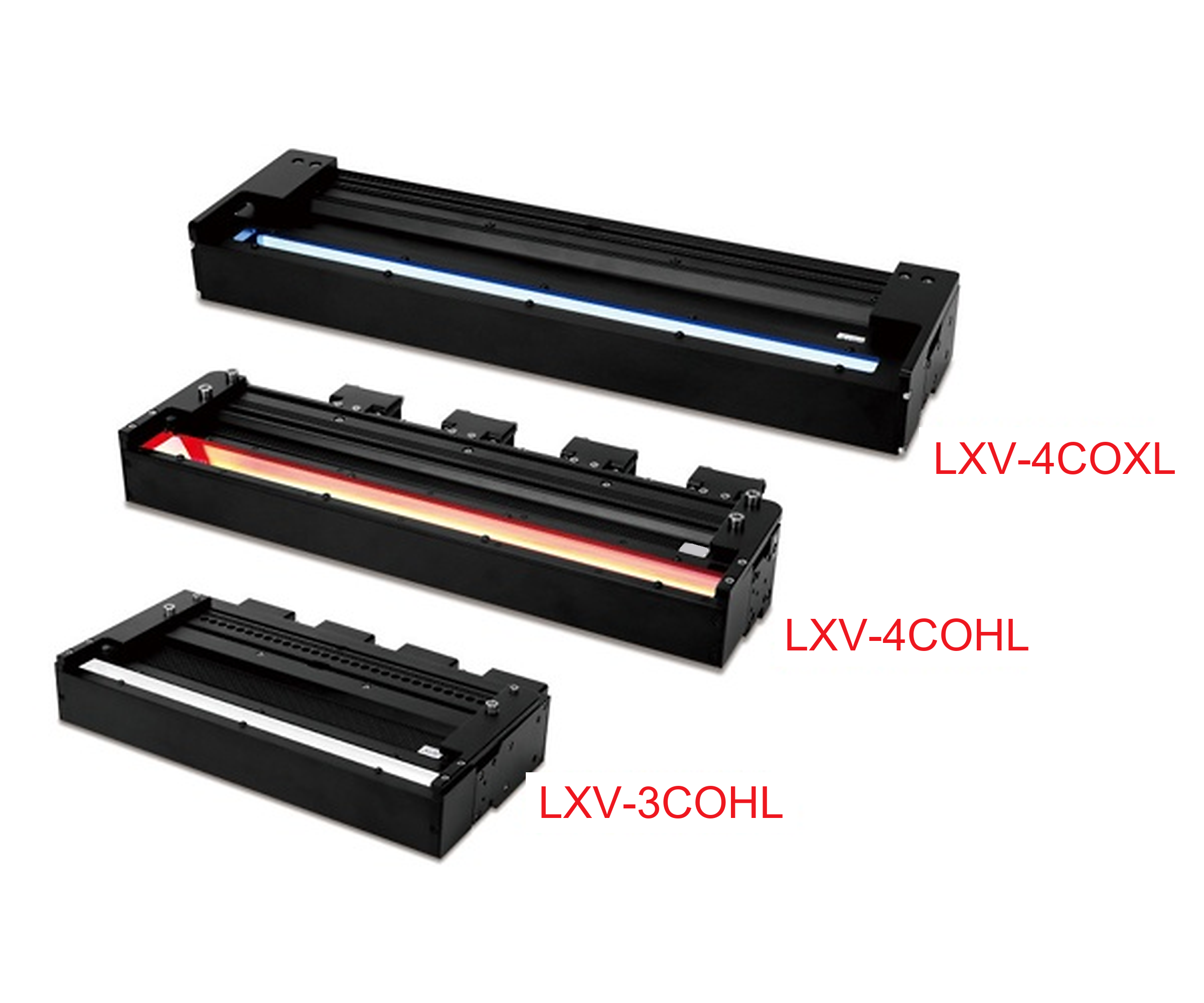
Validate bubbles, particles and traces in each panel layer separately. Focus and wavelength can change which layer is visible.
Read article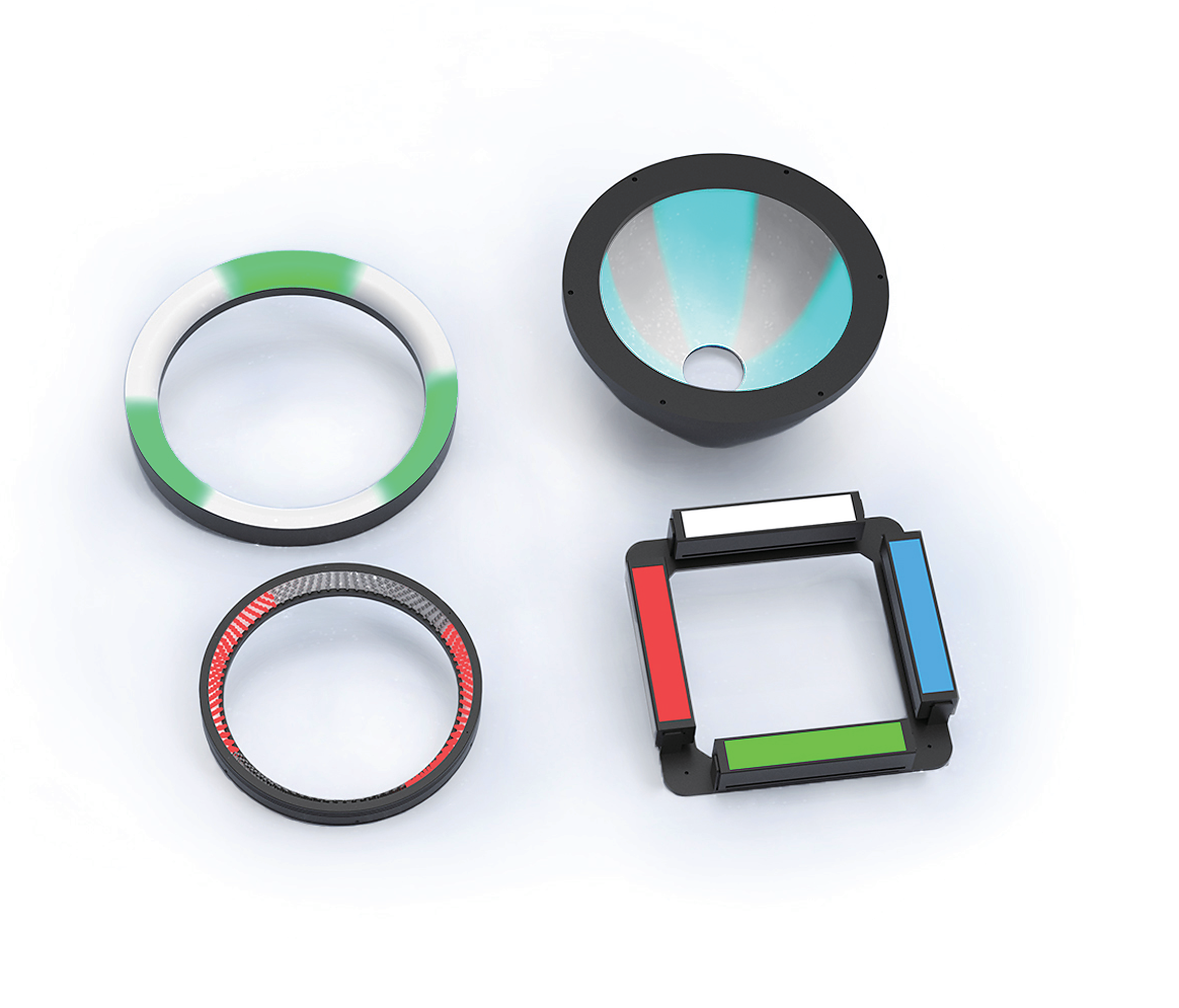
Separate dust, bubbles and adhesive edges before choosing single or combined illumination for display glass and bonding layers.
Read articleAccount for vibration, fibre bend radius and output-head mounting. Reassembly should not unintentionally change the illumination geometry.
Read article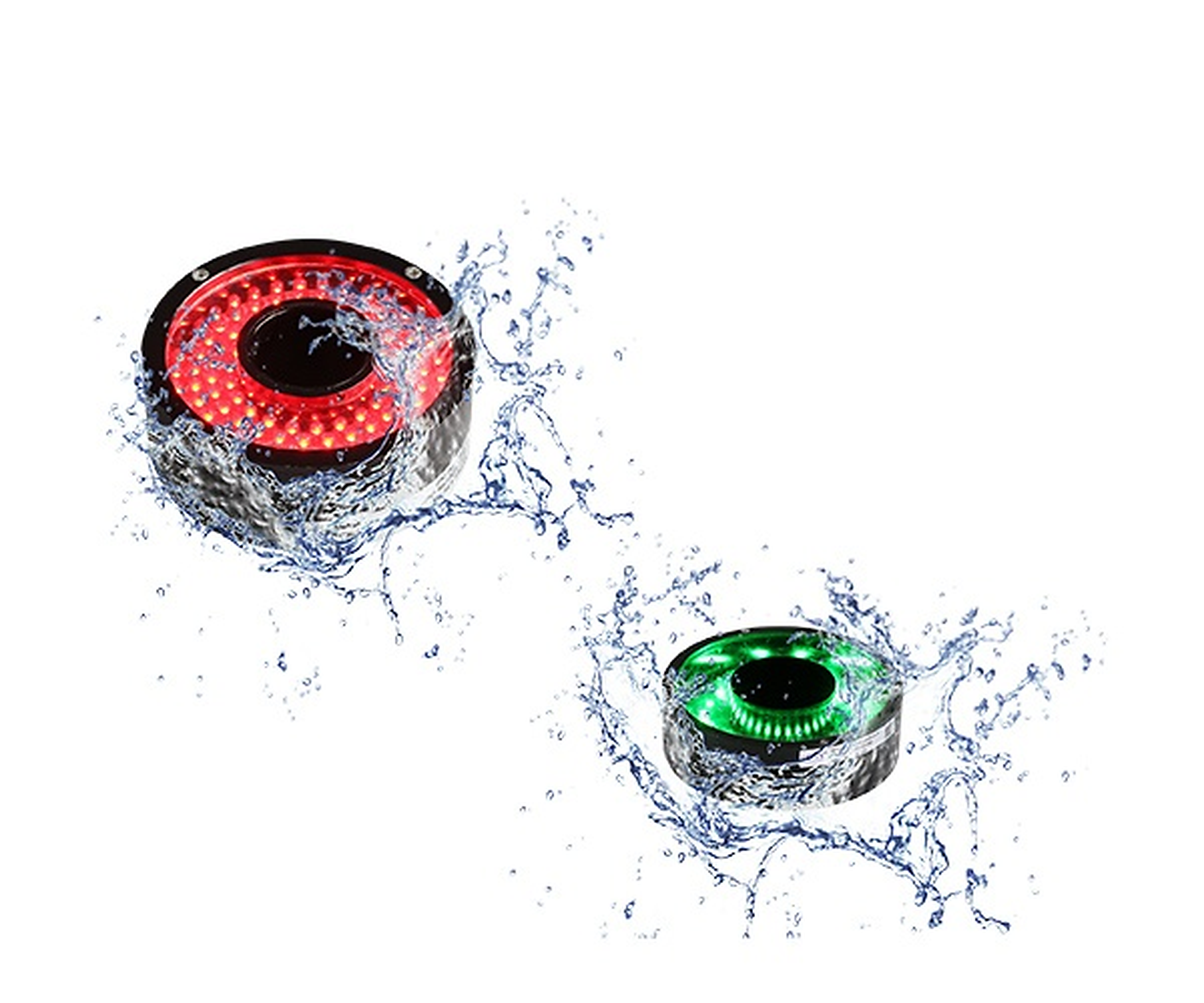
Protection requirements depend on dust, moisture and wiring. Check the complete connected installation, including connectors and cable entries.
Read article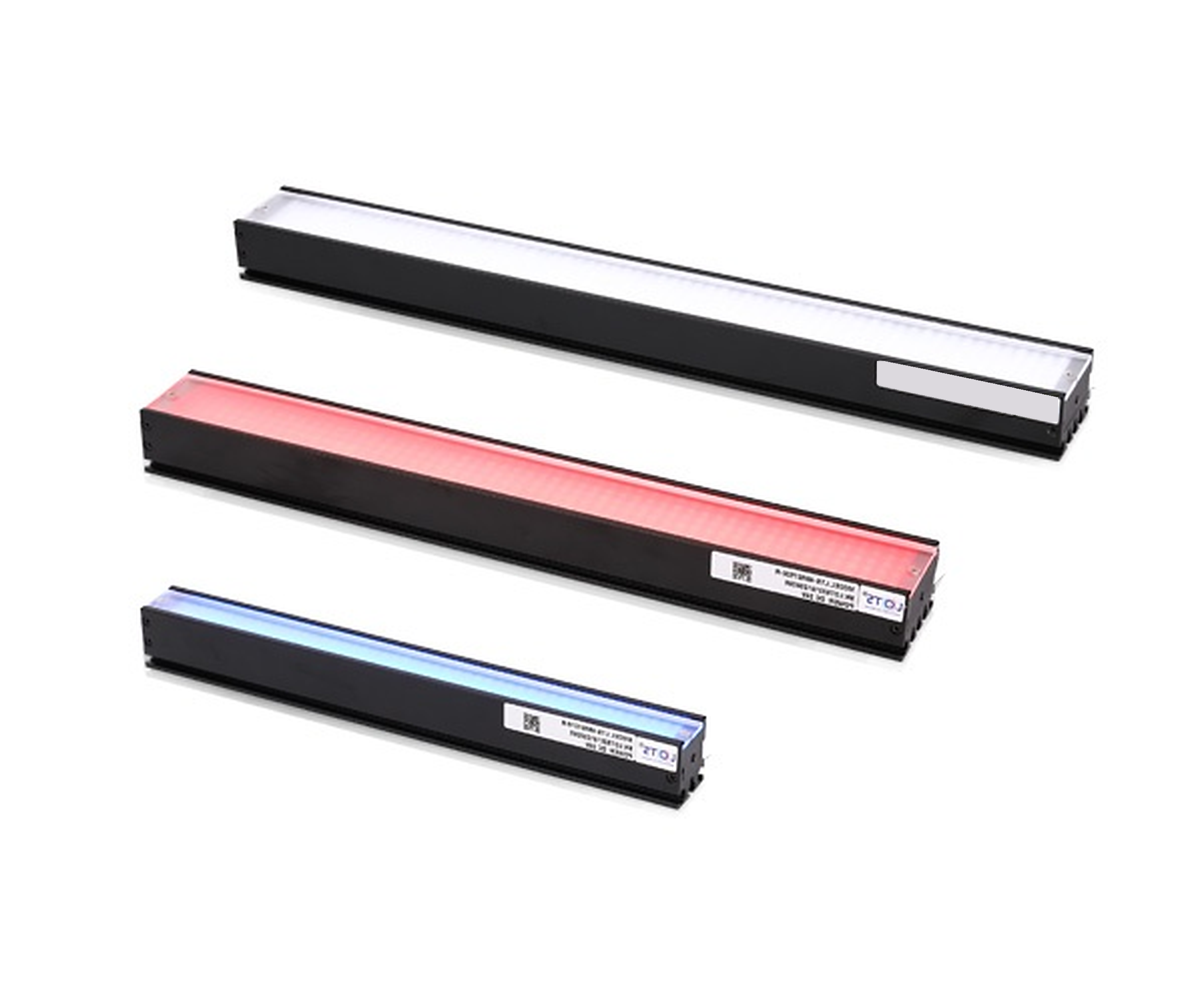
Oil films, machining texture and chamfers can mask hardware defects. Include these normal production variations in validation samples.
Read articleEach topic category targets a specific stage of optical system design. Use the summary table below to locate the right engineering notes.
| Category | Engineering Scope | Articles & Guides |
|---|---|---|
| Machine Vision Lighting | Light geometry, wavelength, diffusion, line-scan, backlight, coaxial, and fiber lighting notes. | 5 |
| Cameras & Lenses | Industrial cameras, lenses, focusing, depth of field, imaging parameters, and optical fundamentals. | 8 |
| Inspection Applications | Defect detection examples for semiconductor, automotive, electronics, packaging, and surface inspection. | 69 |
| Controllers & Integration | Controller modes, trigger timing, system integration, and production-line implementation notes. | 1 |
| Selection Guides | Practical selection methods for lighting, cameras, lenses, accuracy, and machine vision architecture. | 85 |
| Company News | Company updates, product announcements, and editorial news items. | 26 |
The library contains machine vision lighting notes, selection guidance, inspection application examples, controller integration topics, and company updates.
No. Articles provide selection context; final lighting choices work well when compared with the actual workpiece, camera, lens, and production conditions.